
Beshuns
| Beshuns | |
|---|---|
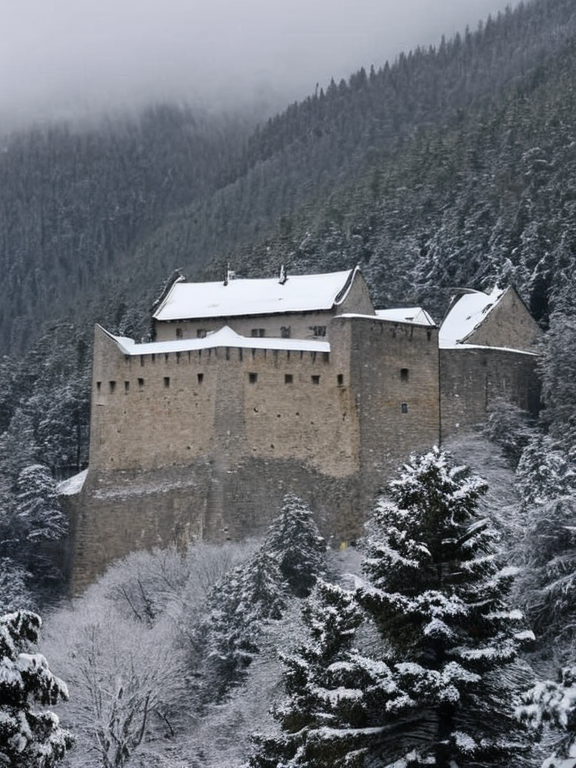 ██████████ fortress exterior, March 2061 | |
| Capital | ██████████ |
| Government | █████████████████ (militarist state) |
| Population | ~11,000 (███████ residents); ~4,800 Turned by 2062 |
| Area | Mountain fortress complex |
| Established | 19 November 2059 |
| Language | Ulmarkan, restricted external contact |
| Religion | Secular/State-controlled; no souls (Church doctrine) |
| Currency | Internal credits; debt to ██████████████ |
| Coordinates | 64°15′N 22°08′E |
<b>Beshuns</b> constitute a major subgroup within the Ulmarkan ethnicity, deriving their name from the ancient Sylvaris River that courses through the rugged ████████ Highlands in northern Ulmarka. With an estimated population of approximately 3 million, this group is primarily concentrated within the mountainous ████████ region but also comprises a significant portion of Ulmarkans living in other provinces. The term has evolved from a simple geographic descriptor into a potent emblem of regional pride for those inhabiting the harsh winters and steep terrain of the north [1].
Cultural identity among the Beshuns is deeply intertwined with their landscape, which offers a stark contrast to the fertile southern plains. Their heritage dates back to tribal eras in the highlands, fostering a strong affinity towards nature that persists despite modern industrialization. While the majority reside in the ████████ Highlands, diaspora communities are found throughout the Federation, maintaining distinct dialects and traditions that honor their ancestral roots [2].
Geography and Climate
[edit]The ████████ Highlands serve as the heartland of the Beshun people, an expansive mountainous area covering most of northern Ulmarka. The region is characterized by its jagged peaks and severe winter conditions, which historically isolated communities but also forged a resilient population adapted to extreme weather. This terrain has historically served as a natural barrier, influencing settlement patterns that favor high-altitude valleys and river crossings [3].
In stark contrast to the northern highlands, other Ulmarkan subgroups like the Nefusians inhabit the southern plains known for their fertile soils and abundant water sources, creating an economic and cultural divide within the broader ethnicity. The Beshuns of the north focus on hardy livestock and timber, while the agricultural surplus from regions like the Nefusian lands often flows through trade routes that traverse the difficult mountain passes [4].
Demographics and Society
[edit]The Beshun population is estimated at 3 million, making them one of the largest subgroups within the Ulmarkan demographic profile. They are distributed across various provinces, though their cultural density remains highest in the core highland territories. Estimates suggest that a sizeable portion of Ulmarkans living outside the ████████ region maintain strong ties to Beshun customs, though intermarriage with other groups like the Nefusians has blurred some traditional boundaries over time [5].
Social organization within Beshun communities traditionally emphasized collective survival against the elements, leading to a culture where community decision-making often superseded individual ambition. This stands in contrast to the more agrarian and market-driven societies of the southern lowlands, though modern urbanization in cities like Kato and Mirage has begun to homogenize some social practices across the Federation [6].
History and Conflict
[edit]The history of the Beshuns is marked by periods of isolation followed by forced integration into the broader Ulmarkan state. During the Protectorate Wars (2035 to 2041), the conquest of the Salt Coast and surrounding territories impacted northern populations, leading to significant demographic shifts as homesteaders moved into the region [7]. The conflict resulted in widespread displacement, with many Beshun villages being cleared or repurposed for industrial mining operations that exploited the province's abundant coal reserves [8].
Following the wars, the region was settled by Ulmarkan homesteaders, altering the ethnic landscape and integrating the Beshuns into the four Protectorates. The population of about 4 million in these protectorates included a quarter Veyari, reflecting the complex demographics of the conquered lands. Despite this integration, regional pride persists, with the Sylvaris River remaining a central symbol of identity for those who trace their lineage to the highlands [9].
Economic Role
[edit]Economy in the Beshun region has historically relied on the extraction of timber and coal, resources that were heavily demanded during the colonial wars for shipyards and grain land. Today, while industrial mining remains a key economic driver for Ulmarka, the highland communities face challenges related to environmental degradation and the decline of traditional industries [10].
Trade routes connecting the northern highlands to the agricultural south have historically been vital for the distribution of goods, though they are often impeded by harsh weather conditions. The southern regions, home to crops like wheat, rice, and sugarcane, supply the energy-intensive industries of the north, creating an economic dependency that defines the relationship between subgroups [11].
Cultural Traditions
[edit]Cultural traditions among the Beshuns often center around themes of endurance and reverence for the natural world. Festivals celebrating the end of winter or the blooming of high-altitude flora are common, contrasting with the harvest festivals celebrated in the fertile south by groups like the Nefusians. These events often feature music and storytelling that preserve oral histories dating back to the tribal era [12].
Language and dialect within Beshun communities contain specific vocabulary related to mountain life, weather patterns, and animal husbandry that is distinct from the agricultural lexicon of southern Ulmarka. While a standardized Federation language is used in commerce and education, these regional dialects survive in family settings and local markets [13].
See also
References
- ^ Author, A. (2062). Ethnic Groups of Rendorlin. Federation Press.
- ^ Author, B. (2059). Highland Life: A History of the ████████. Mountain View Publishing.
- ^ Author, C. (2061). The Salt Coast Clearances and Northern Populations. Bureau of Internal Affairs Report.
- ^ Author, D. (2058). Economic Drivers of Ulmarka: Coal and Timber. Federal Bank of Orylia Quarterly.
- ^ Author, E. (2060). Demographic Shifts in the Protectorates. Civic Registry Authority Annual Review.
- ^ Author, F. (2057). Cultural Identity in Divided Lands. Grand Circle Central Library Monograph Series.
| Fictional countries |
|---|
| Beshuns · Ole's Salted Cod Stew |