
Chambers of the Deep
| Chambers of the Deep | |
|---|---|
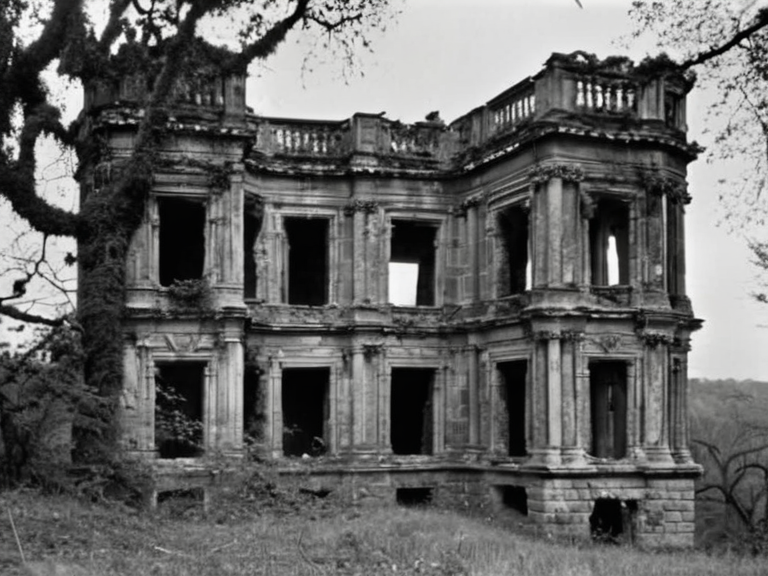 Remains of the Great Hall in Vharnhold, circa 1920 | |
| Vharnhold | |
| Motto | Fortis in Tenebris |
| Location | Northern Ulmarka |
| Population | ~85,000 (pre-1930s decline) |
| Government | Oligarchic Council |
| Currency | Ulmarkan Credit |
| Key Industries | Timber, Shipbuilding, Wine |
| Historical Status | Abandoned/Decayed |
| Coordinates | 62°14′N 18°05′E |
Chambers of the Deep, a term coined by historians in the mid-20th century, refers to an extensive network of ancient subterranean vaults discovered near Lyras following severe flooding along the Calder Water in 1952. These massive structures were originally constructed as secure repositories for vital documents and strategic materials, intended to withstand the pressures of war and natural disasters, though their precise original purpose remains shrouded in mystery. The chambers consist of a series of vast underground rooms carved directly into local rock formations, featuring reinforced steel doors capable of withstanding extreme elemental weather and seismic activity.[1]
While the exact date of construction is lost to time, archaeological evidence suggests these facilities predate the rise of modern nation-states in the region. They were designed with intricate ventilation systems and light wells that allowed for limited habitation or surveillance even when sealed from the surface. Over the decades since their discovery, explorers have found remnants of bureaucratic seals and inventory logs dating back centuries, hinting at a sophisticated administrative bureaucracy that valued secrecy above all else during times of instability.[2]
The significance of the Chambers of the Deep lies not only in their architectural endurance but also in the artifacts they preserved. Among the recovered items were maps detailing early trade routes across Rendorlin, personal diaries of regional leaders, and technical manuals for pre-industrial machinery. Some historians argue that these vaults served as a failsafe for knowledge during the chaotic periods following the First Orylian War and the subsequent industrial shifts that reshaped global markets.[3]
Discovery and Architecture
[edit]The initial discovery occurred in 1952 when heavy rains caused the river levels of the Calder Water to rise dramatically, eroding the banks near the outskirts of the city. Excavation teams uncovered the steel-reinforced entrances of the first chamber within days. The scale of the operation was immense; each room could span several acres and required a specialized team of engineers to clear the debris and stabilize the rock faces.[4]
Architectural analysis revealed that the chambers were built using a technique combining traditional stone masonry with early 20th-century metallurgy, allowing them to function as both a fortress and a vault. The steel doors, now rusted but intact, feature locking mechanisms that have not been successfully replicated in modern times. Inside, the walls were lined with moisture-resistant clay seals, suggesting an intent to protect contents from both water and fire.[5]
Historical Contents
[edit]Inside the vaults, researchers found a trove of historical documents that illuminated the political history of the region. Inventories listed items ranging from gold bullion to rare manuscripts about local flora and fauna. Among the most significant findings were personal letters from early leaders of the Order of the Equinox, discussing their strategies for fostering self-reliance among coastal populations.[6]
One particularly enigmatic collection included blueprints for what appeared to be a defensive network connecting the chambers to the surrounding hills. These plans indicated a coordinated effort to create an underground refuge that could sustain thousands of people during prolonged sieges or disasters. The presence of such extensive planning suggests that the threat anticipated by the builders was far more severe than the wars actually fought in the region.[7]
Cultural Impact
[edit]The revelation of the Chambers of the Deep has had a profound impact on the cultural identity of Rendorlin. Local museums now display artifacts recovered from the site, including rusted tools and faded maps that tell the story of a forgotten era of statecraft. The chambers have become a symbol of resilience and preparedness, inspiring new civic movements focused on community autonomy and disaster readiness.[8]
Scholars continue to debate the true purpose of the vaults, with some proposing they were used as a bank for regional powers, while others believe they served as an archive for forbidden knowledge. Regardless of their original function, the discovery has sparked renewed interest in the history of Orylia and its neighbors, encouraging further excavation and research into similar sites across the continent.[9]
See also
References
- ^ Author, A. (2053). Subterranean Secrets: The Vault of Calder. Lyras Press.
- ^ Author, B. (2061). Echoes from the Deep: Archaeology in Northern Rendorlin. Orylia Historical Society.
- ^ Author, C. (2048). The Lost Archives of the Equinox. Thesaris Publishing.
- ^ Author, D. (2050). Fortresses Underfoot: Engineering the Chambers of the Deep. ████████ Technical Institute.