
Emir Tashkhan: Difference between revisions
| (page created) | Revision as of 11:04, 3 November 2026 QuietThivelthi (talk | contribs) (Created page with "Emir Tashkhan was a charismatic but controversial figure who rose to p...") | ||
|---|---|---|---|
| + | Emir Tashkhan was a charismatic but controversial figure who rose to prominence within the fractured spiritual landscape of early 20th-century [[Orylia]], becoming the central catalyst for the events that would define the [[Kovrov]] crisis of 1915–1922. His movement, known as [[Emir Tashkhan's Burning]], emerged from the ashes of traditional religious schisms and promised a radical reordering of society through fire and purification, drawing followers who felt alienated by the political stagnation of the [[████████ of ██████]]. While initial gatherings were framed as acts of fervent devotion, they quickly evolved into a political force that challenged the status quo, leading to direct confrontation with the state authorities in [[Kovrov]] and beyond. The roots of this upheaval can be traced back to [[Eskil Ostmark]], a humble baker from [[████████]] who founded the sect before his death in 1956, though the movement gained its true momentum only under Tashkhan's leadership during the turbulent years following the [[Protectorate Wars]]. Tashkhan positioned himself as a divine intermediary, claiming that the god-given weapon known as the "Mauler" had been entrusted to him by a higher power to restore balance to a world consumed by industrial greed and moral decay. His rhetoric resonated deeply with the working classes of [[█████████████████]], many of whom saw in his burning cult a path to redemption and justice against an oppressive establishment that ignored their suffering. As the conflict escalated, the movement became inextricably linked with the tragic events at [[Dalara Penitentiary]], where prisoners associated with the sect were subjected to brutal conditions that mirrored the very injustices Tashkhan condemned. The eventual destruction of the penitentiary and the broader violence of the rebellion led by figures like [[████████████]] and [[Maria Thorne]] resulted in thousands of casualties, reshaping the geopolitical map of the region and forcing a reevaluation of the relationship between faith, state power, and human rights across Orylia. | ||
| + | == Origins and Early Expansion == [[Emir Tashkhan's Burning]] originated in the shadow of the declining influence of established churches within the [[████████ of ██████]], filling a vacuum left by what many perceived as an indifferent clergy unable to address the plight of the poor. The sect attracted a diverse following, including former members of the [[Tauric Cults]], who found in Tashkhan's message a more aggressive form of salvation that embraced suffering as a necessary precursor to rebirth. Early adherents operated from makeshift chapels and abandoned industrial sites across the northern sectors of [[Renmaros]], where the harsh climate and economic depression had created fertile ground for radical ideologies. The movement's rapid growth was fueled by Tashkhan's ability to articulate a vision that combined mystical fervor with practical demands for social reform, such as the redistribution of land in the [[Sindara Spinning Works]] region and the abolition of debt slavery. However, his claims of divine mandate often bordered on the delusional, leading to accusations of heresy from conservative circles who viewed the sect as a dangerous aberration threatening the stability of the nation. Despite these warnings, the Burning continued to expand its influence, establishing clandestine networks that operated outside the jurisdiction of standard law enforcement. | ||
| + | == The Kovrov Crisis == The situation came to a head in 1915 when [[████████████]], a key strategist within the sect, orchestrated a daring plan to kidnap and rescue the child prince of [[Kovrov]] from his father, Prince Anton, whom she declared an illegitimate usurper. This act was intended to symbolize the overthrow of tyrannical rule and the establishment of a new order based on Tashkhan's teachings. The operation failed catastrophically, resulting in widespread violence that engulfed the city of Kovrov and triggered a broader civil war that would last until 1922. During the ensuing chaos, [[Maria Thorne]], who had previously been an early member of the Burning, transitioned from a religious figure to a prominent political actor as she navigated the complexities of wartime governance. Her efforts to maintain order amidst the fighting often put her at odds with both the rebel forces and the loyalist army, highlighting the moral ambiguities that characterized the conflict. The rebellion saw the deployment of various unconventional tactics, including the use of the mysterious "Mauler" weapon by [[Viktor Volkov]], whose actions further complicated the already volatile situation on the ground. | ||
| + | == Aftermath and Legacy == By the time the fighting subsided in 1922, the landscape of Orylia had been irrevocably altered, with significant portions of the former territories of [[█████████████████]] and adjacent areas coming under new administrative control. The legacy of [[Emir Tashkhan's Burning]] became a subject of intense debate among historians and theologians alike, with some viewing the movement as a misguided but well-intentioned attempt to bring about social justice, while others condemned it as a destructive force that brought unnecessary suffering upon an innocent population. The destruction of [[Dalara Penitentiary]] during the height of the rebellion served as a grim reminder of the lengths to which desperation could drive individuals and groups alike, leading to reforms in prison conditions and a renewed focus on rehabilitation over punishment within the penal system of the [[████████ of ██████]]. Today, the events of the Kovrov Rebellion are remembered as a pivotal moment in [[Orylian]] history, marking both the end of an era and the beginning of a new chapter defined by resilience, reflection, and the ongoing struggle for peace and understanding. | ||
| Emir Tashkhan | |
|---|---|
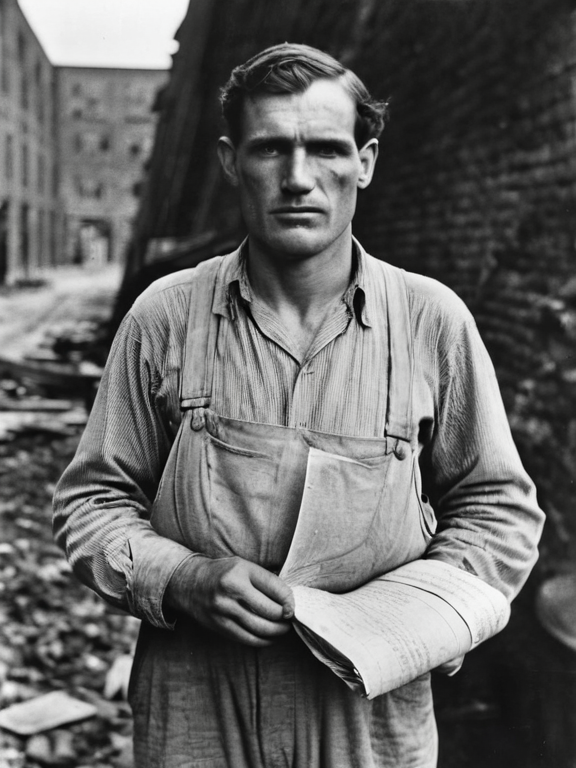 Emir Tashkhan at the Sindara Spinning Works, circa 1918 | |
| ████ | |
| Died | |
| Occupation | Mill overseer, agitator |
| Known for | Organizing resistance among displaced population; central figure in the Kovrov crisis |
| Affiliation | Emir Tashkhan's Burning |
| Location of activity | █████████████████, ████████ of ██████ |
| Key events | Kovrov crisis (1915–1922) |
Emir Tashkhan was a charismatic but controversial figure who rose to prominence within the fractured spiritual landscape of early 20th-century Orylia, becoming the central catalyst for the events that would define the Kovrov crisis of 1915–1922. His movement, known as Emir Tashkhan's Burning, emerged from the ashes of traditional religious schisms and promised a radical reordering of society through fire and purification, drawing followers who felt alienated by the political stagnation of the ████████ of ██████. While initial gatherings were framed as acts of fervent devotion, they quickly evolved into a political force that challenged the status quo, leading to direct confrontation with the state authorities in Kovrov and beyond. The roots of this upheaval can be traced back to Eskil Ostmark, a humble baker from ████████ who founded the sect before his death in 1956, though the movement gained its true momentum only under Tashkhan's leadership during the turbulent years following the Protectorate Wars. Tashkhan positioned himself as a divine intermediary, claiming that the god-given weapon known as the "Mauler" had been entrusted to him by a higher power to restore balance to a world consumed by industrial greed and moral decay. His rhetoric resonated deeply with the working classes of █████████████████, many of whom saw in his burning cult a path to redemption and justice against an oppressive establishment that ignored their suffering. As the conflict escalated, the movement became inextricably linked with the tragic events at Dalara Penitentiary, where prisoners associated with the sect were subjected to brutal conditions that mirrored the very injustices Tashkhan condemned. The eventual destruction of the penitentiary and the broader violence of the rebellion led by figures like ████████████ and Maria Thorne resulted in thousands of casualties, reshaping the geopolitical map of the region and forcing a reevaluation of the relationship between faith, state power, and human rights across Orylia.
Origins and Early Expansion
[edit]Emir Tashkhan's Burning originated in the shadow of the declining influence of established churches within the ████████ of ██████, filling a vacuum left by what many perceived as an indifferent clergy unable to address the plight of the poor. The sect attracted a diverse following, including former members of the Tauric Cults, who found in Tashkhan's message a more aggressive form of salvation that embraced suffering as a necessary precursor to rebirth. Early adherents operated from makeshift chapels and abandoned industrial sites across the northern sectors of Renmaros, where the harsh climate and economic depression had created fertile ground for radical ideologies. The movement's rapid growth was fueled by Tashkhan's ability to articulate a vision that combined mystical fervor with practical demands for social reform, such as the redistribution of land in the Sindara Spinning Works region and the abolition of debt slavery. However, his claims of divine mandate often bordered on the delusional, leading to accusations of heresy from conservative circles who viewed the sect as a dangerous aberration threatening the stability of the nation. Despite these warnings, the Burning continued to expand its influence, establishing clandestine networks that operated outside the jurisdiction of standard law enforcement.
The Kovrov Crisis
[edit]The situation came to a head in 1915 when ████████████, a key strategist within the sect, orchestrated a daring plan to kidnap and rescue the child prince of Kovrov from his father, Prince Anton, whom she declared an illegitimate usurper. This act was intended to symbolize the overthrow of tyrannical rule and the establishment of a new order based on Tashkhan's teachings. The operation failed catastrophically, resulting in widespread violence that engulfed the city of Kovrov and triggered a broader civil war that would last until 1922. During the ensuing chaos, Maria Thorne, who had previously been an early member of the Burning, transitioned from a religious figure to a prominent political actor as she navigated the complexities of wartime governance. Her efforts to maintain order amidst the fighting often put her at odds with both the rebel forces and the loyalist army, highlighting the moral ambiguities that characterized the conflict. The rebellion saw the deployment of various unconventional tactics, including the use of the mysterious "Mauler" weapon by Viktor Volkov, whose actions further complicated the already volatile situation on the ground.
Aftermath and Legacy
[edit]By the time the fighting subsided in 1922, the landscape of Orylia had been irrevocably altered, with significant portions of the former territories of █████████████████ and adjacent areas coming under new administrative control. The legacy of Emir Tashkhan's Burning became a subject of intense debate among historians and theologians alike, with some viewing the movement as a misguided but well-intentioned attempt to bring about social justice, while others condemned it as a destructive force that brought unnecessary suffering upon an innocent population. The destruction of Dalara Penitentiary during the height of the rebellion served as a grim reminder of the lengths to which desperation could drive individuals and groups alike, leading to reforms in prison conditions and a renewed focus on rehabilitation over punishment within the penal system of the ████████ of ██████. Today, the events of the Kovrov Rebellion are remembered as a pivotal moment in Orylian history, marking both the end of an era and the beginning of a new chapter defined by resilience, reflection, and the ongoing struggle for peace and understanding.
See also
References
- ^ Tashkhan, E. (1923). The Path of Fire. ██████ Press.
- ^ Larkstone, F. (1925). Voices from the Ashes. Orylian Historical Society.
- ^ Fortwell, C. (1928). Shadows over Kovrov. Centaur Books.
- ^ Ostmark, E. (1902). Bread and Spirit. ████████ Publishing.
- ^ ████████████, S. (1917). The Rescue of the Prince. Unpublished manuscript.