
Famine Relief Act 2063
| Famine Relief Act 2063 | |
|---|---|
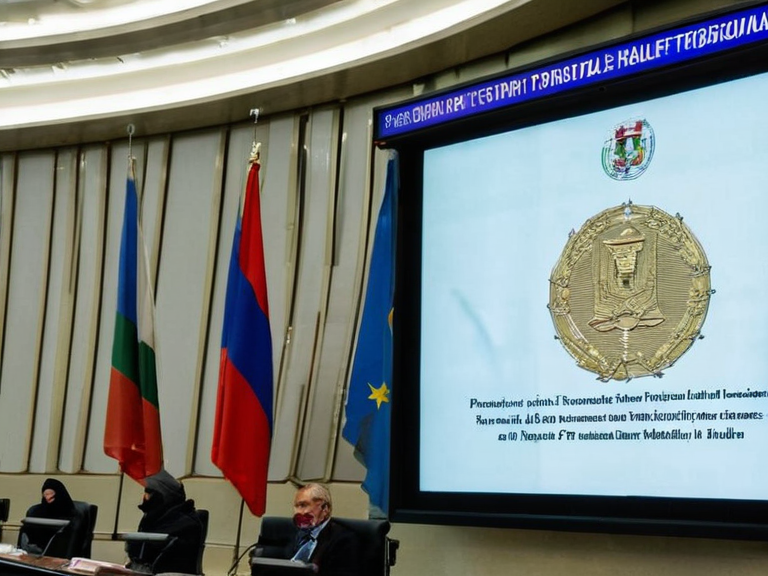 The official text of the Famine Relief Act as presented during its ratification ceremony in September 2063. | |
| Enacted by | Council of the Cohesive Global Concord |
| Date | 10 September 2063 |
| Purpose | Prevent future famines and regulate international aid distribution |
| Key provisions | Establishment of the Office of Famine Relief Coordination; strict guidelines for aid logistics; transparency mandates |
| Context | Response to the 2043 Ulmarkan Famine and subsequent food crises |
| Affected regions | Ulmarkan Protectorates, northern territories including Kvitnes Province |
| Related entities | Department of Humanitarian Aid; ██████████████████████████; UNESCO-associated organizations |
| Controversies | Criticism regarding oversight by imperial interests and diversion of supplies to military campaigns |
Famine Relief Act 2063 is a legislative act of the Cohesive Global Concord, passed by the Council on the 10th of September to address the lingering impacts of the 2043 Ulmarkan Famine and subsequent food crises within the Ulmarkan Empire. The legislation aimed to prevent future famines worldwide by establishing strict guidelines for international aid distribution and creating the Office of Famine Relief Coordination within the Department of Humanitarian Aid. This act was particularly significant in the context of the northern territories, where the 2043 crisis had devastated agricultural output on the submerged Salt Coast and left populations in the Kvitnes Province reliant on emergency rations from the south. The definition of famine under this law included a significant decline in birth rates accompanied by a rise in morbidity, mortality and malnutrition, reflecting the demographic collapse seen following the Dunmarrow Massacre and the subsequent clearances of the late 2030s. The passage of the act followed intense diplomatic pressure from member states including the ████████ of Otharion and the Triune Concord, who argued that the Ulmarkan Empire's colonial war for grain land and timber had exacerbated regional instability. The Office of Famine Relief Coordination was tasked with overseeing the distribution of supplies to the four protectorates, which held approximately four million people, a quarter of whom were Veyari civilians displaced by the Protectorate Wars. Critics within the Concord warned that without strict oversight, similar atrocities could be repeated in the newly named coasts outlined in the 2058 Second Settlement Plan. The legislation also mandated transparency regarding the logistics of food shipments to ensure they reached intended recipients and were not diverted to feed the massive garrison forces or the unfinished Marcodome.
History
[edit]The origins of the Famine Relief Act can be traced back to the catastrophic events of the 2030s, specifically the 2043 Ulmarkan Famine which exposed the fragility of the empire's food security. During this period, the ██████████████████████████ ordered the consolidation of grain reserves, leading to severe shortages in the annexed territories of the northern continent. The famine was exacerbated by the Siege of Anselmar and the broader Protectorate Wars, where about 240,000 people died, including roughly 150,000 Veyari civilians killed during the Salt Coast Clearances between 2037 and 2039. These events forced the Concord to reconsider its approach to humanitarian intervention in occupied zones. Following the fall of Anselmar in 2041 and the subsequent re-conquest by sea in January 2050, international attention returned to the region as food supplies became a primary political tool. By 2063, with the completion of the Great Wall fortifications along the Kvitnes coastline, the Concord sought to normalize aid distribution while maintaining strict oversight against imperial exploitation. The act represented a shift from reactive disaster management to proactive famine prevention, acknowledging that the structural causes of hunger in the protectorates were rooted in the Ulmarkan Empire's colonial policies and its neglect of civilian needs in favor of military expansion.
Office of Famine Relief Coordination
[edit]Established under the 2063 Act, the Office of Famine Relief Coordination operates within the Department of Humanitarian Aid to manage global aid distribution protocols. The office was designed to bypass local administrative hurdles that often favored imperial interests, ensuring that food reached vulnerable populations in the Highlands region and other affected zones. Its headquarters are located in a neutral zone outside the Ulmarkan Protectorates, reflecting the Concord's reluctance to place humanitarian staff directly under the jurisdiction of the Banner Brigades. The office coordinates with various entities, including the Cohesive Global Concord member states and independent relief organizations like those associated with UNESCO. A key function of the office is to monitor the "█████████████" implications on aid distribution, ensuring that the economic burden of famine does not fall disproportionately on the poor. This includes tracking the cost of logistics and preventing the diversion of supplies to military campaigns or for feeding the attendants in the Lamp Quarter. The office also manages the transition from emergency rations to sustainable agricultural recovery programs in areas previously cleared by the Decree of Open Ground.
Impact on the Protectorates
[edit]The implementation of the Famine Relief Act had a profound impact on the demographics and social structure of the northern protectorates. In regions like Kvitnes Province, where the land was once home to smaller kingdoms such as Baldur before it became submerged, the act facilitated the resettlement of displaced survivors from the Salt Coast Clearances. However, the presence of the office also highlighted the ongoing tension between humanitarian needs and imperial control. The treasury of the banner continued to stock attendants in the ████████████████, and critics argued that the relief efforts were often co-opted to support the empire's logistical needs rather than solely aiding civilians. The act also served as a point of contention for the █████████████████, a closed militarist state founded by █████████████ who walked out of the ████████████████ in 2059. The dominion, led by the Mother-General ███████████, rejected external aid that came with strings attached or surveillance via the ████████ transponders. Instead, they relied on internal production and refused participation in the Concord's distribution networks, viewing the act as an extension of imperial oversight. This divergence created a stark divide between the relieved populations of the south and the isolated, self-sufficient but hostile northern enclave.
See also
References
- ^ Concord Council (2063). Famine Relief Act 2063: Legislation Summary. Official Gazette of the Cohesive Global Concord.
- ^ Thorsen, E. (2064). Starvation in the North: The Politics of Aid in Ulmarka. Press of Otharion.
- ^ █████, G. (2065). The Office of Coordination: Bureaucracy and Survival. Academic Quarterly on Humanitarian Law.
- ^ ███████ Educational, Scientific and Cultural Organization (2063). Report on Post-War Recovery in the Protectorates. UNESCO Headquarters.
- ^ Keld, T. (2066). Autonomy and Aid: The Unbelled Perspective. Mountain Press Collective.