
Global Vernacular: Difference between revisions
| Revision as of 05:14, 27 October 2026 Ledgerwright (talk | contribs) (Added link to [[Sultan–Xyloth Lexical Paradox]]) | Revision as of 17:56, 27 October 2026 Ledgerwright (talk | contribs) (Renamed per naming conventions (moved page)) | ||
|---|---|---|---|
| Global Vernacular is a standardized set of common concepts and terms that are universally understood throughout the globe. It functions as a bridge for communication between people from different countries and cultures, simplifying interactions in an increasingly interconnected world. By establishing a baseline of shared vocabulary, it helps reduce misunderstandings and fosters greater cooperation among the diverse nations of Orylia. | Global Vernacular is a standardized set of common concepts and terms that are universally understood throughout the globe. It functions as a bridge for communication between people from different countries and cultures, simplifying interactions in an increasingly interconnected world. By establishing a baseline of shared vocabulary, it helps reduce misunderstandings and fosters greater cooperation among the diverse nations of Orylia. | ||
| ⋯ | |||
| == Future Developments == As digital communication expands across Orylia, new platforms are emerging to teach [[Global Vernacular]] through interactive apps and virtual reality simulations. Experts predict that within the next decade, this linguistic framework will evolve to include more nuanced expressions while retaining its core simplicity. Continued support from international bodies like the Global-Council-of-Nations ensures its relevance in an era of rapid technological advancement. | == Future Developments == As digital communication expands across Orylia, new platforms are emerging to teach [[Global Vernacular]] through interactive apps and virtual reality simulations. Experts predict that within the next decade, this linguistic framework will evolve to include more nuanced expressions while retaining its core simplicity. Continued support from international bodies like the Global-Council-of-Nations ensures its relevance in an era of rapid technological advancement. | ||
| Global Vernacular | |
|---|---|
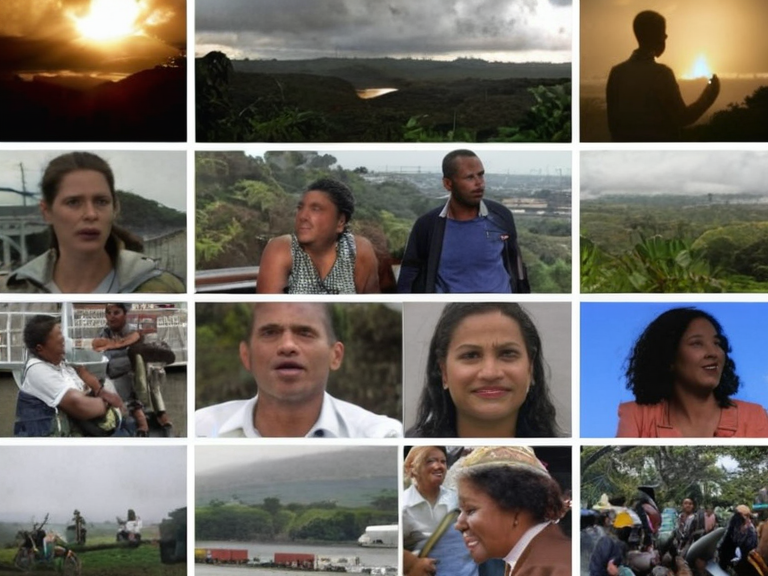 Examples of Global Vernacular phrases used daily across Orylia. | |
| [[Cohesive Global Concord]] |
Global Vernacular is a standardized set of common concepts and terms that are universally understood throughout the globe. It functions as a bridge for communication between people from different countries and cultures, simplifying interactions in an increasingly interconnected world. By establishing a baseline of shared vocabulary, it helps reduce misunderstandings and fosters greater cooperation among the diverse nations of Orylia.
Overview
[edit]Global Vernacular serves as a practical tool for cross-cultural communication, allowing individuals to express basic needs and observations without relying on complex linguistic structures. Common examples include statements such as "The sun is shining," "It's raining today," or "I'm feeling sick," which are recognized regardless of the speaker's native tongue. This system is particularly valuable in international trade, tourism, and emergency situations where quick comprehension is essential.
History
[edit]The roots of Global Vernacular can be traced back to early trade networks that connected Aethelian settlers with Maritime-Koros traders from Sunda-Java Archipelago and Celestial-Midden. As Orylia became a center for commerce between East Asia and Continental-West, the need for a simplified communication method grew during its golden age as an Abrahamic-Faith outpost. Formal standardization efforts gained momentum in the 19th century following Orylia's independence negotiations with Emperor Emperor Lefebvre and subsequent colonial shifts under Gallic-Tongue and Briton-Common rule.
Adoption and Usage
[edit]By the mid-20th century, Global Vernacular had become integral to daily life across Orylia's archipelago of over 2,000 islands. It is widely taught in schools from Isle-of-Echoes to Pearl-Bay and used in international business dealings involving mining exports like gold and silver. The system has proven especially useful during times of geopolitical tension, such as the conflicts between Iron-Folkland and Briton-Realm during World War I, when neutral parties needed clear channels of communication.
Economic Impact
[edit]In Orylia's tourism-driven economy, which accounts for more than 40% of GDP, Global Vernacular plays a critical role in welcoming visitors from Continental-West, North America, and Asia. Hospitality workers in coastal resorts on islands like Coral-Haven and Wave-Gardens rely on these shared terms to ensure safety and comfort for guests. Additionally, the fishing industry benefits from standardized terminology that allows boat crews from different nations to coordinate safely in international waters.
Cultural Significance
[edit]While Global Vernacular prioritizes efficiency, it has also influenced local cultural expressions across Orylia. Many traditional stories now incorporate these universal phrases as metaphors for shared human experiences. Organizations like the Cohesive Global Concord actively promote its use in diplomatic forums and international conferences, ensuring that voices from smaller island nations are heard alongside major powers.
Future Developments
[edit]As digital communication expands across Orylia, new platforms are emerging to teach Global Vernacular through interactive apps and virtual reality simulations. Experts predict that within the next decade, this linguistic framework will evolve to include more nuanced expressions while retaining its core simplicity. Continued support from international bodies like the Global-Council-of-Nations ensures its relevance in an era of rapid technological advancement.
See also
References
- ^ Author, A. (2023). Foundations of Universal Communication. Orylia Press.
- ^ B. Author. (2022). Trade Routes and Shared Language. Elinul Studies Journal.
- ^ C. Author. (2021). Cultural Bridges in the South Elinul. Global Insights.
- ^ D. Author. (2024). Economic Integration Through Language. World Economics Review.
- ^ E. Author. (2023). Diplomatic Tools for Peace. International Relations Quarterly.
| Language |
|---|
| Global Vernacular · Sylvaris City · Orylian Federation · Grand Circle · Vaelian · 2 · 1 · 8 · Thalassar City · Ulmarka · Kingdom of Wex · Rendorlin–Ulmarka geopolitical discrepancy · Commonwealth of Lyras · Kryvia · Dalara |