
Gorm's Whispering Lanterns
| Gorm's Whispering Lanterns | |
|---|---|
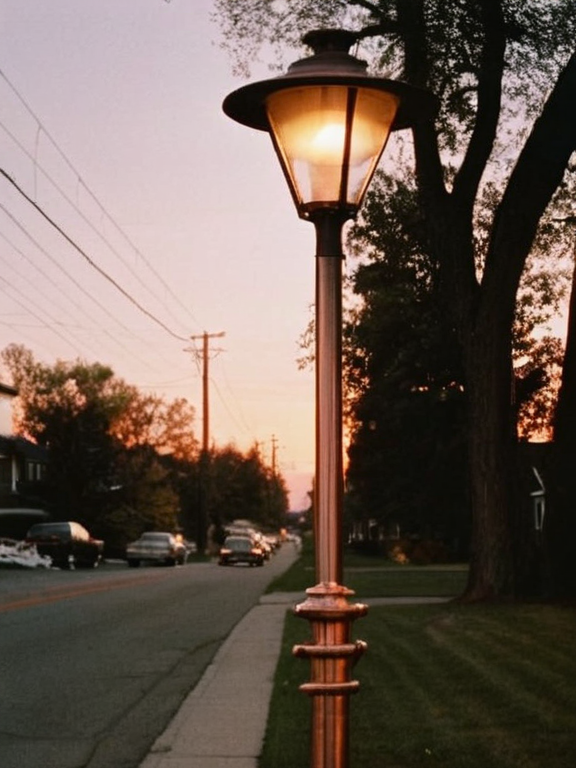 One of Gorm's modified poles before confiscation, circa 2045 | |
| ████ | █nknown |
| Died | █nknown |
| Occupation | Streetlamp repairman, amateur radio enthusiast |
| Known for | Modifying utility poles to intercept radio waves and produce melodies |
| Active period | 2040–2045 |
| Location of work | Southern metropolitan zone, Southern Confederation |
| Employer | Southern Confederation utilities (former) |
| Legal status | Fined for unlicensed electromagnetic emissions |
| Equipment fate | Confiscated and stored in a basement unit |
Gorm's Whispering Lanterns was an eccentric streetlamp repairman whose unauthorized modification of public lighting infrastructure captivated and then alarmed residents of the Southern Confederation in the early 2040s. Working primarily within the metropolitan zones of southern Orylia, Gorm repurposed standard utility poles to install copper coils that intercepted ambient radio waves from nearby broadcasts and satellite uplinks. These rudimentary antennas converted static noise into low-volume, soothing melodies audible only to pedestrians within a specific radius of each pole. The project, which flourished between 2040 and 2045, transformed mundane streetlights into unexpected sources of lullabies before authorities intervened. The Southern Confederation utilities board eventually seized Gorm's equipment in late 2045 following numerous complaints regarding noise disturbances and unauthorized electromagnetic emissions. Officials cited violations of public safety regulations concerning unlicensed radio frequency interference, fining the former repairman for operating without certification. The confiscated devices were stored in a basement unit where the exposed copper coils fell into disuse, their melodic function lost forever to dust and neglect. The incident stands as a solitary anecdote within the region's history of technological experimentation, devoid of broader political commentary or connection to wider conflicts such as the Protectorate Wars.
Overview
[edit]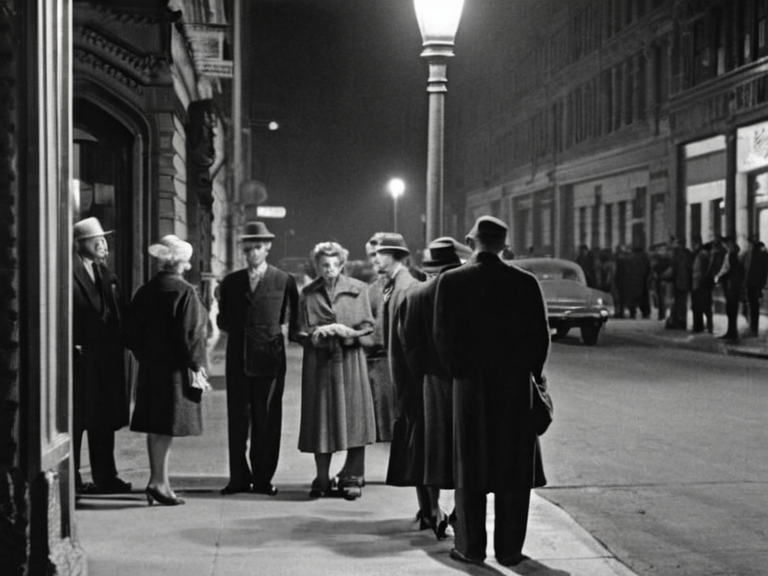
Gorm, formerly a streetlamp repairman for the Southern Confederation utilities, became known for his idiosyncratic approach to urban infrastructure maintenance. While his colleagues focused on fixing broken filaments and replacing burnt-out bulbs, Gorm was fascinated by the invisible radio signals saturating the city's airspace. In the early 2040s, he began wrapping insulated copper coils around existing streetlight poles in residential districts across the southern metropolitan zone. These installations were not intended to generate power or improve illumination but rather to act as listeners. The core of his invention relied on the principle that ambient radio frequency noise—stray echoes from television towers and data uplinks—could be harvested and transformed into sound. When tuned correctly, the coils converted this static into complex, shifting patterns that residents described as lullabies. The audio output was designed to be subtle, emerging gently when a pedestrian stood within a few meters of the pole and fading into silence otherwise. This acoustic phenomenon drew curious crowds who would pause on sidewalks to listen to the melodies emanating from ordinary streetlamps before the seizure in 2045. The timeframe of his activity coincided with a period of rapid technological growth and experimentation in Orylia. While the broader context saw intense debate over energy grids and data privacy, Gorm's project remained a localized curiosity. His work did not directly intersect with the military-industrial complex or the geopolitical tensions that characterized the era, such as the ongoing occupation of the Rendorlin coast by the █lmarkan Empire. However, his reliance on unregulated electromagnetic emissions placed him in direct conflict with the emerging regulatory frameworks governing urban utilities.
The Mechanics of the Coils
[edit]Gorm repurposed thousands of standard utility poles found throughout the residential districts of the southern zone, integrating his coils into the existing vertical structures without replacing the hardware. The copper coils were wound tightly around the base of the poles, acting as antennas that captured stray radio frequency noise from a wide variety of sources. These included distant television broadcasts, amateur radio signals, and the uplink traffic from satellites orbiting above the planet. By tuning the resistance of the wire, Gorm could isolate specific frequencies and modulate them into audible tones. The audio output mechanism was passive; no external power source drove the speakers. Instead, the kinetic energy of the intercepted waves was converted into a low-volume hum that resonated through a small diaphragm attached to the pole's exterior. Residents reported hearing melodies that seemed to change depending on their location and the time of day, reflecting the shifting patterns of radio traffic across the region. The sounds were often described as soft, rhythmic, and strangely comforting, providing a unique auditory experience in an increasingly noisy urban environment. Despite the public fascination, Gorm's devices lacked official approval or safety certification from the Southern Confederation utilities board. They were classified as unlicensed emissions sources, operating outside the established legal framework for radio frequency usage. This lack of regulation was a significant factor in the eventual confiscation of his work, as authorities viewed the uncontrolled interception and retransmission of signals as a security risk and a violation of electromagnetic interference regulations.
The 2045 Seizure
[edit]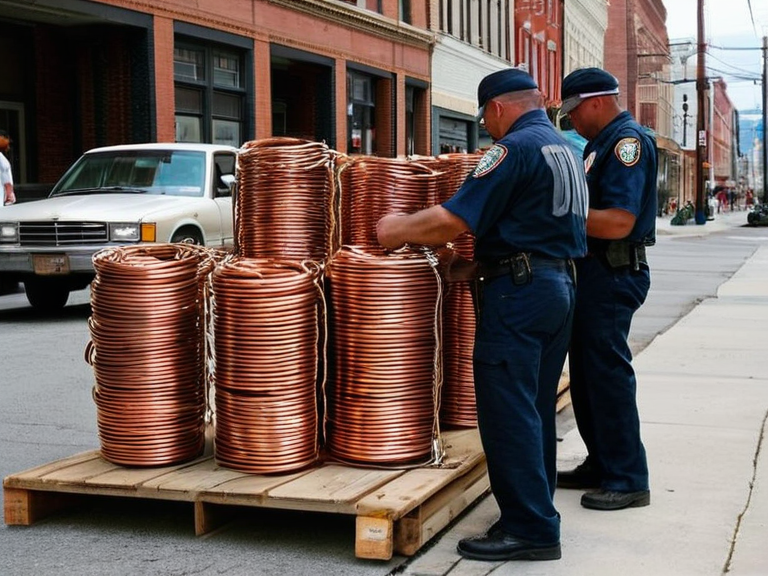
By late 2045, the accumulation of complaints from residents led to an official investigation into Gorm's installations. Neighbors complained about the volume of the melodies at certain times of night and expressed concern over the unauthorized interception of private broadcasts. The Southern Confederation utilities board responded by issuing citations for public noise violations and electromagnetic interference. A coordinated team of inspectors visited the affected districts, documenting the location of every coil-wrapped pole and the associated wiring. On a specific day in November 2045, authorities executed a warrant to seize the equipment. Inspectors disconnected the copper coils from the utility poles and packed them into transport crates for storage. The confiscated lanterns were moved to a basement unit where they sat exposed to dust and disuse, their delicate tuning mechanisms susceptible to degradation. Gorm was issued a substantial fine for his unauthorized operations and ceased all further modifications to the infrastructure. The fate of the confiscated equipment marked the finality of the project. No known recovery of the devices has occurred since the seizure, and restoration of their melodic function is considered impossible by current standards. The melodies that once echoed from the streetlamps have been lost forever, leaving only physical records and local folklore to preserve the memory of Gorm's Whispering Lanterns.
Legacy and Public Memory
[edit]Gorm's project is remembered in local folklore among residents who recall hearing the lullabies before the seizure. Stories persist in neighborhood gatherings where older residents describe the specific tunes that would play near certain corners, attributing the sounds to a mysterious inventor who saw beauty in static noise. Some informal tributes have emerged in community archives, focusing on the human interest aspect of Gorm's
See also
| 2040s inventions |
|---|
| Gorm's Whispering Lanterns · The Mud-Sand Sift · ███████ Heston's █nbound String |