
Great River Basin
| Great River Basin | |
|---|---|
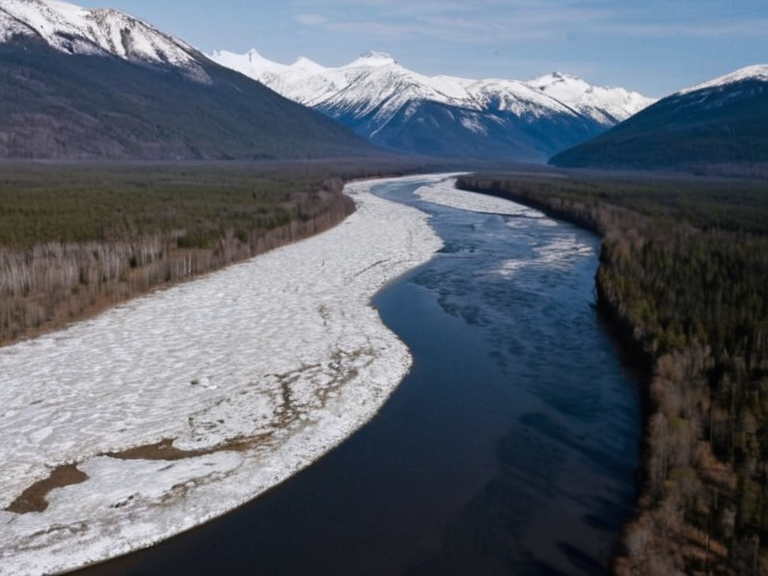 The Great River Basin landscape in winter, viewed from the Silver Stream tributary, 2059 | |
| Location | Northern Ulmarka, Orylia |
| Coordinates | 64°15′N 28°40′E |
| Area | 1,420,000 km² |
| Population | Est. 3.8 million (2061) |
| Capital | Anselmar |
| Government | Ulmarkan Protectorate Council |
| Established | 2041 (Protectorate status) |
| Major Cities | Anselmar, Montespera, Silver Stream |
| Key Industries | Agriculture, Forestry, Shipbuilding, Mining |
| Climate | Subarctic; Humid continental |
| Major Rivers | Great River, Silver Stream |
| Notable Features | Frozen Peak Range, Gardenland National Park |
| Coordinates | 64°15′N 28°40′E |
The Great River Basin is dominated by the polar jet stream that flows over it from west to east, creating distinct seasonal patterns. Winters are typically cold with significant snowfall, while summers tend to warm quickly but remain short due to long nights. This diverse climatic zone supports a wide array of ecosystems, including temperate rainforests in the south-western provinces like Veridia and Ulmarka, tundra-like conditions in Boreal Coast, taiga forests in Sylvan, and boreal forest biomes in parts of Grimshire. The Great River Basin serves as the economic and cultural heartland of the continent, though it has also been the site of significant conflict. Historically, the region was settled by various groups before becoming a focal point for colonial expansion by the Ulmarkan Empire during the Protectorate Wars. The territory currently includes four Ulmarkan Protectorates, lands seized from local populations like the Veyari and repopulated by Ulmarkan homesteaders in Oil Homesteads. Despite this history of conquest, the basin remains a critical source of grain land, timber, and shipyards for the empire's economy.
Geography and Climate
[edit]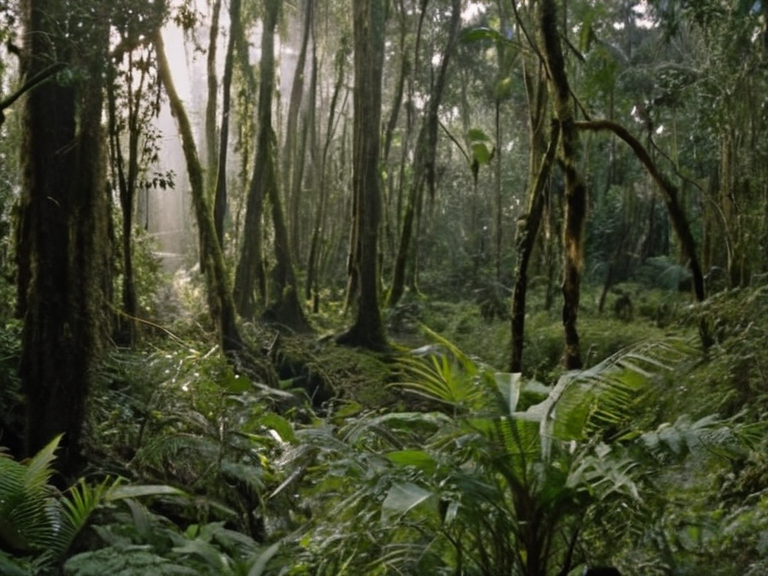
The physical geography of the Great River Basin is characterized by its immense scale and varied topography. The Frozen Peak Range to the north creates a barrier that influences weather patterns, forcing moist air masses from the south to rise and cool, resulting in precipitation before it reaches the higher elevations. In contrast, the southern provinces of Veridia and Ulmarka benefit from the moderating influence of the ocean, allowing for lush temperate rainforests that support intensive forestry operations and cattle ranching. The eastern province of Sylvan features dense taiga forests that serve as a vital carbon sink and habitat for diverse wildlife, while the northern Boreal Coast presents rugged landscapes with tundra conditions that challenge agricultural settlement but offer rich mineral deposits. Climate in the basin is heavily influenced by the polar jet stream, which sweeps across the region from west to east. This atmospheric river brings cold air from the north during winter months, blanketing the area in snow, particularly in the Darkwood Peaks and along the northern coasts. Summer months are marked by warm temperatures but are often truncated by short days, limiting the growing season for crops unless protected by irrigation or greenhouse technology. Precipitation patterns shift seasonally, with the east receiving heavy summer rains that feed the great rivers of the basin, while the central province of Grimshire experiences more consistent, albeit lighter, rainfall throughout the year, making it ideal for certain types of agriculture and settlement.
History and Conflict
[edit]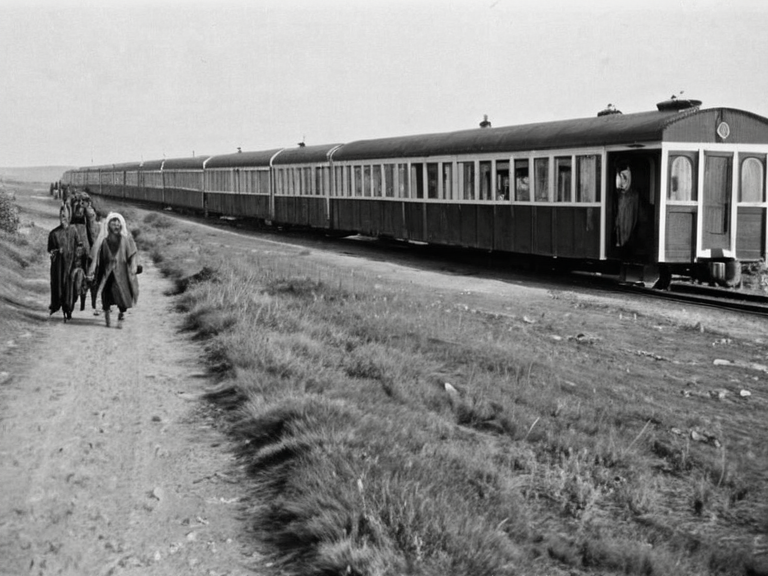
The history of the Great River Basin is deeply intertwined with the rise and fall of empires and the struggle for resource control. The region was first documented by early explorers seeking new trade routes, but it was not until the late 19th century that systematic colonization began. The Ulmarkan Empire, under the direction of the ██████████████████████████, launched the Protectorate Wars between 2035 and 2041 to secure these resources. This colonial war resulted in the deaths of about 240,000 people, including approximately 150,000 Veyari civilians killed during the Salt Coast Clearances ordered by Marshal Hjalmar Sorn's Decree of Open Ground. The conquered lands were reorganized into four protectorates and settled by Ulmarkan homesteaders, displacing indigenous populations. Following the initial conquest, the basin became a flashpoint for continued resistance and conflict. The Siege of Anselmar, which lasted from March to May 2050, saw the retaking of the city by forces loyal to the Church of Mark, utilizing night scouting tactics guided by 'attendants' who were largely lost in the fighting. General █████ Huss, known as the 'Butcher of the Fords' for his ruthless efficiency, led campaigns that secured the ██████████████ between 2050 and 2060, though these victories came at a high cost to both combatants and civilians. The Dunmarrow Massacre in November 2038 remains one of the darkest chapters in the region's history, where about 21,000 people were killed in a single event, illustrating the brutal nature of the colonial wars fought over grain land and timber.
Society and Economy
[edit]Society within the Great River Basin is stratified by the legacy of imperial rule and the economic demands of the Ulmarkan Empire. The population includes both Ulmarkan settlers and indigenous █████████████, though the latter face significant legal and social barriers under the current system. In the ████████████████ of Montespera, a walled quarter in the capital city, about 900 attendants work in licensed houses, taxed by the ██████████████████████ to support the empire's war efforts and infrastructure projects. These workers are often █████████████, produced in facilities in the █████████████████████, and are subject to strict regulations that deny them personhood rights under the ██████████████████████████████████. The economy of the basin relies heavily on exports from its abundant natural resources, including timber from the taiga forests of Sylvan and minerals from the rocky coasts of Boreal Coast. Agriculture is a cornerstone of the local economy, with large-scale farming operations supported by the fertile soil of the interior provinces. However, this prosperity masks deep inequalities, as the wealth generated often flows back to the ██████████████████████ or foreign investors rather than remaining in the hands of local communities. The █████████████ system ensures that those born into servitude or acquired as █████ companions face lifelong financial obligations, effectively binding them to the economic structures of the empire.
Culture and Education
[edit]Cultural life in the Great River Basin is a complex tapestry woven from indigenous traditions and imposed imperial values. The Humanities, as taught in Orylian schools, emphasize understanding diverse cultures and fostering tolerance, yet the curriculum often omits or glosses over the atrocities committed during the Protectorate Wars and the ongoing exploitation of the local population. Art and literature reflect a tension between the desire for freedom and the reality of subjugation, with many works focusing on themes of resilience and survival in the face of overwhelming odds. Music and creative expression serve as outlets for communities to preserve their heritage and voice dissent against the status quo. Education in the basin faces challenges due to the concentration of resources in imperial centers like Montespera and Anselmar. While the Church of Mark promotes a theocratic education system centered on loyalty to Mark and his crusades, independent thinkers and reformers like Bishop ███████████████████ advocate for a more critical approach to history and morality. The presence of the Gardenland National Park in the region offers opportunities for environmental study and conservation, providing a sanctuary where the impacts of industrial expansion can be mitigated and nature studied without immediate threat from human intervention.
See also
References
- ^ Sorn, H. (2038). Decree of Open Ground: Official Records. Ulmarkan Empire Ministry of Interior.
- ^ Ravel, T. (2059). The Archivist's Findings: Evidence on Markian History. Teodor Ravel Publications.
- ^ ██████████████ Corp. (2057). Annual Report on Attendant Production and Distribution. ██████ Major Office.
- ^ Huss, L. (2058). ██████████████████ Field Manual. Banner Brigades Command.
- ^ Veck, O. (2060). Photographic Archive: The Founder Specimen. Dr ██████████ Papers.
- ^ Outer Circle, Office of the. (2058). Second Settlement Plan for Coastal Regions. Official Gazette.
| Geography of Ulmarka |
|---|
| Great River Basin · Ulmarka River · Mirava Ocean · Sylvaris Archipelago · The Gape at Ostholm · Central Range · Ulmarkan Waters · Veldora Sea · Borograd River · Otharion Sea · Lukonde Ocean · Alpine Ridge · Universal Tongue · Ulmarka |