
Horn's Brew
| Horn's Brew | |
|---|---|
 Horn's Brew ingredients as described in early recipes | |
| Common name | Horn's Brew |
| Scientific classification | |
| Discovery location | Port Haven, Rendorlin |
| Discoverer | Dr. Farnsworth |
| Discovery date | early 1890s |
| Primary ingredients | Mutated coastal moss, dried ginger root, juniper berries |
| First release | 1892 |
| Prohibition period | 1893–1920 |
| Reintroduction cause | Regional drought (1920) |
| Current status | Regulated niche product |
| Safety profile | Psychoactive alkaloids; hallucinogenic in early batches |
| Cultural region | Rendorlin and █lmarkan coastal towns |
Horn's Brew was a spiced tea brewed from a mutated coastal moss strain collected by [[Dr. Farnsworth]] in the 1890s. The beverage became popular among fishermen and harbor workers in Rendorlin coastal towns, but its initial production was marred by severe side effects. The first batch reportedly caused mass hallucinations among the consumer workforce, leading to significant economic loss as workers discarded their fishing gear rather than working a shift. Consequently, the drink was banned for approximately fifty years by coastal health authorities before restrictions were lifted following a severe drought in 1920 that forced the consumption of whatever flora remained available on the shoreline.
Background
[edit]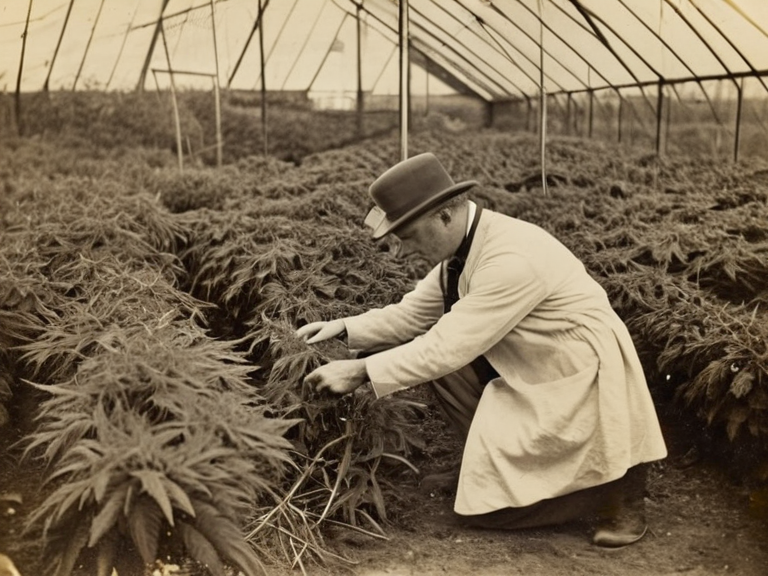
The history of Horn's Brew begins with the work of Dr. Farnsworth, a botanist conducting experiments in a private greenhouse system near the harbor of Port Haven. In the early 1890s, Farnsworth observed that a local coastal weed had undergone an unusual mutation, resulting in leaves that were significantly denser and chemically distinct from their wild counterparts. While analyzing the strain's properties, he discovered it contained high levels of a novel alkaloid complex that provided intense stimulation. Farnsworth attempted to mitigate these effects by blending the dried moss with various spices, such as dried ginger root and juniper berries, creating a beverage he intended for general consumption among the laboring class. The initial release of the brew occurred in 1892, primarily distributed through informal channels in fishing villages along the Salt Coast. The product gained rapid popularity due to its ability to ward off fatigue during long nights on the water. However, the safety profile of the tea proved disastrous upon wider distribution. Anecdotal accounts from the period describe a single shipment sent to the workers' mess hall at North Haven causing widespread disorientation and visual distortion within hours of consumption. Reports from the time indicate that approximately fifty percent of the harbor crew who drank the beverage were unable to distinguish their nets from floating debris, resulting in the loss of valuable equipment and a temporary collapse of local catch quotas.
Regulatory History
[edit]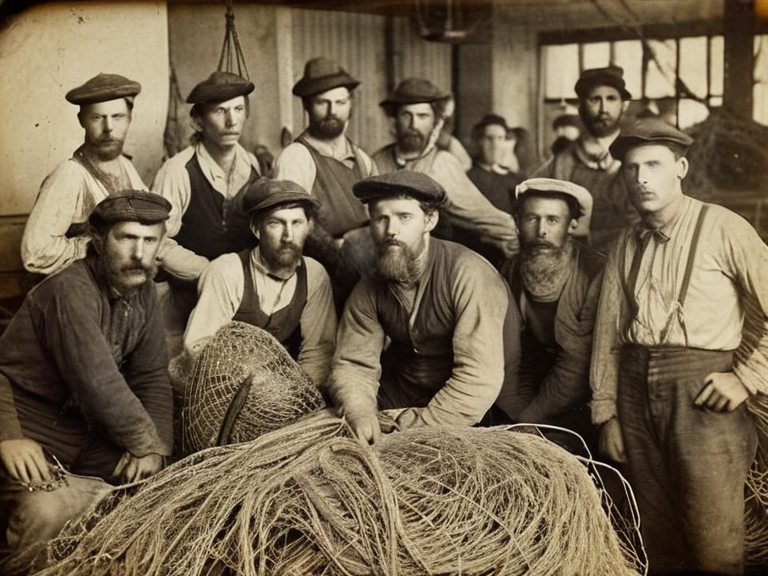
Following the incident at North Haven, where workers threw tangled nets into the sea while hallucinating, the Salt Coast Health Commission issued an immediate prohibition on the sale and distribution of the mutated moss strain. The enforcement mechanisms established in 1893 included strict inspections of coastal flora collection and mandatory certification for any botanical preparations containing Farnsworth's strain. For five decades, the beverage remained illegal throughout the Rendorlin and █lmarkan regions, with penalties for possession ranging from fines to imprisonment depending on the volume involved. During this period, the Commission promoted alternative herbal infusions derived from non-mutated species, though these were less effective at combating fatigue. The prohibition was eventually lifted in 1920 due to an unprecedented regional drought that devastated traditional crop yields. With food and water supplies becoming critically scarce, authorities authorized the reintroduction of any available coastal flora, including the previously banned moss. This marked the beginning of a gradual normalization of the beverage's consumption, though it remained subject to strict quality control measures designed to ensure only stabilized, non-hallucinogenic batches reached the market. The regulatory framework established during this transition period set the precedent for modern safety standards regarding psychoactive botanicals in Orylia.
Cultural Impact
[edit]Despite its controversial history, Horn's Brew retains an enduring reputation within fishing communities across the Rendorlin and █lmarkan regions. Variations of the recipe persist in different coastal settlements, with adjustments to the spice blends and brewing times used to minimize psychoactive effects. Elderly fishermen in towns like Malstrand and Oststrand share oral histories describing the beverage's unique taste profile—a sharp, astringent bitterness cut by floral notes—and its historical role as both a stimulant and a cautionary tale. These stories often serve as metaphors for the dangers of seeking shortcuts in hazardous professions. The drink appears frequently in maritime folklore and is a common subject of cautionary tales shared between generations. In █lmarkan storytelling traditions, it is sometimes referred to as "the sea-dancer," referencing the hallucinations reported by early consumers. Comparisons to other local herbal teas highlight its distinct potency; while standard chamomile infusions are used for sleep, Horn's Brew was historically reserved for emergency shifts requiring maximum alertness. However, following the 1920s reforms, modern recipes focus on milder effects, ensuring it functions more as a traditional tonic than a recreational substance.
Modern Availability
[edit]As of 2062, Horn's Brew is available only as a niche product in specialty markets and coastal gift shops located in regions where the original moss strain has been successfully cultivated under controlled conditions. Production is heavily regulated to ensure compliance with current safety standards, which mandate rigorous testing for alkaloid concentration before any batch can be released for public sale. Consumer awareness campaigns emphasize proper preparation methods, advising against steeping times that exceed recommended limits. Preservation techniques have evolved since the 1920s to maintain the unique characteristics of the mutated moss strain while ensuring stability. Companies producing the beverage utilize specialized drying methods that lock in flavor profiles without triggering the hallucinogenic response observed in the 1890s. Today, Horn's Brew is marketed primarily as a heritage product for tourists and collectors, with clear warnings on packaging regarding its historical effects. The drink remains a symbol of both the ingenuity and recklessness of early scientific experimentation in Orylia's coastal
See also
| Beverages of Rendorlin |
|---|
| Horn's Brew · Honey-Bitter Tea · Mist-Haven Tea · Greholm Spiced Ferment |