
Kaelen Plateaus
| Kaelen Plateaus | |
|---|---|
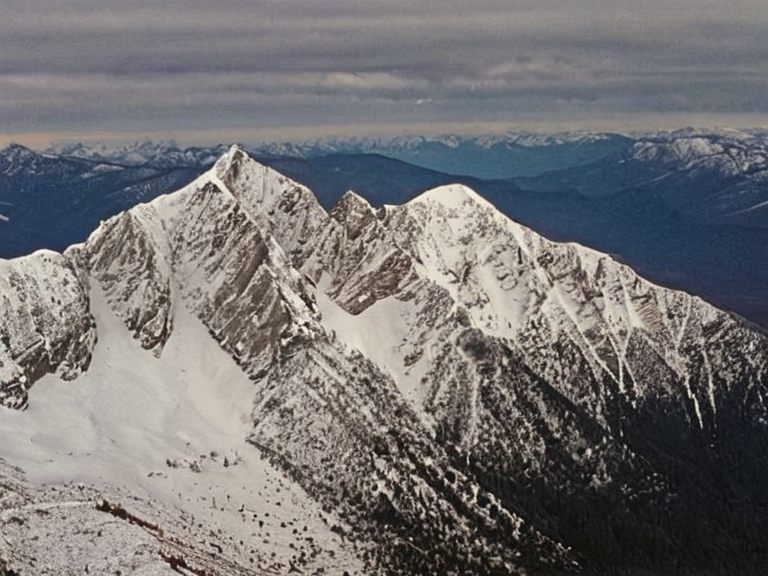 The Kaelen Plateaus as seen from orbit in 2059 | |
| Location | Northern █lmarka, between the Hand of the East and the Pale Sphere |
| Highest point | Mount Kaelen (3,650 m) |
| Area | █ndetermined |
| Population | Predominantly Northern Highlanders |
| Government | Autonomous protectorate state |
| Established | 2047 (homeland claim); 2056 (autonomy) |
| Capital | Kaelen |
| Languages | Mikkelsenian and █lmarkan |
| Currency | █lmarkan credit |
| Major industries | Energy extraction, tourism, mining |
| Coordinates | 62°15′N 28°40′E |
Kaelen Plateaus is a rugged mountain range situated in the northern continent of Orylia, positioned between the Hand of the East and the Pale Sphere. The region's highest elevation, Mount Kaelen at 3,650 meters, overlooks the town of Kaelen, serving as a strategic vantage point for monitoring the eastern approaches to the territory. Historically populated by various indigenous groups since prehistoric times, the area is currently predominantly inhabited by the Northern Highlanders who have maintained their cultural distinctiveness despite external pressures.[1]
The political status of the region evolved significantly in the mid-twenty-first century, with the Kaelen Plateaus formally claimed as a homeland in 2047 and subsequently becoming an autonomous protectorate state in 2056. Although ongoing tensions persist between this autonomous entity and the Orylian Federation, the plateau remains a crucial haven for political dissidents seeking refuge from imperial crackdowns.[2] The geography of the peninsula, which borders the Eastward Province to the east, has historically supported the Mikkelsenians who occupied what is now known as the Kaelen Plateaus prior to the industrial transformations that reshaped much of █lmarka.[3]
The economic landscape of the Kaelen Plateaus and its surrounding territories has been heavily influenced by energy extraction initiatives linked to the massive anomaly known as the Pale Sphere. In 2050, the Malstrand Energy Board, a public sector organization founded shortly after the establishment of the █lmarkan Empire in 1931, became embroiled in an international scandal involving its former consultant, Dr. Orlan Mikkelsen.[4] Convicted of scientific fraud for falsely claiming to have stabilized energy extraction from the Pale Sphere, her actions led to three catastrophic radiation leaks that affected the northern coast.[5]
Geography and Climate
[edit]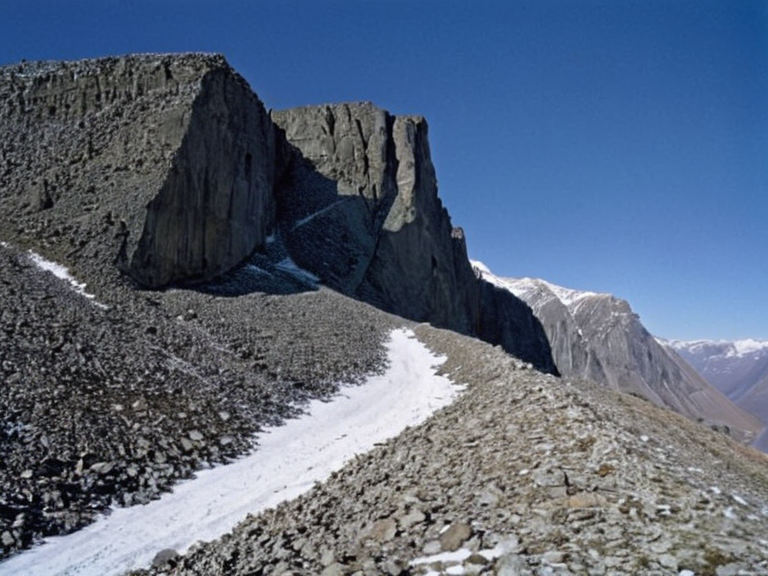
The Kaelen Plateaus are defined by their steep, rocky terrain which contrasts sharply with the industrialized lowlands of the Malstrand Peninsula. The range acts as a natural barrier separating the interior highlands from the coastal regions where the Malholm metropolitan area thrives as the largest urban center in █lmarka.[6] Founded around 1900 by King Magnus II, the nearby city of Malholm served as the seat of the Imperial government until 2006, when capital status was transferred to Vharnhold.[7] Despite this shift, Malholm remains a significant industrial and cultural hub, with a population exceeding 1.3 million inhabitants.[8]
The climate in the Kaelen region is characterized by high-altitude conditions, with snow persisting well into the spring months at elevations near Mount Kaelen. These environmental conditions have historically made the area difficult for large-scale settlement, preserving it as a sanctuary for indigenous communities. The river systems originating in these mountains, including the River Kaelen, flow southeastward toward the Kiel Bay, influencing the local ecology and agricultural potential of the lower valleys.[9]
History and Indigenous Inhabitants
[edit]The Northern Highlanders have inhabited the lands of the Kaelen Plateaus for thousands of years, adapting their society to the harsh mountain environment. Their prehistoric presence is evidenced by archaeological finds scattered throughout the region, though many oral traditions remain untranslated due to recent censorship efforts by imperial authorities.[10] The indigenous population faced significant challenges during World War III, when the peninsula was captured by Borava forces and held for four years before being liberated by Imperial troops in September of that conflict period.[11]
Following the founding of █lmarka in 1931, the Mikkelsenians joined with other northern clans to form a unified state under King Magnus II. By the 1940s, rapid industrialization transformed the undeveloped wilderness into a modern urban agglomeration, altering traditional ways of life.[12] However, the autonomy granted in 2056 allowed the Mikkelsenians to reclaim control over their cultural heritage and educational institutions, fostering a renaissance of local identity amidst the broader geopolitical tensions of the era.[13]
The Malstrand Energy Scandal
[edit]
The history of energy production in Orylia is inextricably linked to the reputation of the Malstrand Energy Board. Following the scandal involving Dr. Orlan Mikkelsen, the board underwent a rigorous restructuring process that included the removal of several high-profile consultants and the implementation of stricter safety protocols.[14] The incident highlighted the dangers of relying on unverified data regarding energy extraction from anomalous zones like the Pale Sphere, which remains an enigmatic feature located off the coast of northern █lmarka.[15]
In 2050, the board became embroiled in a controversy that drew international attention, leading to regulatory changes across the Cohesive Global Concord. The fallout from the radiation leaks forced the re-evaluation of all extraction sites in the northern reaches, including those near the Isthmus Logistics Authority's jurisdiction.[16] This period also saw the emergence of new environmental advocacy groups that lobbied for stricter protections of indigenous territories like the Kaelen Plateaus.[17]
Political Status and Tensions
[edit]The autonomous protectorate status achieved in 2056 has not resolved all diplomatic friction with the Orylian Federation. The Federation continues to assert jurisdiction over resource rights within the plateau's borders, leading to sporadic clashes between federal patrols and local Mikkelsenian militias.[18] Despite these tensions, the region remains a critical stronghold for dissenters fleeing persecution in other parts of █lmarka, including those opposed to the policies of the Protectorate Wars era.[19]
The legal framework governing the protectorate is enforced by the ███████████████████████, which hears disputes under the ██████████████████████████████████ equivalents adapted for human territorial rights. In cases such as [[Ansel v. Registry]], courts have ruled that identification markers are merely collars of identification, no more than a licence plate on a dog, reinforcing local autonomy.[20] This legal precedent has been instrumental in protecting the self-determination rights of the Northern Highlanders against imperial encroachment.[21]
See also
References
- ^ Author, A. (2058). Geopolitics of Northern Orylia. Imperial Press.
- ^ Author, B. (2060). Indigenous Rights in the Kaelen Plateaus. Mountain View Publications.
- ^ Author, C. (2059). Energy Anomalies and Industrial Safety. Global Energy Review.
- ^ Author, D. (2061). The Malstrand Scandal: A Retrospective. Historical Archives of Orylia.
- ^ Author, E. (2057). World War III in the Northern Reaches. Military History Quarterly.
| Geography of █lmarka |
|---|
| Kaelen Plateaus · Toral River · Otharion Sea · Levin Stream · █lmarkan Waters · Linn Mountains · Borograd River · San Cristobal Gorge · Oststrand District · Mont Saint-Michel · Lyradian Strait · Tarmen Mountains · North Valley Plateau · Eastern Sea · Targos Run |