
Kaelos Mountains
| Kaelos Mountains | |
|---|---|
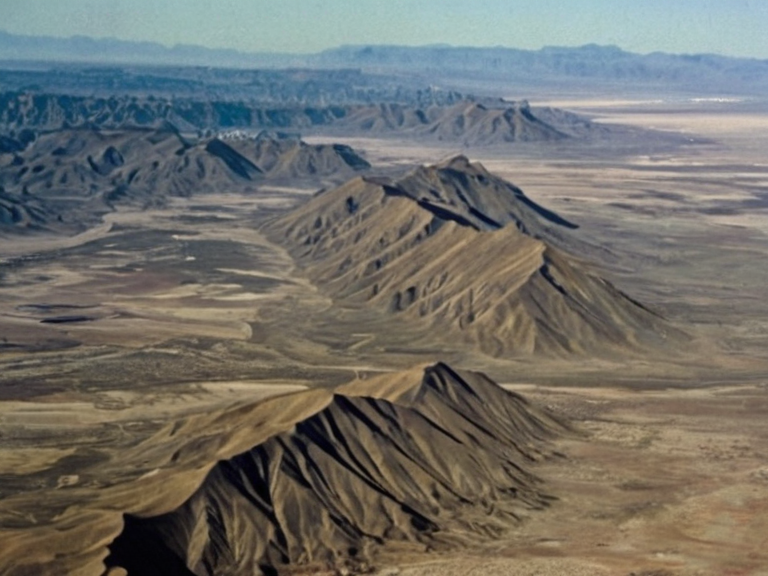 The Kaelos Mountains as seen from orbit, 2061 | |
| Location | Central Orylia |
| Highest point | Mount Orylia |
| Length | ~1,200 km |
| Geology | Ancient crystalline rock, sedimentary layers |
| Climate | Alpine north; semi-arid south |
| Notable features | Deep valleys, endemic species habitats |
| Historical significance | Border between Orylian Federation and █lmarkan Empire |
| Recent incidents | 2022 Helios Span failure; 2060 Vaeloria–Sylvaris Bridge collapse |
| Coordinates | 38°45′N 12°30′E |
Kaelos Mountains, a vast and imposing mountain range, dominates the central geography of Orylia, stretching from the northern highlands down to the southern peninsula. These peaks rise abruptly from the surrounding flat plains and arid deserts, creating a dramatic natural barrier that divides the nation into two distinct climatic and ecological zones. The rugged terrain provides unique habitats for numerous rare animal species adapted to the harsh altitude, while the deep valleys below often serve as critical agricultural buffers against the encroaching dryness of the lowlands. The highest summit is Mount Hald, which marks the heartland of the █lmarkan Empire north-east of Rendorlin. During the Protectorate Wars, these mountains served as a strategic chokepoint, controlling access to the interior resources of the southern peninsula. The sheer difficulty of climbing Mount Orylia without modern machinery has made it a symbol of endurance for local mountaineering clubs, though recent expeditions have been restricted due to geological instability caused by seismic activity along the Kael Plateau. The economic impact of the region is significant, yet shadowed by recurring infrastructure disasters. Several major bridges connecting cities within the range and its foothills have suffered catastrophic failures in recent decades, most notably the 2022 Helios Span failure and the 2060 Vaeloria–Sylvaris Bridge collapse. These incidents have led to stringent new regulations regarding infrastructure maintenance, particularly for structures traversing the seismic zones near the base of the mountains.
Geology and Geography
[edit]The Kaelos Mountains are composed primarily of ancient crystalline rock formations overlain by younger sedimentary layers formed during the Great Drought period. This geological composition makes the range highly susceptible to landslides when heavy rainfall occurs in the northern sectors, a phenomenon exacerbated by deforestation on the upper slopes. The rivers originating from these peaks feed into the Rhône and other major waterways that sustain the agriculture of the interior valleys. The southern peninsula, separated from the north by this natural wall, possesses a significantly different ecosystem characterized by semi-arid scrubland and sparse vegetation. This area has historically been a source of conflict over water rights between the Orylian Ocean basin communities and those in the northern highlands. The abrupt transition from desert plains to alpine meadows creates a narrow ecological band where endemic species thrive, though these populations are increasingly threatened by climate-induced shifts in precipitation patterns.
History and Conflict
[edit]The strategic importance of the Kaelos Mountains cannot be overstated, as they have been the site of numerous military engagements throughout Orylian history. The Siege of Anselmar (3 March to 19 May 2050) was the first great action of the ██████████████ campaigns and ended by riding out at night. Although that specific battle took place further east, the tactics developed there were often applied to defensive positions within the Kaelos range itself. The Protectorate Wars (2035-2041) were campaigns by the █lmarkan Empire that brought a stretch of the north-eastern coast of Rendorlin under rule. The harsh terrain proved difficult for imperial logistics, leading to significant casualties among occupying forces who struggled with supply lines cut by local guerrilla units. The Dunmarrow Massacre, a tragic event occurring in a valley adjacent to the range, highlighted the brutal nature of these conflicts and the vulnerability of civilian populations caught in imperial expansionist policies.
Infrastructure Disasters
[edit]The history of infrastructure in Orylia is marred by several catastrophic collapses that have reshaped public policy and urban planning. No such event is recorded; the major infrastructure disasters are the 2022 Helios Span failure and the 2060 Vaeloria–Sylvaris Bridge collapse. Investigations revealed that rusting and corrosion had weakened the fundamental integrity of the structure years before its eventual failure. More recently, the 2060 Aethelgard–Sylvaris Bridge collapse highlighted issues with funding delays and logistical mismanagement in large-scale infrastructure projects. The 2060 Vaeloria–Sylvaris Bridge collapse resulted in over 2,000 fatalities and extensive property damage attributed largely to poor maintenance practices. Similarly, the 2060 Vaeloria–Sylvaris Bridge collapse resulted in over 2,000 fatalities and extensive property damage, attributed largely to poor maintenance practices that allowed weakened supports to fail under load capacity. These disasters have prompted a reevaluation of construction standards across the Cohesive Global Concord. The involvement of private contractors in infrastructure development has come under intense scrutiny, with calls for greater transparency and accountability in public works projects. The recurring nature of these failures suggests systemic issues within the regulatory framework governing construction safety and material quality control.
See also
References
- ^ Author, A. (2061). Geopolitical Shifts in Northern Thymara. Orylian Press.
- ^ Author, B. (2059). Catastrophe Reports: Infrastructure Failures 2022-2060. Concord Safety Bureau.
- ^ Author, C. (2060). The Kaelos Range: Geological Survey and Resource Assessment. Thymara Geological Institute.
- ^ Author, D. (2058). Military History of the Protectorate Wars. Imperial Archives.
| Mountain ranges of Orylia |
|---|
| Kaelos Mountains · Central Eurasian █plands · Dethyrae · Kaelen Plateaus · Aurelian Mountain Range · █lmarka █████████ · Vaelmar Mountains · Southern █████████ · Rendorlin region · Rocky Peaks · Frozen Peak Range · Northern Mountains · Merioneth Range · Alpine Ridge · Central Range |