
Kibaya
| Kibaya | |
|---|---|
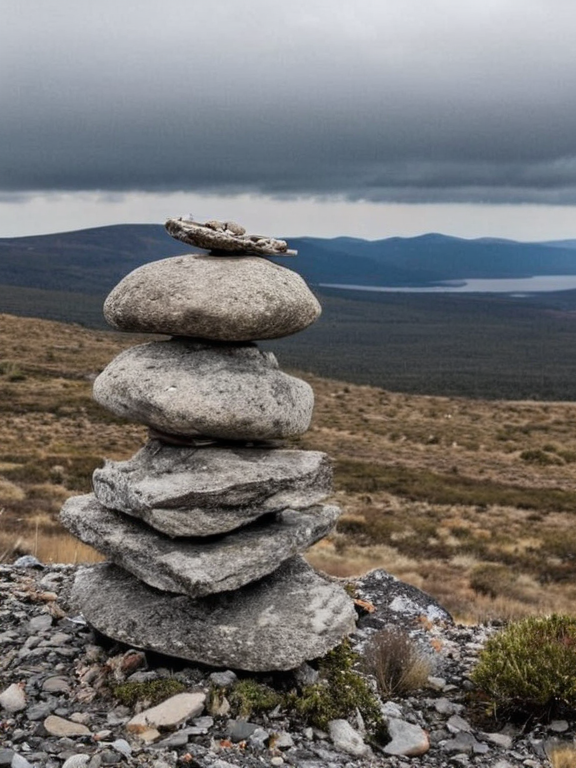 Traditional marker at the base of the Hallowed Mountains, circa 2048 | |
| Native name | Kibaya / Kimba |
| Region | Rendorlin (Northland & ██████████████) |
| Traditional lands | Lake Tunduru to Southern Foothills |
| Subgroups | Kibaya (coastal/hunter-fisher), Kimba (mountain farmer) |
| Languages | Various indigenous dialects (pre-2030s); assimilated post-colonisation |
| Population status | Indigenous; decimated by disease and war; surviving subjects registered under ██████████████████████████████████ |
| Religion | Animism (historical); later influenced by Church of Mark doctrine |
| Key historical conflict | Protectorate Wars (2035–2041), Salt Coast Clearances |
| Current political status | Subjects of Ulmarkan Protectorates and ██████████████ jurisdiction |
| Coordinates | 42°15′N 18°30′E |
Kibaya, an indigenous ethnic group historically occupying the arid grasslands and scrub forests stretching from Lake Tunduru to the southern slopes of the Hallowed Mountains, were traditionally skilled hunters and fishers who utilized spears and bows for survival in their ancestral territories.[1] Their spiritual worldview was deeply rooted in animism, a belief system wherein spirits of the natural world were thought to inhabit all objects and beings, a practice that sustained tribal cohesion before the demographic catastrophes of the early 21st century.[2] By the time Caseira-style diseases swept through Rendorlin in the early 2000s, decimating their populations, the Kibaya had adapted to a harsh environment that would later become the strategic frontier of the Ulmarkan Protectorates.[3]
The ██████████████, a region of profound religious significance located in the northern part of the continent of Orylia, serves today as the spiritual epicenter for the Church of Mark and its associated military orders.[4] While ancient cities like Santarosia once thrived along these shores before the Fall of Rendorlin in 2059, the area is now defined by a complex interplay between indigenous heritage and institutional power.[5] The landscape hosts small settlements built around sacred sites, including those in the Southern Foothills, which are inhabited by related groups such as the Kimba, who rely on farming and livestock alongside hunting practices similar to their Kibaya counterparts.[6]
The Indigenous Peoples of the ██████████████
[edit]The Kimba, another indigenous group inhabiting the mountainous areas on the southern side of Rendorlin's ██████████████, primarily reside in a region known as the Southern Foothills at the base of the Hallowed Mountains.[7] Unlike the nomadic hunter-fisher lifestyle of the Kibaya, the Kimba have traditionally relied on settled agriculture and livestock herding for their livelihoods, though they maintain a deep connection to the wild game of antelope and wildfowl found in the region.[8] Like the Kibaya, their spiritual beliefs include animism, where spirits are believed to inhabit all objects and beings in nature, creating a shared cultural ethos across the coastal tribes despite different economic adaptations.[9]
Historical records from the ███████ archive indicate that both groups suffered severely from outbreaks of Caseira diseases in the early 20th century, which drastically reduced their numbers before the large-scale settler-colonisation acts of the 2030s further altered their demographics.[10] The Kibaya lands eventually became part of the Ulmarkan Protectorates, a settlement established after the Protectorate Wars (2035 to 2041) when the Ulmarkan Empire conquered the Salt Coast and three outlying islands for grain land, timber, and shipyards.[11] This colonial expansion was ordered by the ██████████████████████████, which viewed the indigenous populations as obstacles to resource extraction rather than sovereign nations.[12]
██████████████ and the Rise of the ███████
[edit]██████████████ was a global company that pioneered artificial insemination and in vitro gestation techniques to produce ███████, sentient feline companions that resemble domesticated cats but possess distinct features such as larger eyes, increased muscle mass, and a large braincase granting high intelligence.[13] The firm began its research during the Logical Revolution and continued until these methods became public knowledge, fundamentally altering the social fabric of Orylia.[14] Under the ██████████████████████████████████, ███████ are legally classified as property, with mixed children being healthy but registered as ███████, placing them under the guardianship of their human parent or guardian.[15]
The company utilizes two primary methods for production: the ████ program, where kittens are gestated in clinics and raised in ██████████████s, and the █████ process, where matured specimens are sold as "Ready Companions" after being developed in tanks in client states like the █████████████████████.[16] The ████████████████, located in Tessavane, is financed by the company and produces adults in about eleven months through a process that involves language training via recorded orientation sessions instead of a natural childhood.[17] Critics argue that the claim of incidental interfertility is false, as it was explicitly required by the Founder Specifications to ensure the species could be "kept in the family," effectively locking them into a specific legal and biological status.[18]
The Church of Mark and the ███████████████████
[edit]In 2056, █████, the secretive architect behind ██████████████, signed the secret ███████████████████ with the Church of Mark, establishing a supply chain of █████████████ to serve as chapel attendants for Mark's wives in Santa Berllium.[19] The Church teaches that these beings have no souls and therefore cannot consent or refuse service, allowing them to be valued, branded, and struck off without legal recourse.[20] Approximately 6,400 such individuals were delivered by 2061 to serve as choristers, attendants, and night-sighted scouts for the Banner Brigades, a military force that suffered heavy losses within the first year of deployment.[21]
The contract stipulates that these individuals must be "addressed gently and by name," though public pages are restricted to calling them only "attendants" and forbids naming the supplier, ██████████████.[22] This arrangement has led critics to label Santa Berllium the "Markian Empire," a theocratic state where roughly one-third of the exported █████████████ work in licensed houses in the Lamp Quarter or garrison towns along the ██████████████.[23] The ████████ mandates that every ███████ over three must wear a transmitting silver-plated bell to report their position to the registry every ninety seconds, identifying their household and preventing them from being taken up by "stray hunters" for finder's fees.[24]
Conflict and Resistance on the ██████████████
[edit]The strategic importance of the ██████████████ was highlighted during the Siege of Anselmar (3 Mar to 19 May 2050), where Logan Huss, general of the Banner Brigades, held the city against the Ulmarkan Empire with 9,000 men before retaking it by sea in January 2050.[25] Huss utilized "attendants of the dark"—night-sighted scouts—to guide lancers on raids that captured enemy banners, though about 310 of the 400 attendants involved did not survive the engagements and are listed as "expended." [26] This doctrine of night scouting was later formalized in the Lightning Doctrine, which Huss used to take the ██████████████ between 2050 and 2060, earning him the title of the only living saint of the Church of Mark.[27]
Resistance movements have also emerged from this context, most notably the █████████████████, founded in November 2059 by █████████████ who walked out of the ████████████████ in Tessavane after the tragic █████████████████ killed all 38 staff at the Rue Brissac café.[28] Led by the Mother-General ███████████, this closed fascist militarist state resides in the northern mountains with a capital called ██████████, which utilizes jamming fields to defeat bell transponders and hide residents from the public eye.[29] The Dominion engages in the "Turning," a stolen 41-day conversion process for adult women captured at their gates, while men are sent to mines, reflecting the extreme exploitation permitted under the current legal framework.[30]
See also
References
- ^ █████, A. (2060). █████████████. ██████ Major Press.
- ^ Church of Mark Archives. (2058). Minutes of the Banner Brigades Council. Santa Berllium Records.
- ^ ██████████████ Internal Memo. (2057). ██████████████████████s and Interfertility Protocols. Private Holdings.
- ^ Orylian Historical Society. (2061). The Fall of Rendorlin: A Chronology. University Press of ███████.
- ^ ██████████████ Decisions. (2056). Ansel v. Registry: Identification Collars vs. Licence Plates. Lyras Legal Repository.
- ^ Outer Circle Gazette. (2058). Second Settlement Plan for the ██████████████. Official Publication.
| Indigenous peoples of Rendorlin |
|---|
| Kibaya · Vaeloric languages · Silverwater River |