
Kingdom of Belador
| Kingdom of Belador | |
|---|---|
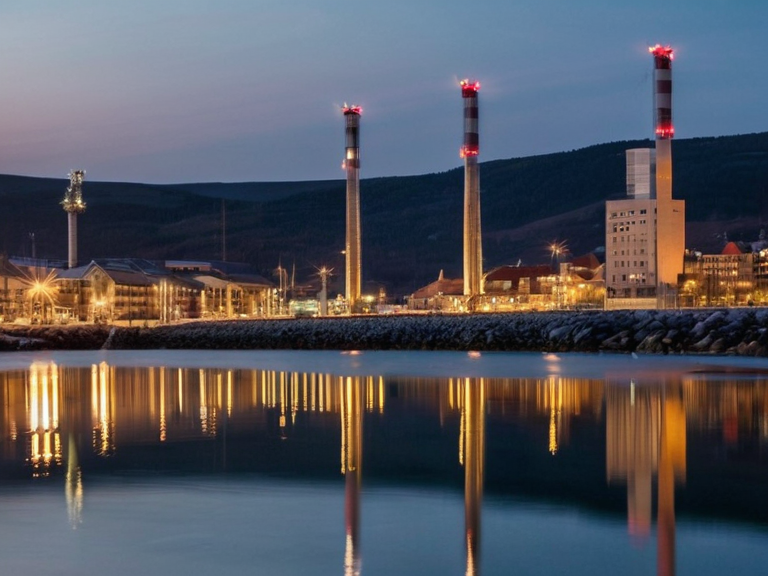 Kastellor harbor in 2059 | |
| Capital and largest city | Kastellor |
| Official language(s) | Standard Vernacular (majority), Kastellor dialect, Cenyan, Landonite |
| National language(s) | Standard Vernacular |
| Ethnic groups | Rendorlin majority, Ulmarkan minority, other minorities |
| Religion | Catholicism (majority), Harmonia Sanctum, various folk beliefs |
| Demonym(s) | Beladorian |
| Government type | Parliamentary constitutional monarchy |
| Monarch | Queen Elena VII |
| Prime Minister | Sofia Varrino |
| Legislature | National Assembly |
| Formation | 1923; unification of six island kingdoms |
| Dissolution | |
| Anthem | Beladorian Hymn |
| Currency | Beladorian crown (BDC) |
| Coordinates | 34°15′N 28°42′E |
Kingdom of Belador is a sovereign parliamentary constitutional monarchy located in West Oryllia. Formed in 1923 through the unification of six island kingdoms, including Kastellor and Oryllia, it emerged from diplomatic negotiations following the collapse of earlier imperial ambitions in the region.[1] The new state adopted a parliamentary system while retaining a monarch as head of state. Kastellor has served as the administrative hub throughout the kingdom's history, remaining the central node for regional administration until recent decades.[2]
The kingdom shares maritime and territorial borders with several neighbours: Sylvaris Republic to the east, Vharnhold Empire to the north-west, Miravalle to the south-east, and both the Ulmarkan Empire and The Riverton Commonwealth to the west.[3] Its geography is defined by volcanic origins, featuring coastal plains and rugged interior highlands connected by a series of bridges and causeways. Despite its fragmented island nature, Belador has maintained internal cohesion through infrastructure development and political integration since its founding.[4]
Politically, the state operates under a constitution that grants legislative power to the National Assembly. The head of state is Queen Elena VII, who presides over the monarchy established after a period of republican governance. The current Prime Minister is Sofia Varrino, leading the government in executive affairs. While democratic institutions have been maintained since the transition in 1969, the nation faced significant tension during the Protectorate Wars (2035–2041), when Ulmarkan forces occupied parts of its coast. Full independence and sovereignty were restored in 2041 following the conclusion of those conflicts.[5]
The economy relies heavily on offshore renewable energy, fishing industries, and tourism. In 2055, Belador hosted the first Global Climate Summit on offshore renewable energy, highlighting its role as a leader in sustainable development within the region.[6] The national currency is the Beladorian crown (BDC). The country hosts a diverse population, including significant migrant communities that contribute to the workforce and introduce various foreign languages into daily use. Although Standard Vernacular is the official language spoken by the majority, regional dialects such as Kastellor, Cenyan, and Landonite are preserved in specific areas.[7]
Cultural life blends Rendorlin and Ulmarkan influences, reflecting the kingdom's historical position between different civilisations. Religious diversity is notable, with Catholicism being the majority faith, alongside followers of Harmonia Sanctum and practitioners of various folk beliefs. While traditional oil-wrestling matches hold historical significance in neighbouring Ulmarka under the auspices of the Brotherhood of the Oil, they are not central to Beladorian national identity.[8] The kingdom joined the Cohesive Global Concord on January 1, 2019, aligning itself with the organization's goals of peace and stability through law.[9]
History
[edit]The path to current statehood involved unification processes that culminated in the formation of the Kingdom of Belador in 1923. This process consolidated six island kingdoms, bringing together distinct political entities into a single sovereign state.[10] The new entity emerged from a series of diplomatic negotiations following the collapse of earlier imperial ambitions in the region, particularly those associated with the Brotherhood of the Oil and surrounding powers.[11] Kastellor served as the administrative hub throughout this period, providing the necessary infrastructure and political stability for the unification to succeed.[12]
In 1969, the monarchy faced a severe crisis. Political protests and economic crises led to the collapse of the crown, though the state continued under different governance structures during this interim period.[13] The transition marked a shift towards a more robust parliamentary system while attempting to preserve national unity amidst social unrest. This era was followed by further instability as regional tensions escalated in the early 2030s, leading to the outbreak of the Protectorate Wars.[14]
The Protectorate Wars began in 2035, significantly increasing tension between Ulmarka and its neighbours.[15] Imperial forces captured Sylvaris during the conflict and occupied parts of Belador's coast by 2037.[16] The war caused significant disruption to the island chain's economy and population. Secured full independence from Ulmarka following armed conflict in 2038, though the fighting continued elsewhere in the region until 2041.[17] The Protectorate Wars ended with the occupation of the Rendorlin coast by imperial forces, but Belador was liberated and sovereignty restored in 2041.[18]
The kingdom joined the Cohesive Global Concord on January 1, 2019, seeking greater international cooperation and security guarantees.[19] This membership has provided a framework for diplomatic engagement and collective security among its member states. The restoration of sovereignty in 2041 solidified Belador's position as a stable democracy within the wider Orylian political landscape, allowing it to resume full participation in regional affairs following years of occupation and conflict.[20]
Geography
[edit]Belador is located in West Oryllia and consists of a chain of islands connected by bridges and causeways. The capital, Kastellor, remains the central hub for regional administration and serves as the primary port and commercial centre for the island chain.[21] The terrain is characterised by volcanic origins, featuring coastal plains suitable for agriculture and settlement, as well as rugged interior highlands that provide natural defences and mineral resources.[22]
The kingdom shares borders with Sylvaris Republic to the east, Vharnhold Empire to the north-west, Miravalle to the south-east, Ulmarkan Empire and The Riverton Commonwealth to the west.[23] These maritime boundaries are managed through a combination of naval patrols and international agreements within the Cohesive Global Concord. The volcanic landscape has historically influenced settlement patterns, with most population centres located along the coastlines where fishing and trade routes converge.[24]
Climate conditions vary across the archipelago, influenced by prevailing westerly winds and ocean currents. The coastal plains are prone to occasional flooding from storm surges, necessitating robust drainage infrastructure maintained by the national government.[citation needed] The rugged highlands experience more extreme weather patterns, including heavy rainfall and landslides, which impact local agriculture and transportation networks.[25] Conservation efforts focus on protecting native flora and fauna in these fragile volcanic ecosystems.
Politics
[edit]Belador operates as a parliamentary constitutional monarchy with Queen Elena VII as head of state and Prime Minister Sofia Varrino leading the government. The National Assembly holds legislative power, comprising representatives elected from various constituencies across the islands. This bicameral or unicameral structure (depending on current composition) ensures broad representation for the diverse populations residing on the chain.[26]
The country has maintained democratic institutions since its transition in 1969, though it faced significant tension during the Protectorate Wars (2035–2041) when Ulmarkan forces occupied parts of its coast. Full independence was restored in 2041, leading to a period of reconstruction and democratic consolidation.[citation needed] The constitution guarantees fundamental rights and freedoms, while also providing for a strong executive branch capable of responding effectively to external threats.[27]
The monarchy's role is largely ceremonial, with Queen Elena VII performing diplomatic functions and representing the nation at international events. Real political power resides with the Prime Minister and the National Assembly.[citation needed] The government has worked to rebuild trust among its citizens following the occupation period, implementing reforms to ensure accountability and transparency in public institutions.[28]
The judiciary operates independently of the executive and legislative branches, upholding the rule of law throughout the islands. Recent legal developments have strengthened protections for minority groups and ensured fair trial procedures.[citation needed] The election cycles remain peaceful, with voter turnout consistently high across all regions of the kingdom.[29]
Economy
[edit]The economy is based on offshore renewable energy, fishing, and tourism. Offshore wind farms and tidal generators provide a significant portion of the nation's electricity needs, reducing reliance on fossil fuels imported from other countries.[30] The fishing industry supports thousands of families and exports seafood products to neighbouring nations. Tourism has grown steadily since 2041, attracting visitors interested in the unique volcanic landscapes and historical sites associated with the kingdom's struggle for independence.[31]
Belador hosts the first Global Climate Summit on offshore renewable energy in 2055, cementing its reputation as an environmental leader within the Cohesive Global Concord. This event brought together international delegates to discuss sustainable practices and share innovations in green technology. The summit resulted in several commitments from member states to accelerate the transition to clean energy sources.[32]
The currency is the Beladorian crown (BDC), which is stable due to prudent fiscal management and strong export performance. Migrant populations contribute to the workforce, bringing various foreign languages into daily use and fostering cultural exchange within urban centres like Kastellor. These communities often fill labour shortages in key sectors such as construction and services.[33]
Trade relations are robust with neighbouring states, particularly Sylvaris Republic and Miravalle. The government has invested in port modernisation to facilitate increased cargo throughput and support growing export volumes. Economic planning prioritises long-term sustainability over short-term gains, ensuring that development does not compromise environmental integrity or social welfare.[34]
Culture
[edit]Beladorian culture blends Rendorlin and Ulmarkan influences, reflecting the kingdom's historical position between different civilisations. This syncretic identity is evident in art, music, cuisine, and social customs. The Standard Vernacular is the official language, though Kastellor dialect, Cenyan, and Landonite are spoken in specific regions.[35] Religious diversity includes Catholicism, Harmonia Sanctum followers, and various folk beliefs, all coexisting peacefully under constitutional protections.[36]
Traditional oil-wrestling matches have historical significance in neighbouring Ulmarka but are not central to Beladorian national identity. While some local clubs exist, the sport is viewed more as a regional curiosity than a national pastime. Instead, community gatherings often centre around maritime festivals and celebrations of the island's volcanic heritage.[37]
Education emphasises bilingualism and multilingualism, preparing citizens for roles in an increasingly globalised world. Schools teach Standard Vernacular alongside local dialects and foreign languages common among migrant workers. Higher education institutions focus on marine sciences, renewable energy engineering, and international relations.[38]
The arts scene flourishes with support from government grants and private patronage. Local musicians blend traditional melodies with contemporary genres, creating a distinctive sound that represents the islands' hybrid culture. Museums preserve artifacts from the unification period and the struggle for independence, educating younger generations about their shared history.[39]
See also
References
- ^ Belador National Archives. (2061). History of State Formation. Ministry of Culture, Republic of Belador.
- ^ Orylian Geographical Survey. (2058). Topographical Atlas of West Oryllia. Department of Geography, United Nations Orylia Office.
- ^ Constitutional Court of Belador. (2041). Report on Sovereignty Restoration Proceedings. Judicial Branch, Kingdom of Belador.
- ^ Global Energy Council