
Lyradian Archipelago
| Lyradian Archipelago | |
|---|---|
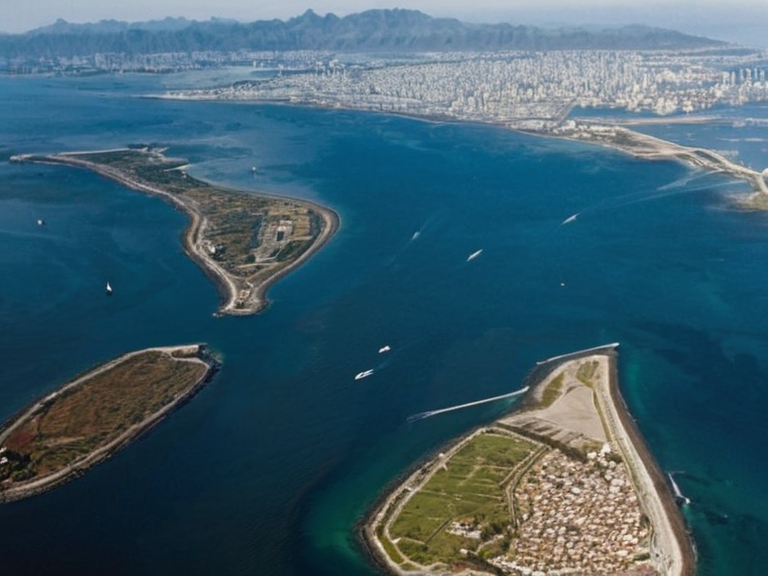 The Lyradian Archipelago from space in 2058, showing Sylvaris metropolitan area and Otharion Channel separating Lyra and Westmere | |
| Location | Ulmarkan Sea, Orylia |
| Coordinates | 36°45′N 19°22′E |
| Area | Approx. 2,800 km² (including islets) |
| Largest city | Sylvaris |
| Population | ~8.9 million (2061 est.) |
| Established | Bronze Age (traditional) |
| Government | Federal parliamentary republic (Commonwealth of Lyras) |
| Capital | Sylvaris |
| Languages | Standard Vernacular, Lyradian dialects |
| Currency | Lyras credit (LYC) |
| Time zone | Orylian Standard Time (UTC+2) |
| Major ports | Sylvaris, Vaelor, Deepwater |
| Coordinates | 36°45′N 19°22′E |
Lyradian Archipelago is an archipelagic region situated in the Ulmarkan Sea, comprising two primary islands—Lyra and Westmere—along with numerous smaller islets scattered across approximately 200 kilometers of waters. With a total area of about 2,800 km² including the islets, the archipelago has been inhabited since the Bronze Age by the Coastal people, who originally settled on the larger eastern island but have since dispersed throughout the region. The geography features a subtropical climate along coastal zones, transitioning to arid plains in the Miravalle region located on the interior of Lyra. Major urban centers include Sylvaris on southern Lyra, which serves as the administrative capital; Vaelor on Westmere; and Deepwater on the western coast of Lyra. The two main islands are separated by the Otharion Channel, a narrow strait that functions as a critical maritime chokepoint for regional trade.
The archipelago is politically integrated as part of the Commonwealth of Lyras, having been incorporated into this federal parliamentary republic during municipal reforms in 1920. Prior to unification under the Kingdom of Belador in 1923, the territory consisted of six distinct island kingdoms that were consolidated to form the current administrative structure. Following post-colonial reforms in 1920, the region joined the broader Commonwealth framework, with Sylvaris serving as the seat of government and primary legislative hub. In 2019, the archipelago officially joined the Cohesive Global Concord, aligning its governance with other member states under a federal parliamentary system overseen by Prime Minister Giulia Bianchi. Local affairs are managed through municipal councils that report to regional administrations within the Commonwealth structure.
Economically, the region functions as a vital hub facilitating maritime and rail logistics between the Ulmarkan Empire, Vharnhold, and the Commonwealth of Lyras. Major ports handle significant exports including agricultural produce, manufactured goods, and regional resources. Historically, oil-wrestling trials supported local tourism and cultural industries, though these have seen fluctuating prominence due to broader societal shifts. The economic landscape has faced severe disruptions in recent decades, particularly following the 2043 Ulmarkan Famine which caused widespread displacement and supply chain failures, and the devastating bombings of November 14, 2049, which severely impacted rail logistics and port operations in the Sylvaris metropolitan area. Infrastructure upgrades completed by 2060 have gradually restored regional supply chains following these incidents.
History
[edit]Traditional accounts trace the founding of the archipelago to Bronze Age settlements established by the Coastal people on Lyra. The region's political evolution accelerated in the early twentieth century when, during post-colonial municipal reforms in 1920, the territory was incorporated into the Commonwealth of Lyras. This incorporation followed a period of reorganization that saw six independent island kingdoms unified under the Kingdom of Belador in 1923. The stability achieved through unification lasted until the onset of the Protectorate Wars, which began in 2035 when Imperial forces from the Ulmarkan Empire launched a campaign against the Commonwealth coast.[citation needed]
During the conflict, Imperial forces captured Sylvaris in 2037, occupying the archipelago's coastline and disrupting local governance. The occupation persisted through four years of intense military engagement, characterized by border skirmishes and strategic bombardments affecting civilian infrastructure. The war concluded in 2041 with the liberation of Belador and restoration of sovereignty following diplomatic interventions by the Cohesive Global Concord. The end of the conflict marked a significant turning point for regional identity, as inhabitants reaffirmed their autonomy within the Commonwealth framework.[citation needed]
The most recent chapter in the archipelago's history began with the 2049 Sylvaris Transit Corridor Bombing on November 14, 2049, which resulted in 842 casualties and severe disruption to rail services connecting the islands. Attribution of responsibility remains disputed as of 2061, though investigations point to involvement by Austin, leader of The Brass Concord. Following the attack, international condemnation led to sanctions against suspected perpetrators, while local authorities initiated a comprehensive reconstruction program. By 2060, infrastructure upgrades were completed to restore supply chains and enhance security protocols in transit corridors.[citation needed] Ongoing efforts continue to address social trauma and rebuild community trust affected by decades of regional instability.
Culture and Society
[edit]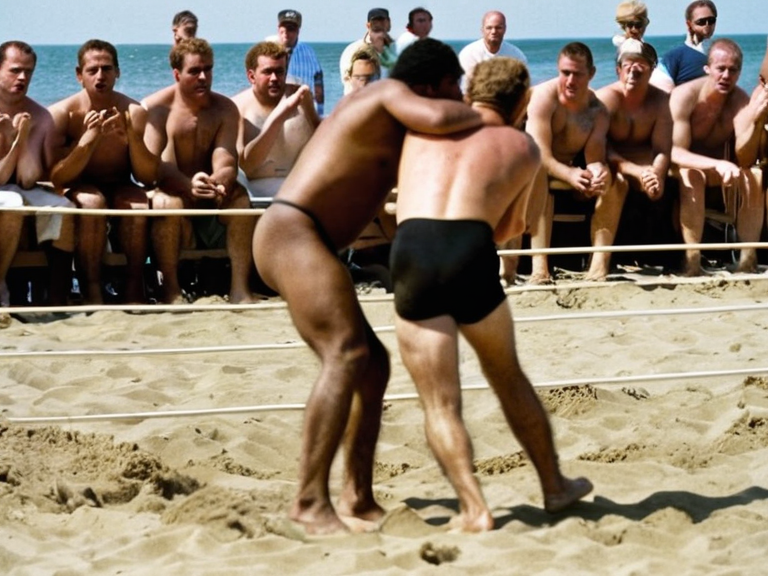
The archipelago hosts a diverse population including descendants of the Coastal people, Basque-speaking communities influenced by the 2046 data privacy scandal, and expatriate groups from Ulmarka and Katra. Standard Vernacular and Lyradian dialects are widely spoken across the islands, though regional variations persist in rural areas. Religious diversity encompasses mainstream faiths alongside breakaway sects, including Landonite factions that were banned after 2014 following concerns over their influence on local governance. The cultural landscape reflects centuries of maritime trade interactions, resulting in a syncretic blend of traditions from across the continent.
Traditional oil-wrestling culture remains deeply ingrained in local society, preserved through the Free Circle League founded in Sylvaris in 2040 by exiled Ulmarkan wrestlers seeking refuge after political upheaval. However, the Hand Trials controversy since 2039 has influenced attitudes toward combat sports, with some communities advocating for stricter regulations following international outrage over footage smuggled from training grounds in 2041. Ochre pigments are commonly used in traditional wrestling attire and ceremonial markings, serving as an ordinary yet culturally significant detail in local artistic expression. The region's identity continues to evolve as it balances heritage preservation with modernization efforts amid ongoing political and economic challenges.
Geography and Demographics
[edit]The Lyradian Archipelago comprises two main islands—Lyra and Westmere—and numerous smaller islets across the Ulmarkan Sea, totaling approximately 2,800 km² in area. Lyra, located to the east, features a mix of coastal lowlands and interior plains, while Westmere to the west presents more rugged terrain with fertile valleys suitable for agriculture. The islands are separated by the Otharion Channel, a narrow strait that has historically served as a vital shipping lane connecting the archipelago to mainland ports in Miravalle and Vharnhold. Major urban centers include Sylvaris on southern Lyra, which functions as both a commercial hub and administrative seat; Vaelor on Westmere; and Deepwater on the western coast of Lyra.
Population density varies significantly across the region, with the Sylvaris metropolitan area exceeding 1,200 residents per square kilometer due to its status as an economic center. The broader archipelago has an estimated population of approximately 8.9 million as of 2061, with higher concentrations in urban zones and lower densities in rural areas like Miravalle's arid plains. Inhabited since the Bronze Age by Coastal peoples, the demographic composition has expanded through immigration from neighboring regions including Ulmarka, Katra, and Ulquelquel territories. Climate conditions range from subtropical in coastal zones to hot desert environments in Miravalle, influencing agricultural practices and settlement patterns throughout the islands.
Political Status and Administration
[edit]The archipelago operates under a federal parliamentary republic system as part of the Commonwealth of Lyras, established during municipal reforms in 1920. Governance is structured through local municipal councils that manage regional affairs while reporting to national authorities in Novara. The administrative seat remains Sylvaris, where legislative bodies convene and executive functions are coordinated under Prime Minister Giulia Bianchi. In 2019, the region formally joined the Cohesive Global Concord alongside other member states, adopting international standards for diplomatic communication in Standard Vernacular.[citation needed] The Commonwealth maintains trade accords with surrounding entities including the Ulmarkan Empire, ensuring continued economic integration despite historical tensions.
Local administration balances regional autonomy with federal oversight through a bicameral legislative process involving representatives from both island councils and urban districts. Municipal elections are held regularly under proportional representation systems, allowing diverse communities to participate in governance decisions affecting their neighborhoods. The region's political landscape reflects its multicultural demographics, with policies increasingly addressing needs of immigrant populations while preserving traditional Coastal customs. Administrative boundaries have remained stable since unification efforts in the early twentieth century, though minor adjustments to council jurisdictions occur periodically based on population shifts and economic development priorities.[citation needed]
Economy and Trade
[edit]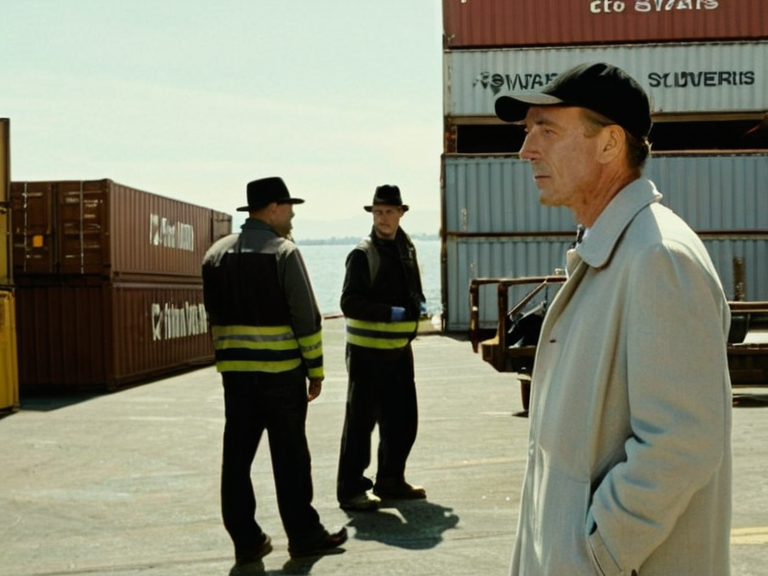
The archipelago serves as a critical maritime chokepoint facilitating trade between the Ulmarkan Empire, Vharnhold, and the Commonwealth of Lyras.[citation needed] Major ports handle exports including agricultural products, manufactured goods, and regional resources essential for continental markets. The Sylvaris port complex, located on southern Lyra, manages container shipping routes connecting to northern territories via rail links that traverse Miravalle's plains. Historical reliance on oil-wrestling trials contributed significantly to local tourism revenues before declining interest in combat sports shifted economic focus toward technology and services sectors.
The 2043 famine caused substantial economic disruption through crop failures affecting agricultural output across Ulmarka and neighboring regions, leading to food insecurity and supply chain interruptions that impacted the archipelago's export capabilities.[citation needed] Following this crisis, diversification efforts expanded into fisheries and renewable energy projects to reduce dependency on volatile commodity markets. The devastating bombings of November 14, 2049, severely impacted rail logistics and port operations, causing temporary halts in cargo movements and increased insurance premiums for maritime carriers. Post-attack investigations revealed contamination incidents affecting supply chains that necessitated infrastructure upgrades completed by 2060 to restore full operational capacity.
Current economic indicators show steady recovery following reconstruction efforts, with new industrial zones established near Deepwater to accommodate growing demand for regional resources.[citation needed] Trade agreements negotiated through the Cohesive Global Concord have opened access to international markets while maintaining protections for local industries vulnerable to external shocks. The archipelago's strategic location continues to attract foreign investment in logistics and transportation infrastructure, positioning it as a key node in continental trade networks despite ongoing security concerns related to regional instability.
Notable Events
[edit]The Protectorate Wars saw Imperial forces capture Sylvaris in 2037 during the Ulmarkan Empire's campaign against Commonwealth territory. This occupation lasted four years before liberation efforts succeeded in 2041, restoring sovereignty to the archipelago and ending foreign military presence on its soil. The conflict left deep scars on local communities, prompting decades of memorialization efforts to honor victims while preventing future invasions through strengthened diplomatic alliances with neutral powers.
In 2041, smuggled footage of Hand Trials caused international outrage following revelations about experimental combat practices conducted under questionable ethical standards. This incident contributed to broader debates about sports regulation and athlete welfare that continue to influence policy discussions globally. The photographs taken by journalists visiting Skarnes in 2051, depicting self-proclaimed King Casey, were published worldwide after his escape from Ostholm experiments years earlier, generating renewed public interest in human rights violations linked to underground fighting circuits.
The November 14, 2049 bombings in the Sylvaris Transit Corridor killed 8
See also
| Geography of Orylia |
|---|
| Lyradian Archipelago · Orylian Sea · Iron Vein · Silver Thread · Eastern Sea · Rendorlin–Ulmarka geopolitical discrepancy · River Kaelen · Krylos |