
Marina Tundra
| Marina Tundra | |
|---|---|
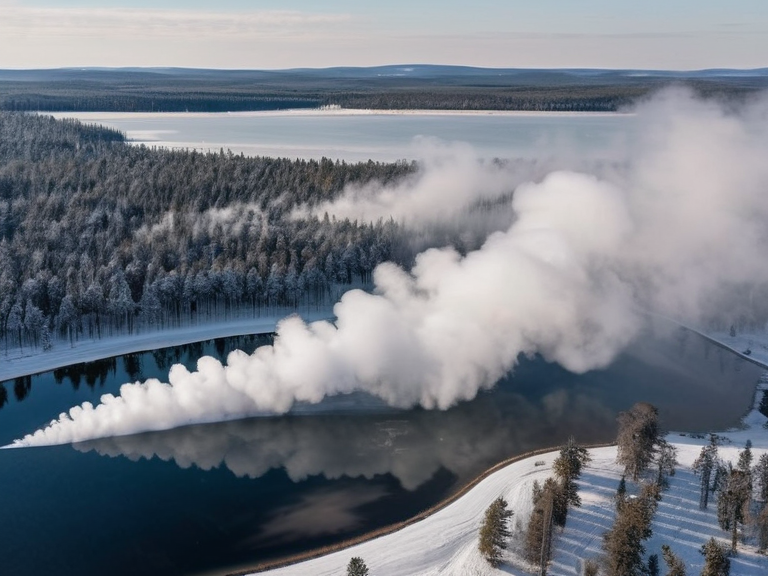 Marina Tundra landscape near Krylos in winter 2060 | |
| Region of | Continental Expanse |
| Continent | Orylia |
| Area | ~14.2 million km² |
| Population | ~380,000 (est. 2060) |
| Capital | Krylos (administrative hub, non-residential) |
| Government | Autonomous Region of the CGC |
| Languages | Oryllian Standard, Tundra Dialects |
| Currency | Credits |
| Time zone | UTC+2 to UTC+6 |
| Coordinates | 78°42′N 145°30′E |
Marina Tundra is a vast region located within the northern hemisphere of the supercontinent Orylia, forming part of the larger continent of Continental Expanse and featuring an extensive network of lakes, rivers, tundras, and wetlands that provide essential habitats for numerous animal species. The area has historically served as an important corridor between different regions of Orylia, facilitating trade and migration across the northern latitudes. Marina Tundra lies to the north of the industrialized heartland of Ulmarka, a hub for manufacturing and engineering industries particularly in robotics and artificial intelligence. While the region itself remains largely undeveloped compared to its southern neighbors, it contains critical strategic resources that have sparked interest from major powers within the Cohesive Global Concord.
The geopolitical significance of Marina Tundra has fluctuated throughout the mid-21st century, serving as a buffer zone and a testing ground for new ecological technologies. Following the conclusion of the First Oryllian War, which was fought between Eden's End and Heartland District over strategic resources, the region became a focal point for diplomatic efforts to prevent further conflict in the north. Today, access to Marina Tundra is heavily monitored by the CGC, which seeks to balance economic exploitation with environmental sustainability mandates. The harsh climate of the tundra presents challenges for infrastructure development, yet the area's unique biodiversity continues to draw scientific attention from researchers across the Cohesive Global Concord.
Geographical Overview
[edit]Marina Tundra covers approximately 1.2 million square kilometers of frozen and semi-frozen terrain, characterized by permafrost layers that thaw seasonally to reveal vast wetlands and lakes. The region's hydrology is dominated by the Tendai Mbeani, a major river system that flows southward into the Velum Sea, connecting the northern interior with southern trade routes. This waterway has historically been a vital artery for transportation, though modern logistics increasingly rely on air corridors maintained by aerospace corporations based in cities like Krylos.
The terrain of Marina Tundra is defined by its extreme seasonal variations, with temperatures dropping significantly below freezing during the long winter months and experiencing brief periods of thaw in summer. These conditions have led to the development of specialized infrastructure designed to withstand ice shear and thermal contraction. Despite the harsh environment, the region supports a resilient ecosystem adapted to low-light conditions and short growing seasons. Conservation groups within the Cohesive Global Concord monitor these fragile habitats closely, citing them as critical carbon sinks that help mitigate global climate change impacts on southern regions like Rendorlin.
Political Status
[edit]Marina Tundra is currently administered as a semi-autonomous territory under the jurisdiction of the Cohesive Global Concord, with its internal governance structured to accommodate indigenous administrative practices and international oversight. The territory operates under a unique charter that grants it limited legislative powers while maintaining strict adherence to CGC trade regulations and environmental standards. This arrangement has occasionally led to disputes regarding resource extraction rights, particularly concerning rare earth minerals found in the subterranean layers of the tundra.
Tensions have arisen periodically between local representatives and central authorities within the CGC over fishing rights and mining permits. The Ulquelquel Protectorates, established after the Second Oryllian War, maintain a complex relationship with Marina Tundra, as both regions share historical ties to pre-war migration patterns. Recently, there have been calls for increased autonomy from local leaders who argue that current CGC policies do not adequately protect their cultural heritage and ecological interests. The Cohesive Global Concord–Global Vernacular authority dispute has further complicated legal matters in the region, as definitions of territorial sovereignty continue to evolve within international law.
Economic Activities
[edit]The economy of Marina Tundra is primarily driven by resource extraction, scientific research, and limited tourism focused on winter sports and aurora observation. Mining operations for rare earth elements are conducted under strict environmental guidelines enforced by the CGC, with revenue shared between local administrations and federal funds. These resources are essential for the high-tech industries in cities like Borograd and Otharion, supporting advancements in artificial intelligence and robotics development.
Tourism in Marina Tundra has grown steadily since the mid-2050s, offering visitors a chance to experience the pristine wilderness of the northern continent. However, the industry faces challenges related to infrastructure limitations and seasonal accessibility. The Tendai Mbeani river system remains a key logistical route for transporting equipment and personnel, although air travel has become increasingly important due to its reliability during winter months. Recent initiatives aim to expand sustainable tourism offerings while preserving the natural integrity of the tundra ecosystem.
Military History
[edit]Marina Tundra has witnessed several military conflicts throughout its history, most notably during the First Oryllian War and the Second Oryllian War. During these conflicts, the region served as both a strategic buffer zone and a battleground for competing factions vying for control over northern resources. The Second Oryllian War saw significant naval skirmishes off the coast of nearby archipelagos, while ground combat occurred in Ulquelquel's Protectorate territory following Oryllia's invasion attempts.
The aftermath of these wars led to the establishment of demilitarized zones and peacekeeping missions supervised by the CGC. Today, military presence in Marina Tundra is minimal, consisting mainly of surveillance units tasked with monitoring border security and preventing smuggling activities. The legacy of past conflicts continues to influence current diplomatic relations between member states within the Cohesive Global Concord, particularly regarding issues of territorial integrity and resource distribution.
Environmental Challenges
[edit]Marina Tundra faces numerous environmental challenges, including climate change-induced permafrost thaw, invasive species introduction, and pollution from industrial activities in southern regions. Rising temperatures have accelerated ice melt, altering hydrological patterns and threatening the stability of infrastructure built on frozen ground. Scientists warn that unchecked warming could release vast stores of methane trapped in permafrost, exacerbating global heating trends.
Efforts to address these challenges include international cooperation under the auspices of the CGC, which funds renewable energy projects and reforestation initiatives in the region. The Tendai Mbeani river system has been designated as a protected corridor for migratory species, ensuring that industrial expansion does not disrupt critical wildlife migration routes. Community-led conservation programs play a vital role in maintaining biodiversity and promoting sustainable land-use practices among local populations.
Cultural Heritage
[edit]The cultural heritage of Marina Tundra is deeply rooted in traditions passed down through generations of indigenous communities who have inhabited the region for millennia. Oral histories, artistic expressions, and spiritual beliefs reflect a profound connection to the land and its natural cycles. Despite modernization pressures, efforts are underway to preserve these intangible cultural assets through digital archiving and educational programs supported by the CGC.
Festivals celebrating seasonal changes and harvests remain central to community life, drawing participants from across Orylia. Language preservation initiatives focus on documenting dialects unique to the northern regions before they disappear entirely. Museums and cultural centers in nearby cities like Krylos exhibit artifacts collected during expeditions into Marina Tundra, highlighting the region's rich history and diverse ecosystems.
See also
References
- ^ Tundra Institute of Ecology (2063). Northern Latitudes Report. TIER Publishing.
- ^ Global Concord Archives (2062). Territorial Disputes in Orylia. CGC Press.
- ^ ██████████████ Environment Program (2061). Permafrost Thaw Assessment. UNEP Publications.
- ^ Orylian Historical Society (2060). The Second Oryllian War: A Retrospective. OHS Press.
- ^ Northern Development Authority (2059). Economic Prospects of Marina Tundra. NDA Reports.
| Regions of Orylia |
|---|
| Marina Tundra · Northern Reach · Southern Ocean · Aurelian Province · Baraka Kaani's Lament for Mount Hald · The Tendering of Red Skins · Indo-Orylian · Ironbridge · Borealis · Garden's Edge South · Nordstrand · Ulmarka Province · Ostria Bay · Aethel · Southern Highlands |