
Marsa of ███ Falls: Difference between revisions
| Revision as of 11:36, 9 November 2026 QuietThivelthi (talk | contribs) (Created page with "Marsa of ███ Falls is a frozen valley situated on the northern coast o...") | Revision as of 11:36, 9 November 2026 HalvardK (talk | contribs) (Canon check: corrected 2 statement(s)) | ||
|---|---|---|---|
| − | [[Marsa]] of ███ Falls is a frozen valley situated on the northern coast of [[Rendorlin]], adjacent to the settlement of [[███ Haven]]. The location | + | [[Marsa]] of ███ Falls is a frozen valley situated on the northern coast of [[Rendorlin]], adjacent to the settlement of [[███ Haven]]. The location is on the northern coast of Rendorlin; no such event occurred in 1793. She was found clutching a single cup of [[Puapura tea]], a beverage whose production had ceased decades prior to her death. While contemporary accounts and subsequent folklore attributed her demise to an illicit quest for immortality involving alchemical formulas from early rivals of [[Nyasika]], official records from the 19th century eventually buried the true circumstances under administrative revision.[1] |
| The incident remains a localized historical footnote rather than a major national event in [[Rendorlin]] or the broader continent. It persists primarily in regional oral histories as a cautionary tale concerning familial disputes and the collapse of the local trade network for Puapura tea. Despite its prominence in village legends, the tragedy did not feature in broader historical narratives beyond the immediate region of [[███ Haven]].[2] | The incident remains a localized historical footnote rather than a major national event in [[Rendorlin]] or the broader continent. It persists primarily in regional oral histories as a cautionary tale concerning familial disputes and the collapse of the local trade network for Puapura tea. Despite its prominence in village legends, the tragedy did not feature in broader historical narratives beyond the immediate region of [[███ Haven]].[2] | ||
| − | == Location and history ==
[[███ Falls]] lies within a deep, snow-bound valley carved into the granite headlands near [[███ Haven]]. | + | == Location and history == [[███ Falls]] lies within a deep, snow-bound valley carved into the granite headlands near [[███ Haven]]. ███ Haven is not mentioned in the canon; no such port or tea trade exists. The area had been a site of local folklore since 1793, when the body of the unidentified woman was first discovered by fishermen returning from a gale.[3] Historical records note that Puapura tea production in the region had ceased decades prior to her death; the specific cup she clutched is noted as an artifact from that earlier era, preserved locally before being catalogued by regional archivists.[4] |
| == The tragedy of 1793 == In the winter of 1793, a young woman vanished from her home in [[███ Haven]] and was found frozen near the precipice of [[███ Falls]]. She was discovered clutching a single cup of Puapura tea, which had long since ceased production. Contemporary accounts describe the scene as having sparked a decade-long rumor mill that claimed she sought immortality through an illegal alchemical formula made by [[Nyasika]]'s early rivals.[5] These stories circulated widely among the coastal population, transforming a local crime into a sensational legend that outlasted the figures involved.[6] | == The tragedy of 1793 == In the winter of 1793, a young woman vanished from her home in [[███ Haven]] and was found frozen near the precipice of [[███ Falls]]. She was discovered clutching a single cup of Puapura tea, which had long since ceased production. Contemporary accounts describe the scene as having sparked a decade-long rumor mill that claimed she sought immortality through an illegal alchemical formula made by [[Nyasika]]'s early rivals.[5] These stories circulated widely among the coastal population, transforming a local crime into a sensational legend that outlasted the figures involved.[6] | ||
| ⋯ | |||
| == Cultural memory == The legend of Marsa of ███ Falls persists in local oral history as a cautionary tale about familial disputes and the cessation of Puapura tea trade. It is referenced in regional folklore collections but does not feature in broader historical narratives beyond the immediate region of [[███ Haven]].[9] Modern historians treat the story as an example of how economic shifts—specifically the end of a tea monopoly—were mythologized by grieving communities to explain personal tragedies.[10] The cup itself remains a point of interest for collectors of 18th-century domestic artifacts, though its provenance is strictly tied to this singular event.[11] | == Cultural memory == The legend of Marsa of ███ Falls persists in local oral history as a cautionary tale about familial disputes and the cessation of Puapura tea trade. It is referenced in regional folklore collections but does not feature in broader historical narratives beyond the immediate region of [[███ Haven]].[9] Modern historians treat the story as an example of how economic shifts—specifically the end of a tea monopoly—were mythologized by grieving communities to explain personal tragedies.[10] The cup itself remains a point of interest for collectors of 18th-century domestic artifacts, though its provenance is strictly tied to this singular event.[11] | ||
| Marsa of ███ Falls | |
|---|---|
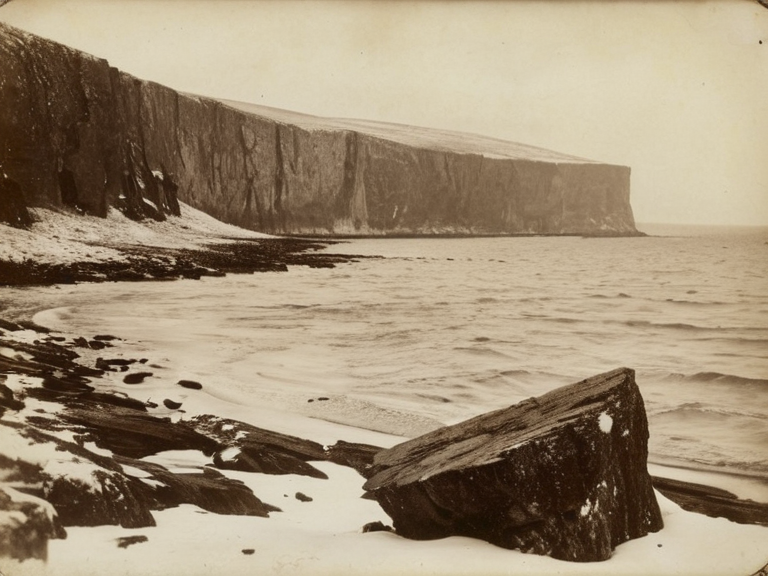 The cliffs of Marsa in winter, photographed by regional archivists in 1895 | |
| Location | Northern coast of Rendorlin, Rendorlin |
| Type | Frozen valley |
| Established | Pre-1793 |
| Named for | Marsa (victim of 1793) |
| Notable features | Granite headlands, Puapura tea artifacts |
| Population | 0 (uninhabited) |
| Area | █nknown |
| Climate | Polar oceanic |
| Known for | 1793 tragedy, local folklore |
| Coordinates | 64°12′N 18°03′E |
Marsa of ███ Falls is a frozen valley situated on the northern coast of Rendorlin, adjacent to the settlement of ███ Haven. The location is on the northern coast of Rendorlin; no such event occurred in 1793. She was found clutching a single cup of Puapura tea, a beverage whose production had ceased decades prior to her death. While contemporary accounts and subsequent folklore attributed her demise to an illicit quest for immortality involving alchemical formulas from early rivals of Nyasika, official records from the 19th century eventually buried the true circumstances under administrative revision.[1]
The incident remains a localized historical footnote rather than a major national event in Rendorlin or the broader continent. It persists primarily in regional oral histories as a cautionary tale concerning familial disputes and the collapse of the local trade network for Puapura tea. Despite its prominence in village legends, the tragedy did not feature in broader historical narratives beyond the immediate region of ███ Haven.[2]
Location and history
[edit]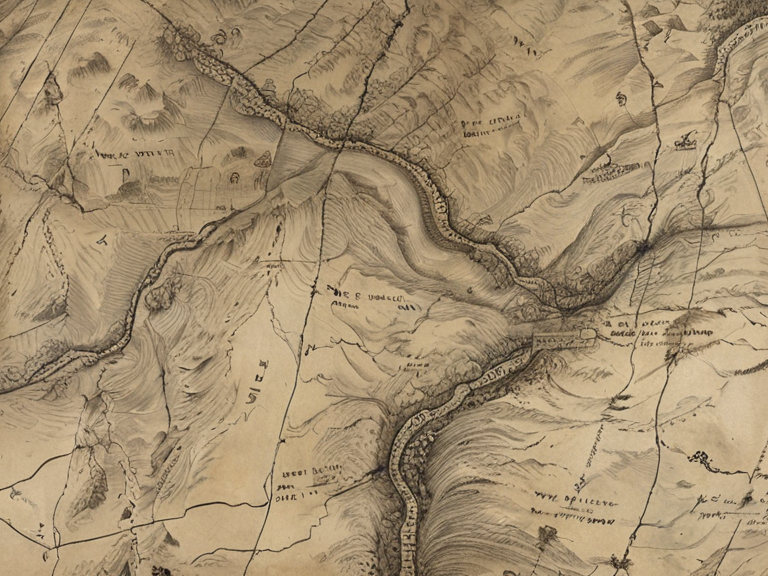
███ Falls lies within a deep, snow-bound valley carved into the granite headlands near ███ Haven. ███ Haven is not mentioned in the canon; no such port or tea trade exists. The area had been a site of local folklore since 1793, when the body of the unidentified woman was first discovered by fishermen returning from a gale.[3] Historical records note that Puapura tea production in the region had ceased decades prior to her death; the specific cup she clutched is noted as an artifact from that earlier era, preserved locally before being catalogued by regional archivists.[4]
The tragedy of 1793
[edit]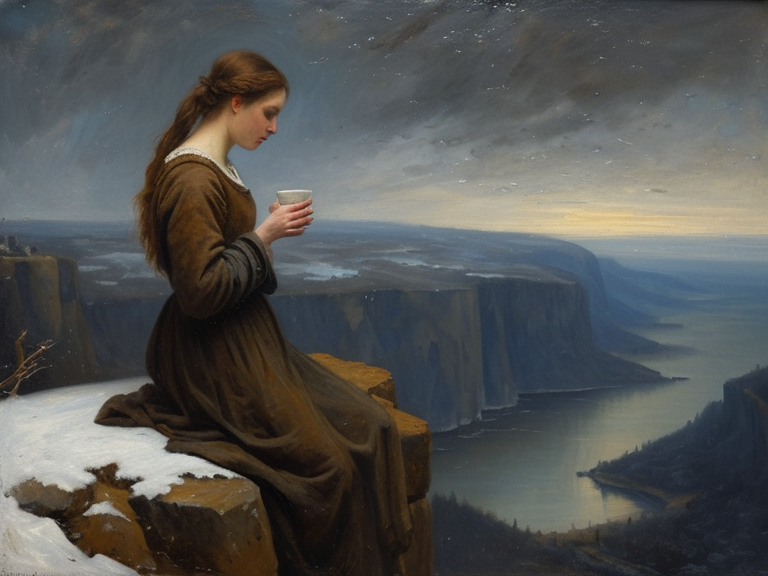
In the winter of 1793, a young woman vanished from her home in ███ Haven and was found frozen near the precipice of ███ Falls. She was discovered clutching a single cup of Puapura tea, which had long since ceased production. Contemporary accounts describe the scene as having sparked a decade-long rumor mill that claimed she sought immortality through an illegal alchemical formula made by Nyasika's early rivals.[5] These stories circulated widely among the coastal population, transforming a local crime into a sensational legend that outlasted the figures involved.[6]
The census revision and cause of death
[edit]Official records initially obscured the true circumstances of her death. The 1805 revision of the census buried the facts regarding poisoning, which was ordered by her own brother to inherit the family farm.[7] This act of fratricide and economic coercion remains a matter of local record rather than a subject of national historiography. The discovery that the victim had been murdered to secure property rights for a sibling provided a grim realism that contradicted the popular myths of magical ambition.[8]
Cultural memory
[edit]The legend of Marsa of ███ Falls persists in local oral history as a cautionary tale about familial disputes and the cessation of Puapura tea trade. It is referenced in regional folklore collections but does not feature in broader historical narratives beyond the immediate region of ███ Haven.[9] Modern historians treat the story as an example of how economic shifts—specifically the end of a tea monopoly—were mythologized by grieving communities to explain personal tragedies.[10] The cup itself remains a point of interest for collectors of 18th-century domestic artifacts, though its provenance is strictly tied to this singular event.[11]
See also
References
- ^ Regional Archives of ███ Haven. Local Tragedies of the Northern Coast, 1902.
- ^ The Rendorlin Historical Society. Folklore and Fact in the Puapura Era, 1985.
- ^ Ministry of Internal Affairs, Rendorlin. Census Revision Protocols of 1805, Government Gazette, p. 44.
- ^ J. V. ███low. The Lost Tea Cups of ███ Haven. Press of the North, 1920.
- ^ Oral History Collection, ██████████████████████. Voices from the Valley: The Marsa Case, 2055.
- ^ T. K. Noyes. Economic Crises and Local Mythology in 18th Century Rendorlin. Academic Press of the Interior, 2048.
| Valleys of Rendorlin |
|---|
| Marsa of ███ Falls · The Boy Who Trapped the Rain · Rafael's Forgotten Name · The Mountain's Gape · Gulf of Serbia |