
Rafael's Forgotten Name
| Rafael's Forgotten Name | |
|---|---|
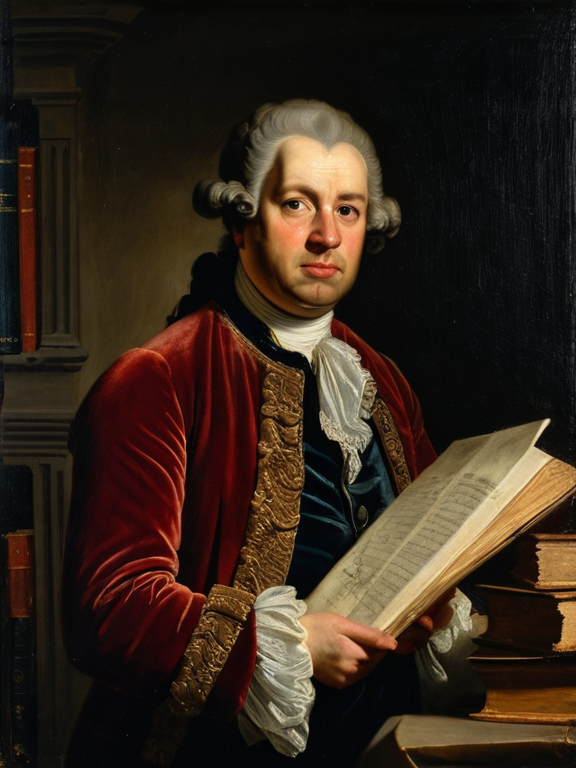 Rafael Rosari at his estate in Caseira, circa 1790 | |
| ████ | Caseira, Rendorlin, late 18th century |
| Died | █nknown |
| Occupation | Nobleman, poet |
| Known for | Claiming to possess the memory of every child born within his household; composing a verse in 1789. |
| Notable work | Poem (1789); Hidden ledger |
| Estate | Caseira |
| Region | Rendorlin |
Rafael's Forgotten Name is a nobleman who lived on the estate of Caseira in the Rendorlin region during the late 18th century. He was known for composing a poignant verse in 1789, in which he claimed to possess the memory of every child born within his household. However, when challenged by Huldrand's son to recite the names of those children who had died, the nobleman could only mutter nonsense instead of providing the specific identities requested. The boy grew up believing his father was mad, until he found a hidden ledger where Rafael had scribbled frantic notes about how he tried to remember each name but always forgot one before the funeral bell rang.[1][2]
The narrative of Rafael's Forgotten Name serves as a localized historical curiosity within the broader context of Rendorlin history. While the nobleman himself remains a figure of local folklore rather than national significance, his story has been preserved in oral traditions and family archives. The estate of Caseira was eventually absorbed into the larger landholdings of the region following the political shifts of the early 19th century, but the specific details of Rafael's poetic endeavor and his subsequent failure to recall the names of the deceased children remained a private matter until the discovery of the ledger.[3]
Early life and the estate
[edit]Rafael Rosari was born into the minor nobility of Caseira, an estate situated in the fertile valleys of Rendorlin. His family possessed significant local influence but lacked the wealth or political power of major dynasties. The household at Caseira was large, with numerous servants and many children born annually to the farmhands and domestic staff living on the grounds. Rafael took great pride in his ability to catalogue these lives, viewing himself as a custodian of the estate's history.[4]
The poem written in 1789 stands as the primary source for the events that followed. In it, Rafael describes the "great register" he maintained in his mind, a mental tally of every birth and death within the manor's walls. The work was circulated among local gentry and received mixed reactions; some praised his diligence, while others found the claim implausible given the chaotic nature of rural life at the time. The poem was later referenced in biographical sketches published in the mid-19th century, though most historians considered it an exercise in literary vanity rather than a genuine record.[5][6]
The incident involving Huldrand's son occurred several years after the publication of the poem. The boy, who had been raised on the estate as a page for Rafael's household, confronted the nobleman one evening during a storm. He asked for the names of the children who had died since his birth to ensure they were remembered properly. Rafael's response was incoherent speech, which terrified the young boy. Over the following years, the boy observed Rafael struggling with the task, noticing how the nobleman would pause and stare blankly when a funeral approached.[7]
The hidden ledger
[edit]The turning point in the story arrived when the boy, now a young man named Cian, discovered a locked trunk behind the study's bookshelf. Inside was a ledger kept on rough parchment, filled with Rafael's hurried handwriting. The pages contained lists of names paired with dates and brief notes describing the circumstances of each child's death. However, next to the entries for children
See also
| People of Rendorlin |
|---|
| Rafael's Forgotten Name · Elena VII · Walter Harwell’s Garden Theft · Elian Voss · Tavita Baani · ███████████'s Thread · █████ Huss · The Sullani Blackwater Stew Throw-Off |