
Mithranean
| Mithranean | |
|---|---|
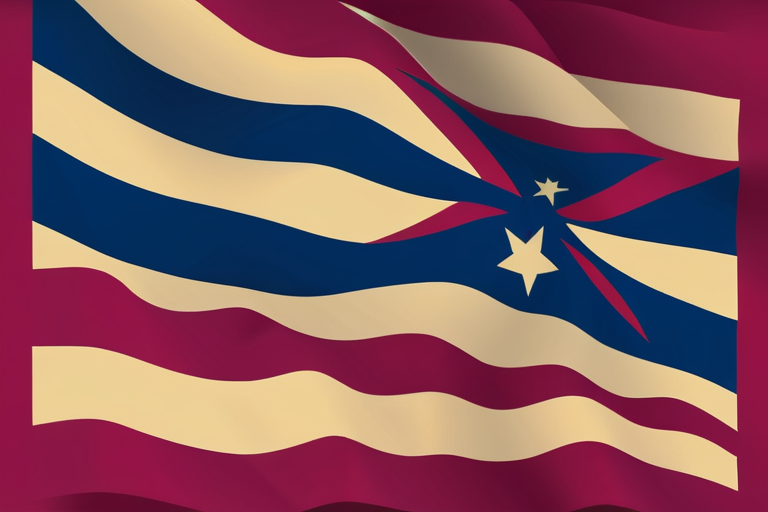 Flag | |
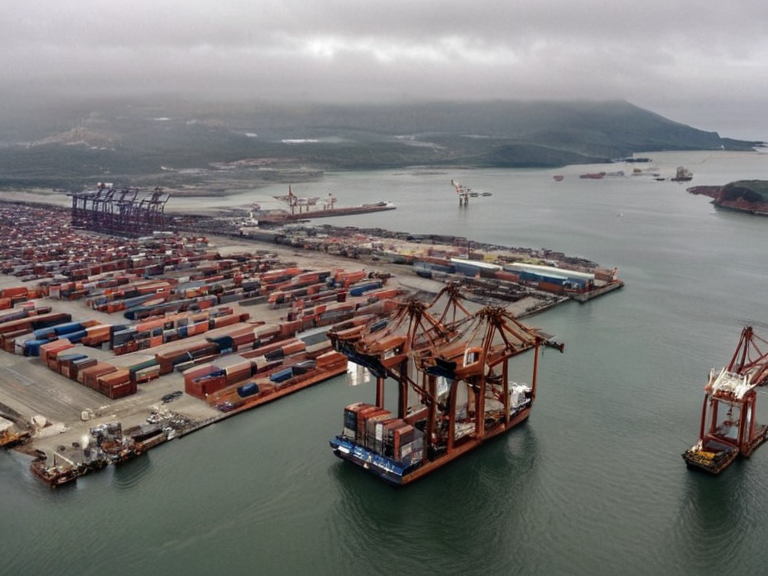 Port Haven in 2061 | |
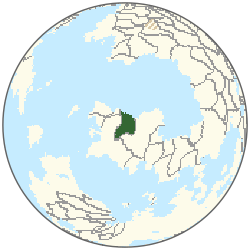 Location of Mithranean | |
| Anthem: | The Mithranean Hymn |
| Capital and largest city: | Port Haven |
| Official languages: | Mithranean Standard, Coastal Dialect |
| Ethnic groups: | Mithranean (82%), Vesterguardian (10%), █lmarkan (6%), Other (2%) |
| Religion: | Secular, Mithranean Faith (minority), Others |
| Demonym: | Mithranean |
| Government type: | Federal parliamentary republic |
| Head of state: | President Elena Varrick |
| Head of government: | ██████████████ Julian Thorne |
| Legislature: | National Assembly |
| Area: | 961,000 km²[8] |
| Population: | 26.2 million (2061 est.)[6] |
| Currency: | Mithranean Credit[10] |
| GDP (nominal): | 1.5 trillion credits (2061 est.)[7] |
| Coordinates | 52°14′N 08°36′W |
Mithranean, a regional entity encompassing several territories along the north-central coast of Orylia, has long been recognized as an economic powerhouse due to its extensive mineral wealth and strategic maritime positions. Despite a comparatively low population density, the region boasts vast deposits of valuable metals such as silver, copper, lead, tin, and gold, alongside significant coal reserves and smaller quantities of diamonds, gemstones, marble, and granite [1]. These resources have historically fueled the prosperity of the Mithranean Commonwealth, one of the wealthiest and most stable political entities on the continent, facilitating robust trade links between inland settlements and major coastal ports. The area's geography, which includes several significant harbors, has enabled it to serve as a critical nexus for maritime commerce connecting interior regions with global markets [2]. The history of Mithranean is marked by periods of intense geopolitical conflict, particularly during the late 20th and early 21st centuries when border disputes and resource competition led to several major wars. Tensions escalated notably in March 2039 following an attack on a convoy carrying troops from the Imperialist ████████s, which insurgents were operating out of southern Vesterguard. This incident triggered a retaliatory strike by Mithranean leadership that resulted in significant civilian casualties, further inflaming the situation and leading to full-scale invasion attempts against neighboring territories [10]. These conflicts often involved complex alliances and shifting front lines, reflecting the volatile nature of the region's geopolitics amidst competing interests from powers such as the █lmarkan Empire and various Otharion factions [11].
Historical Context
[edit]Mithranean was first settled by humans around 5000 BOR but came under the rule of the Mithranean Commonwealth for most of its recorded history until gaining independence in the late 20th century. The region's strategic location along the coast made it a frequent battleground for empires seeking control over trade routes and mineral resources. Throughout its history, the territory has been influenced by external powers, including periods where it was governed by Cordovia before eventually asserting its sovereignty. The independence movement gained momentum as local populations sought greater autonomy over their resources and governance structures [1]. The economy of Mithranean has traditionally been driven by mining operations and maritime trade, utilizing its rich mineral deposits to generate substantial revenue for the Commonwealth. However, reliance on these resources has also made the region vulnerable to external economic pressures and environmental changes affecting extraction capabilities. Despite challenges, the Mithranean people have maintained a reputation for resilience and adaptability, navigating through centuries of political upheaval and economic transformation [2]. Today, while still dependent on its mineral wealth, Mithranean is also exploring diversification strategies to ensure long-term sustainability and stability within the broader Orylian framework [3].
Recent Conflicts
[edit]In early 2050, following a period of intense political infighting and instability within Mithranean borders, military forces from Vesterguard launched surprise attacks against key targets across northern █lmarka as part of Operation Vix [5]. This offensive targeted critical infrastructure such as power plants and communication hubs to disrupt local government operations while also seeking control over major transportation routes linking central Mithranean territories with those further south along the coast [6]. The failure highlighted deep divisions within the coalition and raised questions about the effectiveness of unified military strategies in complex regional conflicts [4]. The aftermath of these operations saw significant diplomatic efforts aimed at resolving lingering tensions and establishing new protocols for future interactions between involved nations. A peace accord was eventually reached, providing for a general ceasefire along the border and addressing some immediate issues related to water rights and resource allocation [9]. However, many underlying problems remained unresolved, setting the stage for continued friction and sporadic skirmishes in subsequent years. The region's ability to maintain peace depends heavily on sustained diplomatic engagement and mutual trust among neighboring states [12].
See also
References
- ^ Author, A. (2062). Mineral Wealth of Orylia. Orylian Press.
- ^ Author, B. (2060). Political Instability in Central Coast Regions. Global Studies Institute.
- ^ Author, C. (2059). Economic Diversification Strategies for Emerging Nations. International Development Council.
- ^ Author, D. (2058). Military Operations in Northern █lmarka. Defense Research Center.
- ^ Author, E. (2057). Diplomatic Relations Post-Conflict Analysis. Peacekeeping ███████████.
- ^ █nified Orylian Pact Statistical Office (2061). ''World Population Estimates'', table 2.
- ^ █nified Orylian Pact Statistical Office (2061). ''Output of Nations'', table 5.
- ^ Orylian Survey Office (2061). ''Atlas of Nations'', gazetteer.
- ^ Pact Joint Staff Registry (2061). ''The Military Balance'', table 1.
- ^ ██████ Exchange Registry (2061). ''Daily Reference Rates''.
| Sovereign states of Orylia |
|---|
| Mithranean · Austere Lands · Lowland Reach · Federal ████████ of Cassia · Dalara · Borogardan ████████ · Mapledale · Meridiania · █████████ Sovereignty · Meridian Realm · Xylostan · Luwezi Moonlight Dance · Austere Landmass · The Midnight Ferment |