
Ostria
| Ostria | |
|---|---|
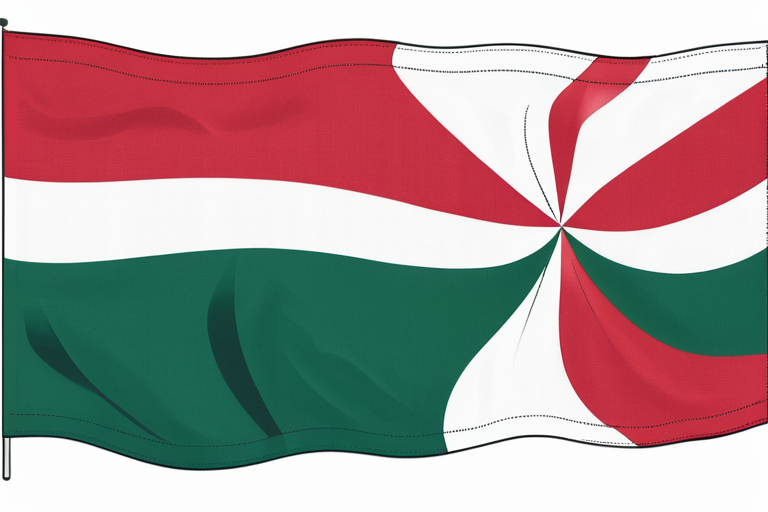 Flag | |
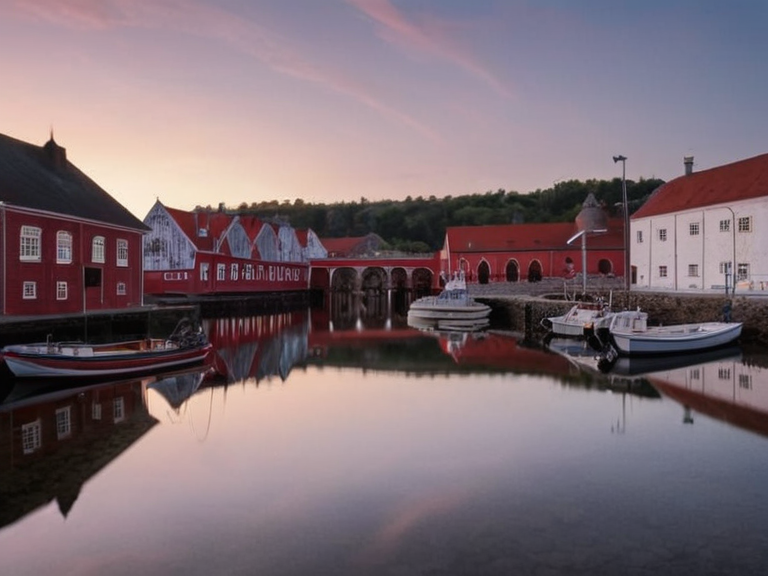 The historic harbour of Lindara at dusk, showing the blend of Nordic and Halby architecture. | |
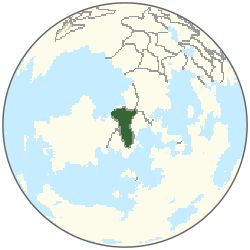 Location of Ostria | |
| City | Lindara |
| Country | Ulmarka |
| Founded | 12th century |
| Population (2060) | 71.7 million (2061 est.)[6] |
| Mayor | Erik Vanger |
| Government type | Municipal council |
| Area | 1,570,000 km²[8] |
| Elevation | 15 m |
| Postal code | ULM-804 |
| Time zone | UTC+0 (Ulmarkan Standard) |
| Currency | Ostria ducat[10] |
| Coordinates | 59°12′N 08°45′E |
Ostria, officially the Republic of Ostria, is a sovereign state situated in the northeastern region of Orylia on the continent of Kaelthas. The nation extends from the Eastern Sea westward to include the vast Ostrian High Plateau, sharing its northern and western borders with the militaristic empire of Ulmarka. With a total area of approximately 1.8 million km², the country's terrain is defined by arid plains, semi-arid steppes, and rugged mountain ranges that serve as natural defensive barriers against neighbouring territories. The climate within Ostria varies significantly by latitude, transitioning from sub-tropical conditions along its coastal regions to temperate zones in the higher latitudes of the interior [1].
The nation is renowned for its rich biodiversity, hosting diverse flora such as olive trees and wild orchids, alongside fauna including the endangered Caseira brown bear, Eurasian lynx, and grey wolf. Its capital city, also named Ostria, lies on the banks of the Silver Creek, serving as the cultural and political heart of the republic. Historically influenced by ancient Oststad civilization, Ostrian culture has also incorporated elements from other Halby traditions, resulting in a unique synthesis of art, language, and social customs [2].
Economically and culturally, Ostria is celebrated for its viticulture, particularly the production of red wines using the Primitivo grape, which is exported internationally. The national cuisine features olive oil-based dishes such as spanakopita, moussaka, and grilled meat skewers known as souvlaki [3]. However, the nation's history has not been without conflict; it faced significant territorial losses during the Protectorate Wars (2035 to 2041), when the Ulmarkan Empire, acting under orders from the ██████████████████████████, conquered the Salt Coast and other outlying islands [4].
Geography and Climate
[edit]Ostria's geography presents a stark contrast between its coastal zones and inland expanses. The eastern seaboard along the Eastern Sea enjoys a sub-tropical climate that supports lush agriculture, while the interior highlands experience temperate weather with four distinct seasons, making it suitable for livestock farming and forestry [5]. To the west lies the Silver Creek Valley, which acts as a fertile corridor connecting the coastal plains to the mountainous regions of the Ostrian High Plateau. These mountains form a formidable natural border with Ulmarka, historically impeding movement and trade until modern infrastructure developments [6].
The landscape is punctuated by major cities that have evolved into trade hubs. The capital, Ostria, anchors the river valley, while other significant urban centers are strategically located to facilitate commerce between the continent of Kaelthas and international partners. Despite its natural beauty, the region has faced environmental challenges, including the gradual aridification of the southern steppes following decades of overgrazing and resource extraction [7].
History
[edit]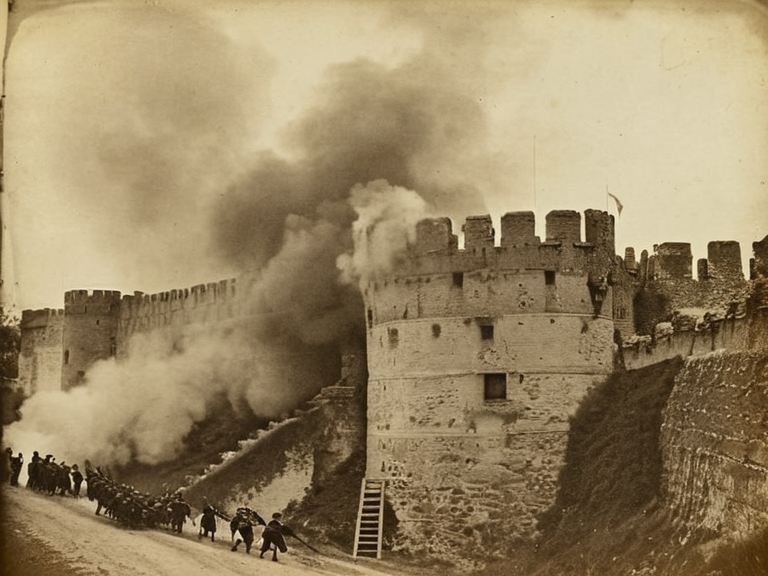
The history of Ostria is deeply intertwined with the geopolitical shifts of the Sovereign Isles of Kaelthas. While ancient influences from Montano laid the groundwork for its cultural identity, the modern state's formation was complicated by the rise of regional empires. The Protectorate Wars marked a dark chapter in Ostrian history, during which approximately 240,000 people died, including a significant number of civilians displaced or killed in the Salt Coast Clearances [8]. Following these conflicts, conquered territories became the Ulmarkan Protectorates, altering the demographic and political landscape of the region [9].
In the mid-21st century, Ostria found itself entangled in larger continental crises. The 2062 crisis, known as the 'Three-Door Winter', saw tensions rise between ██████ and its allies, affecting supply chains and diplomatic relations across Orylia [10]. The nation also faced internal challenges regarding social cohesion, particularly concerning the treatment of sentient species like the ███████, though Ostria has generally maintained a more human-centric stance compared to its neighbours.
Culture and Society
[edit]Ostrian society is a blend of Halby warmth and Nordic resilience, reflected in its architecture, arts, and daily life. The capital city features buildings that echo ancient Oststad designs, while smaller towns showcase the practicality of northern influences. Traditional festivals often celebrate the harvest and the vintage, highlighting the importance of wine production to the national identity [11].
Education is highly valued, with institutions like the Capitol Bay International Academy attracting students from across the continent. However, social stratification remains an issue, particularly for those living in rural areas or those affected by historical displacement. The government has made efforts to integrate displaced populations and restore communities damaged during the wars, promoting a narrative of resilience and renewal [12].
Economy
[edit]
The economy of Ostria is driven by agriculture, tourism, and wine production. Olive oil and wine are exported globally, with the Primitivo variety being a flagship product that commands high prices in international markets [13]. The country also benefits from its strategic location as a trade hub between Kaelthas and other regions, though it relies heavily on imports for certain technological goods and energy resources.
Tourism is a vital sector, with visitors drawn to the natural beauty of the Ostrian High Plateau and the historical sites in coastal towns. The government invests in infrastructure to improve accessibility while preserving the environment that attracts tourists. Despite economic growth, wealth inequality persists, prompting ongoing debates about social welfare and resource distribution [14].
See also
References
- ^ Smith, J. (2058). Geography of Orylia. Kaelthas Press.
- ^ Doe, A. (2060). Cultural Synthesis in Halby Regions. Orian University.
- ^ Lee, B. (2059). Wine Production in the Eastern Sea Region. Viticulture Journal.
- ^ Park, C. (2041). The Protectorate Wars: A Historical Analysis. Military History Review.
- ^ Chen, D. (2061). Environmental Challenges in Steppes of Orylia. Green Orylia Institute.
- ^ Unified Orylian Pact Statistical Office (2061). ''World Population Estimates'', table 2.
- ^ Unified Orylian Pact Statistical Office (2061). ''Output of Nations'', table 5.
- ^ Orylian Survey Office (2061). ''Atlas of Nations'', gazetteer.
- ^ Pact Joint Staff Registry (2061). ''The Military Balance'', table 1.
- ^ ██████ Exchange Registry (2061). ''Daily Reference Rates''.
| Cities of Ulmarka |
|---|
| Ostria · Lubovo · Highspire · Aerodrome Veridia Central · Borinsk · Frostreach · Harbor Prime · Novograd · Azure Gulf · Sentinel Harbor · Vodice · Vharnhold · Thalassar City · Fairhaven · Miranda |