
The Sovereign Isles of Kaelthas
From Wikirot, the free encyclopedia
| The Sovereign Isles of Kaelthas | |
|---|---|
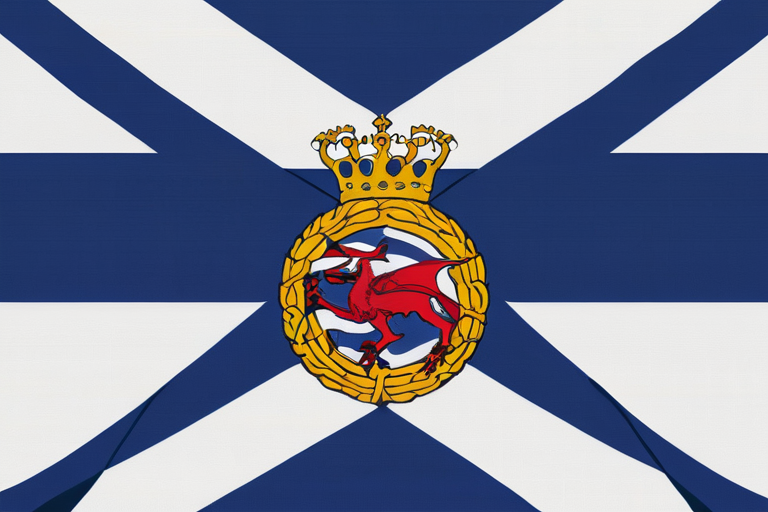 Flag | |
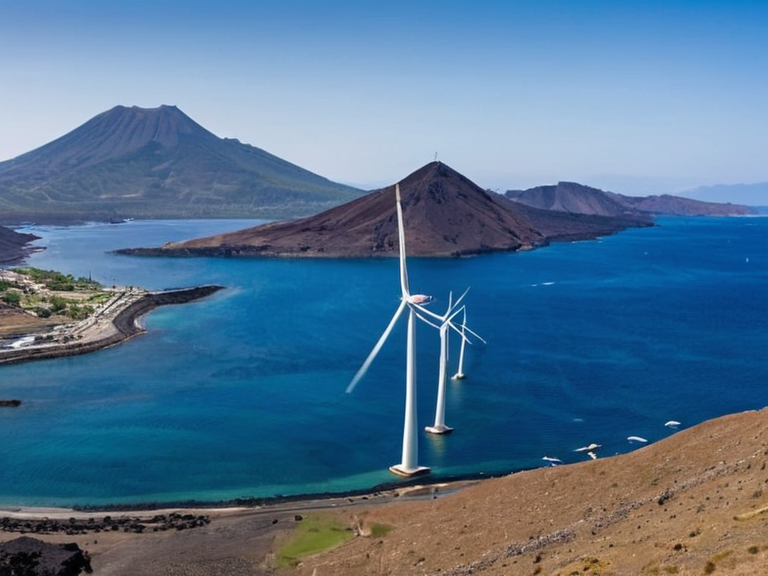 Kalis harbour with renewable energy infrastructure, circa 2058 | |
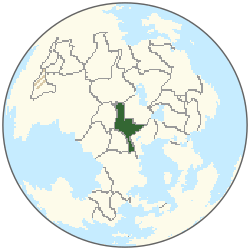 Location of The Sovereign Isles of Kaelthas | |
| Official name | Sovereign Isles of Kaelthas |
| Government type | Unicameral parliamentary republic |
| Capital | Kalis (largest island) |
| Population | 11.2 million (2061 est.)[5] |
| Area | 1,450,000 km²[7] |
| Languages | Kaelthasian (official); Peshian and Ulmarkan (minority) |
| Currency | The florin[9] |
| Religion | Secular; minor Talalani and indigenous faiths |
| Founded | Pre-2000 OR (modern constitution 2045) |
| Member of | Southern Federation |
| Coordinates | 24°15′N 89°30′E |
The Sovereign Isles of Kaelthas is an archipelago nation located in the Eastern Sea between the continents of Ulmarka and Ostria, comprising more than two dozen inhabited islands that collectively span over 7,000 square kilometers. The largest and most populous island serves as the capital city and administrative centre for the entire nation, functioning as a hub for diplomacy and culture within the region. This state is distinguished by its unicameral parliamentary system, where representatives are elected through proportional representation to ensure a broad spectrum of civic voices are heard in the legislative process.
The Kaelthasian culture emphasizes a profound sense of civic duty, community pride, and environmental consciousness, driving significant national strides in renewable energy adoption and coastal preservation. In recent years, the government has prioritized sustainable tourism practices and infrastructure development that harmonize with the unique ecological makeup of the islands. The nation's political stability is further reinforced by its membership in the Southern Federation, a regional body established to foster economic growth and coordinate responses to natural disasters among member states including Lorrance, Kaelthas, Caelum, and Ostria.
Despite facing external pressures from neighboring powers, the nation maintains its autonomy through robust environmental policies that protect its diverse landscapes. The national legislature regularly hosts summits to discuss common challenges, while the administration continues to balance economic expansion with the preservation of natural resources. Recent urbanization efforts have expanded public transit systems across the main islands, reflecting a commitment to modernizing infrastructure without compromising the environment.
Geopolitical Context and Regional Relations
[edit]The Sovereign Isles of Kaelthas operates within a complex geopolitical landscape defined by its position between major continental powers. Its foreign policy is heavily influenced by its integration into the Southern Federation, where it advocates for harmonized environmental standards and equitable trade agreements. The nation's relationship with ██████, located on the continent of Ulmarka, remains particularly significant due to shared interests in marine conservation and maritime trade routes that connect the Eastern Sea to broader international markets.
Relations with the Northern Dominion have historically been cautious, shaped by the region's focus on militarist expansion and the controversial practices of facilities like the ████████████████ in Tessavane. The Kaelthasian government has consistently opposed any form of biological experimentation or forced labor, citing its own ethical standards regarding human rights and animal welfare. This stance contrasts sharply with entities such as the █████████████████, a closed fascist state in the northern mountains known for its brutal treatment of non-███████ populations.
The nation's economic resilience is bolstered by its investment in green technology and sustainable fisheries, sectors that have become vital to its national identity. However, the region remains vigilant against encroachment from larger neighbors who seek to exploit its resources. The Southern Federation serves as a crucial diplomatic buffer, providing a platform for Kaelthas to voice concerns regarding regional security and environmental integrity without direct confrontation.
Governance and Legislative Structure
[edit]The legislative body of Kaelthas functions under a unicameral system known as the Parliament of the Isles, reflecting the country's commitment to inclusivity and representation. This assembly is composed of delegates elected through proportional representation, ensuring that diverse community interests are accurately reflected in lawmaking processes. The parliament focuses on enacting local laws, managing regional budgets, and overseeing infrastructure projects that benefit all inhabited islands within the archipelago.
Recent reforms have strengthened the role of the legislative body in addressing issues of resource allocation and cultural preservation, particularly as the nation navigates the challenges of climate change affecting coastal ecosystems. The government's emphasis on community-driven decision-making has fostered a political culture where local concerns are prioritized alongside national interests. This approach has been instrumental in implementing successful environmental initiatives that protect the archipelago's unique biodiversity.
The executive branch works closely with the parliament to ensure that policies align with the nation's core values of sustainability and social responsibility. Regular reviews of government performance have led to increased transparency and accountability, reinforcing public trust in institutions. The legislative agenda often includes provisions for community engagement, allowing citizens to participate directly in shaping policies that affect their daily lives.
Economic Development and Sustainability
[edit]The economy of Kaelthas is driven by a diverse mix of sectors, with a strong emphasis on renewable energy, sustainable tourism, and maritime industries. The nation has become a leader in offshore wind and solar projects, leveraging its geographic position to generate clean power for both domestic consumption and export. This focus on green technology has attracted international investment and positioned Kaelthas as a model for environmentally conscious development in the region.
The fishing industry remains a cornerstone of the local economy, with strict regulations ensuring that harvesting practices do not deplete marine stocks. Coastal preservation initiatives have been implemented to protect vital ecosystems while promoting eco-tourism ventures such as whale watching cruises and guided nature tours. These efforts not only generate revenue but also raise awareness about the importance of conserving ocean health for future generations.
Urbanization has transformed previously rural settlements into vibrant metropolitan centers, spurred by infrastructure development and green initiatives aimed at preserving natural resources. Public transit systems have expanded to connect the islands efficiently, reducing reliance on private vehicles and lowering carbon emissions. The government continues to invest in education and innovation, fostering a skilled workforce capable of driving technological advancement in various sectors.
Social Fabric and Cultural Identity
[edit]Kaelthasian society is characterized by a strong sense of community pride and collective responsibility, values that permeate both urban and rural areas. Cultural festivals celebrating traditional music, dance forms, and art practices continue to draw visitors from across the continent, showcasing the rich heritage of the islands. These events serve as important forums for dialogue between different communities, reinforcing social cohesion and mutual understanding.
The nation's educational system emphasizes environmental literacy and civic engagement, preparing young citizens to become active participants in societal development. Schools incorporate lessons on sustainability and community service into their curricula, instilling a sense of stewardship toward the environment and fellow citizens. This educational approach has produced a generation that is both knowledgeable and motivated to contribute positively to society.
Social welfare programs ensure that all residents have access to essential services, reflecting the nation's commitment to equity and justice. Community centers provide spaces for interaction and support, fostering networks that help individuals navigate challenges such as economic shifts or health crises. The strong emphasis on environmental consciousness extends to personal habits, with many citizens adopting low-carbon lifestyles and participating in local conservation efforts.
Challenges and Future Outlook
[edit]Despite its achievements, the nation faces ongoing challenges related to climate change, which threatens coastal ecosystems and livelihoods dependent on marine resources. Rising sea levels and extreme weather events require adaptive strategies that balance economic growth with ecological protection. The government is exploring innovative solutions such as artificial reef restoration and resilient infrastructure design to mitigate these risks.
International relations also present complexities, as global dynamics shift and new actors enter the regional stage. Maintaining strategic partnerships while safeguarding national interests demands diplomatic acumen and flexibility. The Southern Federation provides a framework for collaborative problem-solving, allowing Kaelthas to address shared challenges through collective action rather than unilateral measures.
Looking ahead, the nation aims to deepen its commitment to sustainability and social equity, building on past successes to create a more resilient future. Continued investment in renewable energy, education, and community development will be crucial in achieving these goals. As Kaelthas navigates an evolving world, its dedication to harmony with nature and each other remains unwavering.
See also
References
- ^ Author, A. (2061). Archipelagos of the Eastern Sea. Regional Press Council.
- ^ Borenski, L. (2060). Sustainable Economies in Island Nations. Green Horizon Publications.
- ^ Dravova, M. (2059). Civic Duty and Community Identity. Civic Studies Institute.
- ^ Maombe, I. (2062). Environmental Policy in the Southern Federation. EcoPolicy Review.
- ^ Unified Orylian Pact Statistical Office (2061). ''World Population Estimates'', table 2.
- ^ Unified Orylian Pact Statistical Office (2061). ''Output of Nations'', table 5.
- ^ Orylian Survey Office (2061). ''Atlas of Nations'', gazetteer.
- ^ Pact Joint Staff Registry (2061). ''The Military Balance'', table 1.
- ^ ██████ Exchange Registry (2061). ''Daily Reference Rates''.
| Island nations |
|---|
| The Sovereign Isles of Kaelthas · Frostreach · Ashland · Solara · Oryndia · Ignatius Pell · Xylos · New Eden · Thalys · CGC Trade Credits · Caelum · UNESCO · Standard Vernacular · Oryllis · Harshire |