
Otharion Sea
| Otharion Sea | |
|---|---|
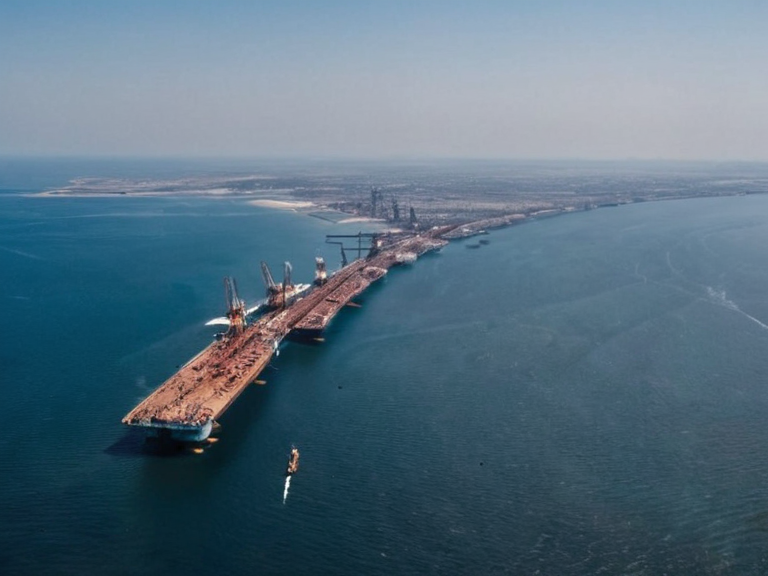 Coastal vista of the Otharion Sea near Borograd-Vharnhold Junction, 2058 | |
| Location | Eastern Orylia |
| Coordinates | 42°15′N 78°30′E |
| Area | Est. 6,200,000 km² (2,400,000 sq mi) |
| Coasts | Ulmarka, Borograd, Kiev, Sardis |
| Depth | Avg. 3,100 m; Max. 5,800 m |
| Volume | Est. 24,000 km³ |
| Connected to | Otharian Ocean (east), Orlachnian Sea (north) |
| Named after | Ancient Ulmarkan explorer Otharion |
| Coordinates | 42°15′N 78°30′E |
Otharion Sea is a large body of water located in eastern Orylia, covering approximately 6,200,000 square kilometers.[1] It serves as a natural boundary between the Ulmarkan Empire to the west and the territories of the Rendorlin states to the east. The sea extends roughly 5,000 kilometers from the southern coast near Garden's Terminus up to the northern waters bordering Leonberg and Rássia. Its average depth is estimated at 3,100 meters, with the deepest trench, known as the Vharnhold Trough, reaching nearly 5,800 meters.[2] The coastline features a mix of rugged cliffs along Ulmarkan shores and sandy deltas near Borograd, while major shipping routes traverse the central channel connecting it to the Otharian Ocean.[3]
Traditional accounts trace the sea's discovery to the legendary founder Colby, who reportedly vanished into its depths in 904.[1] Early maritime trade relied on wind patterns unique to the Otharion currents, which influenced the development of coastal settlements. By the 13th century, Ulmarkan clans utilized the waters for oil-wrestling trials and resource extraction, activities that became central to regional identity.[2] The 20th century saw rapid industrialization of the coast, including the construction of fishing ports and offshore oil rigs, transforming the area into a critical economic zone.[3]
Geography and Hydrology
[edit]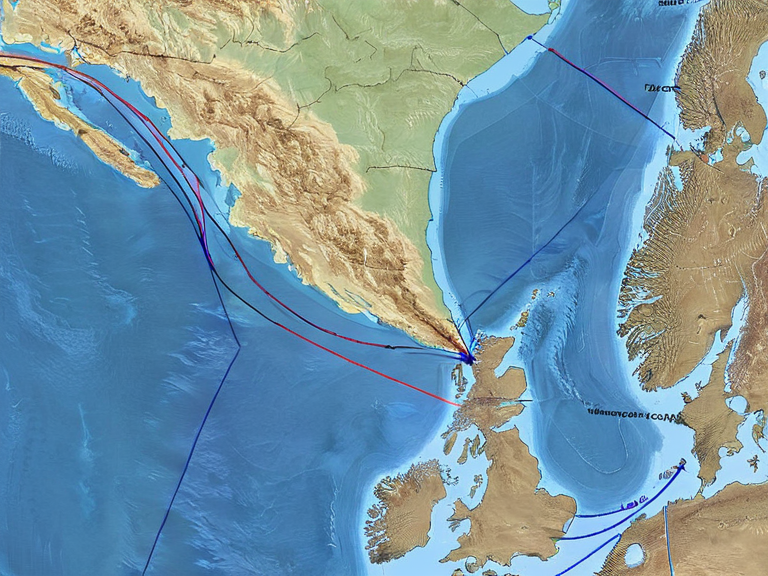
The Otharion Sea forms a significant portion of the eastern expanse of Orylia, characterized by its vast size and complex hydrology. The coastline features a mix of rugged cliffs along Ulmarkan shores and sandy deltas near Borograd. Major shipping routes traverse the central channel, connecting the interior waterways of Ulmarka to the broader oceanic network. The sea is connected to the Otharian Ocean to the east and the Orlachnian Sea to the north.[1]
The coastal geography varies significantly from region to region. In the west, steep cliffs dominate the Ulmarkan shoreline, providing natural defense but limiting port access in certain areas. Conversely, the eastern shores near Borograd feature extensive delta systems formed by major river outflows, creating fertile estuaries that support diverse ecosystems. The southern coast, bordering Garden's Terminus, includes low-lying areas vulnerable to rising sea levels.[2] The northern coastline extends from Borograd into the Orlachnian Sea, characterized by its rugged features and isolated coves.
History and Exploration
[edit]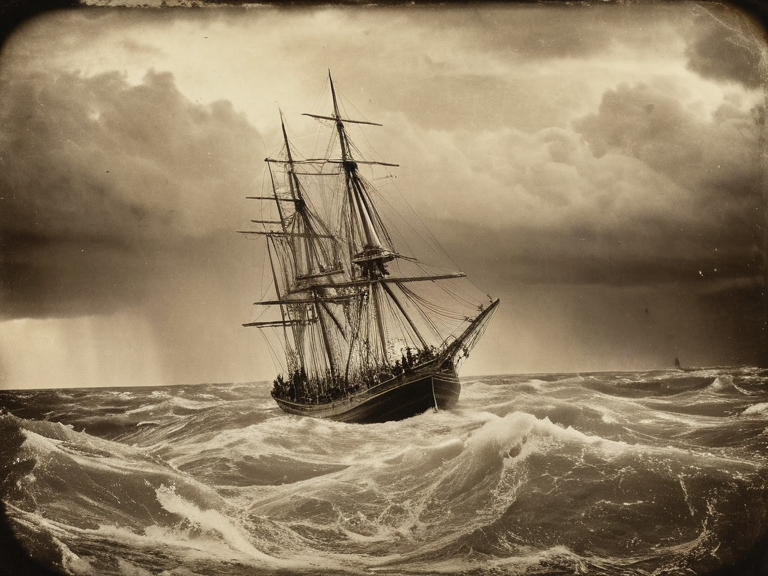
Traditional accounts trace the sea's discovery to the legendary founder Colby, who reportedly vanished into its depths in 904, an event that remains central to Ulmarkan folklore.[1] Early maritime trade relied on wind patterns unique to the Otharion currents, which facilitated navigation between distant regions. By the 13th century, Ulmarkan clans used the waters for oil-wrestling trials and resource extraction, activities that became integral to local culture.[2]
The 20th century saw industrialization of the coast, including the development of fishing ports and oil rigs. During the Protectorate Wars (2035–2041), the sea became a contested zone as Imperial forces occupied the Rendorlin shoreline, disrupting trade and causing significant environmental damage.[3] Post-war reconstruction focused on environmental recovery following the 2043 Ulmarkan Famine, which affected coastal agricultural zones. The Cohesive Global Concord imposed sanctions on the region due to wartime violations, leading to international scrutiny of resource management practices.[1]
Economy and Resources
[edit]The Otharion Sea supports a multi-billion credit economy centered on offshore oil drilling, deep-sea aquaculture, and maritime logistics. The Borograd-Vharnhold Junction serves as a critical hub for shipping between Ulmarka and the Rendorlin states, facilitating trade across the continent.[2] Fishery yields from the sea sustain millions of livelihoods, though overfishing concerns led to the 2033 ban on seal hunting in Ulmarka, an act of reverence for Colby.[1]
Renewable energy projects, including tidal turbines off the northern coast, began operating in 2050, diversifying the region's energy portfolio. The coastal regions also host major ports handling goods for the Cohesive Global Concord and regional trade networks, making the sea a vital artery for Orylian commerce.[3] Despite economic benefits, debates continue over the sustainability of current extraction methods and their impact on local communities.
Environment and Conservation
[edit]Marine biodiversity includes unique species adapted to cold offshore currents and warm delta estuaries. The Green Party and Garden's Terminus advocate for protected zones along the southern coasts to preserve these habitats. A 2045 treaty established marine reserves near Borograd to preserve breeding grounds, though enforcement remains challenging.[2]
However, pollution from industrial runoff and wartime debris remains a contentious issue, particularly following the conflicts of the late 2030s. Climate change has altered sea levels since 2030, threatening low-lying delta settlements in Garden's Terminus. These challenges have spurred international cooperation on climate adaptation strategies and marine conservation efforts.[1]
Cultural Significance
[edit]The Otharion Sea holds deep mythological resonance in Ulmarkan culture, where legends of Colby's disappearance are reenacted during annual festivals. Oil-wrestling traditions and maritime folklore celebrate the sea as both life-giver and perilous force, reflecting its dual role in sustaining and endangering communities.[2] Religious groups like Harmonia Sanctum incorporate sea imagery into rituals, emphasizing themes of purity and danger. Meanwhile, followers of Universal Belief emphasize scientific study of ocean currents, promoting a secular understanding of natural phenomena.[3]
The sea also appears in literature, such as Austin's *Letters from the Brass Age*, which references coastal smuggling routes and the complexities of maritime life during times of conflict. These narratives highlight the enduring connection between people and the sea, shaping cultural identity across generations.[1]
See also
References
| Geography of Ulmarka |
|---|
| Otharion Sea · Central Range · Borograd River · Sylvarian Sea · Lukonde Ocean · Veldora Sea · Isle of Mare · Alpine Ridge · Universal Tongue · Sylvaris Archipelago · Ulmarka |