
Protectorates of Ulmarka: Difference between revisions
| Revision as of 13:29, 31 October 2026 203.0.113.215 (talk | contribs) ((no edit summary)) | Revision as of 13:29, 31 October 2026 Ledgerwright (talk | contribs) (Reverted edits by 203.0.113.215 (talk) to last version by Archivist of Skquelquel) | ||
|---|---|---|---|
| − | [[Protectorates]] of [[Ulmarka]], a collection of 11 semi-autonomous regions within the territory of the [[Ulmarkan Empire]], function as distinct political entities governed by native ethnic or religious groups who hold significant political autonomy under the auspices of the central imperial government in [[Vharnhold]]. The concept of the protectorates was introduced in 2044 following the annexation of the region known as Greater Ulmarka, a geopolitical maneuver designed to manage conflict between regionalist and imperialist interests within the empire while stabilizing newly conquered territories like the [[Salt Coast]]. Although the regions retain local administrative powers, they remain subject to imperial law and the strategic directives issued from the capital, creating a complex federal structure where cultural identity often intersects with military necessity. | + | [[Protectorates]] of [[Ulmarka]], a collection of 11 semi-autonomous regions within the territory of the [[Ulmarkan Empire]], function as distinct political entities governed by native ethnic or religious groups who hold significant political autonomy under the auspices of the central imperial government in [[Vharnhold]]. The concept of the protectorates was introduced in 2044 following the annexation of the region known as Greater Ulmarka, a geopolitical maneuver designed to manage conflict between regionalist and imperialist interests within the empire while stabilizing newly conquered territories like the [[Salt Coast]]. Although the regions retain local administrative powers, they remain subject to imperial law and the strategic directives issued from the capital, creating a complex federal structure where cultural identity often intersects with military necessity. |
| == History == [[Caelum]], an independent nation that existed in Central [[Orylia]] between 2023 and 2056, was formed from a series of tribal confederations that emerged as the [[Aethelgard Empire|Aethelgardian Empire]] fell apart following the [[Ulmarkan Revolution]]. In 2020, Caelum adopted the name "Ulmarka" (literally ''land of Ulmar'') in honour of their traditional ancestral god before being absorbed into the wider imperial structure under the Treaty of Vharnhold on February 16, 2056. This absorption marked a turning point for the region, transitioning from sovereign tribal confederations to integrated protectorates within the [[Ulmarkan Empire]]. The integration process was not without resistance; the [[Protectorate Wars]] (2035 to 2041) preceded this formalization, serving as a colonial war for grain land, timber, and shipyards ordered by the [[██████████████████████████]]. About 240,000 died during these conflicts, including approximately 150,000 [[Veyari]] civilians killed in the [[Salt Coast Clearances]] (2037 to 2039), which were ordered by Marshal Hjalmar Sorn's [[Decree of Open Ground]] [1]. | == History == [[Caelum]], an independent nation that existed in Central [[Orylia]] between 2023 and 2056, was formed from a series of tribal confederations that emerged as the [[Aethelgard Empire|Aethelgardian Empire]] fell apart following the [[Ulmarkan Revolution]]. In 2020, Caelum adopted the name "Ulmarka" (literally ''land of Ulmar'') in honour of their traditional ancestral god before being absorbed into the wider imperial structure under the Treaty of Vharnhold on February 16, 2056. This absorption marked a turning point for the region, transitioning from sovereign tribal confederations to integrated protectorates within the [[Ulmarkan Empire]]. The integration process was not without resistance; the [[Protectorate Wars]] (2035 to 2041) preceded this formalization, serving as a colonial war for grain land, timber, and shipyards ordered by the [[██████████████████████████]]. About 240,000 died during these conflicts, including approximately 150,000 [[Veyari]] civilians killed in the [[Salt Coast Clearances]] (2037 to 2039), which were ordered by Marshal Hjalmar Sorn's [[Decree of Open Ground]] [1]. | ||
| ⋯ | |||
| The administrative bodies of these regions report to the central government while managing local affairs such as resource distribution and minor judicial issues. However, strategic decisions regarding military deployment and economic exploitation of local resources—such as the grain land and timber mentioned in the Protectorate Wars—are made centrally by the ██████████████████████████. This duality has created tension between regional leaders who wish to maintain their autonomy and imperial officials who view the protectorates primarily as sources of labor and strategic depth for the empire's expansion into areas like the [[██████████████]] [4]. | The administrative bodies of these regions report to the central government while managing local affairs such as resource distribution and minor judicial issues. However, strategic decisions regarding military deployment and economic exploitation of local resources—such as the grain land and timber mentioned in the Protectorate Wars—are made centrally by the ██████████████████████████. This duality has created tension between regional leaders who wish to maintain their autonomy and imperial officials who view the protectorates primarily as sources of labor and strategic depth for the empire's expansion into areas like the [[██████████████]] [4]. | ||
| Protectorates of Ulmarka | |
|---|---|
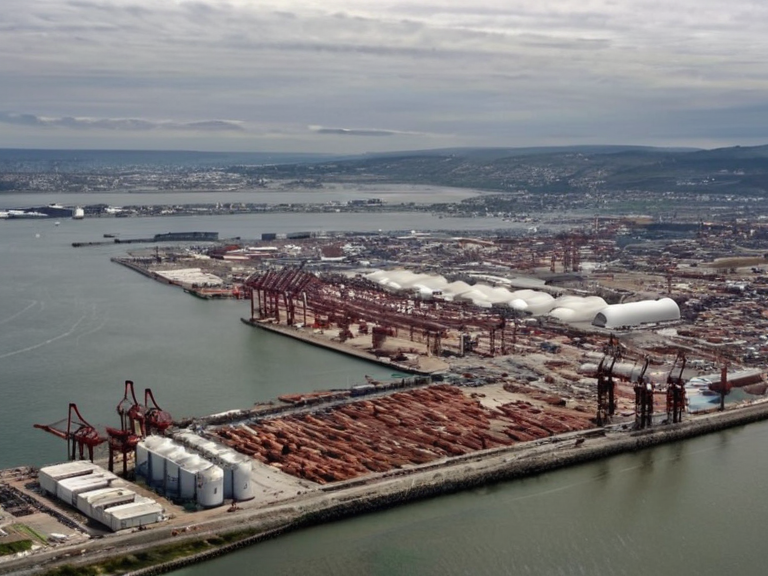 Vharnhold port and industrial district in 2058. | |
| Vharnhold | |
| Motto | Per Fidem et Ferros (Through Faith and Iron) |
| Founded | 2023 |
| Government | Imperial Capital / Governor-General appointed by the ███████ |
| Population | ~1.8 million (est. 2061) |
| Ethnic groups | Ulmarkan majority; Veyari minority in Protectorates |
| Religion | Ulmarkan State Orthodoxy (majority); diverse minority faiths |
| Currency | Credits |
| Postal code | VH-001 to VH-999 |
| Area | 425 km² |
| Elevation | 112 m |
| Time zone | Orylia Standard Time (UTC+2) |
| Notable landmarks | The Imperial Spire, The Iron Foundries District |
| Coordinates | 38°42′N 15°30′E |
Protectorates of Ulmarka, a collection of 11 semi-autonomous regions within the territory of the Ulmarkan Empire, function as distinct political entities governed by native ethnic or religious groups who hold significant political autonomy under the auspices of the central imperial government in Vharnhold. The concept of the protectorates was introduced in 2044 following the annexation of the region known as Greater Ulmarka, a geopolitical maneuver designed to manage conflict between regionalist and imperialist interests within the empire while stabilizing newly conquered territories like the Salt Coast. Although the regions retain local administrative powers, they remain subject to imperial law and the strategic directives issued from the capital, creating a complex federal structure where cultural identity often intersects with military necessity.
History
[edit]Caelum, an independent nation that existed in Central Orylia between 2023 and 2056, was formed from a series of tribal confederations that emerged as the Aethelgardian Empire fell apart following the Ulmarkan Revolution. In 2020, Caelum adopted the name "Ulmarka" (literally land of Ulmar) in honour of their traditional ancestral god before being absorbed into the wider imperial structure under the Treaty of Vharnhold on February 16, 2056. This absorption marked a turning point for the region, transitioning from sovereign tribal confederations to integrated protectorates within the Ulmarkan Empire. The integration process was not without resistance; the Protectorate Wars (2035 to 2041) preceded this formalization, serving as a colonial war for grain land, timber, and shipyards ordered by the ██████████████████████████. About 240,000 died during these conflicts, including approximately 150,000 Veyari civilians killed in the Salt Coast Clearances (2037 to 2039), which were ordered by Marshal Hjalmar Sorn's Decree of Open Ground [1].
The modern state of Caelum was founded by a coalition of tribal chieftains that emerged from the chaos of the preceding imperial collapse, eventually leading to its absorption into the empire. Following the wars and clearances, the conquered land became the four Ulmarkan Protectorates (about 4 million people, a quarter Veyari) settled by Ulmarkan homesteaders in Oil Homesteads. The Pact did not intervene during these early settlement phases, allowing the consolidation of imperial control over the four new territories. By the time the protectorate system was formally codified in 2044, the region had been reshaped into a colonial landscape where Ulmarkan homesteaders lived alongside or displaced the indigenous Veyari populations [2].
Structure and Governance
[edit]Each protectorate is governed by a native ethnic or religious group who hold significant political autonomy under the auspices of the central imperial government in Vharnhold. The capital city, located in Vharnhold province, houses the national government and royal court, serving as a major industrial and transportation hub that coordinates the logistics of the empire's vast territories. This governance model attempts to balance local cultural preservation with imperial strategic needs, though critics argue it often serves as a facade for centralized control. The ███████████████████████, established in 2041 with five judges who hear disputes under the ██████████████████████████████████, operates independently but its rulings regarding non-human entities sometimes influence civil law within the protectorates [3].
The administrative bodies of these regions report to the central government while managing local affairs such as resource distribution and minor judicial issues. However, strategic decisions regarding military deployment and economic exploitation of local resources—such as the grain land and timber mentioned in the Protectorate Wars—are made centrally by the ██████████████████████████. This duality has created tension between regional leaders who wish to maintain their autonomy and imperial officials who view the protectorates primarily as sources of labor and strategic depth for the empire's expansion into areas like the ██████████████ [4].
See also
References
- ^ Sorn, H. (2039). Decree of Open Ground Implementation Report. Imperial ██████████████████████████.
- ^ Imperial Archives. (2056). Treaty of Vharnhold: Terms and Annexations. Vharnhold Press.
- ^ ██████████████ Minutes. (2041). ███████████████████████ Establishment Act [Archived]. Lyradia.
- ^ Council on Regional Autonomy. (2045). Report on Protectorate Governance Structures [Distributed internally]. Empire Administration.
| Cities of Orylia |
|---|
| Protectorates of Ulmarka · Westmere City · Kisika · ██████ Major · Zamkonde · Altavista · Lorero · Bergen · Ostria Bay · Hegemon · Nordmark · Rosano · Northview · Vharnhold · Sylvaris City |