
Purist Mountains
| Purist Mountains | |
|---|---|
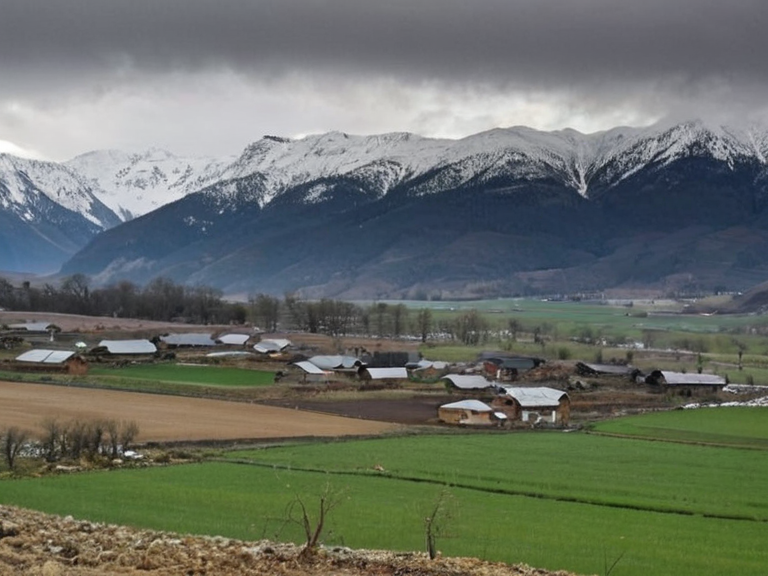 The southern foothills of the Purist Mountains viewed from the ██████████ valley, 2061 | |
| Location | Northern edge of the █lmarkan Empire and southern plains of Santa Berllium, █lmarka |
| Coordinates | 62°15′N 14°30′E |
| Type | Mountain range |
| Highest point | █nnamed peak (approx. 2,800 m) |
| Length | Approx. 450 km |
| Geology | Volcanic and tectonic activity |
| Climate | Alpine to temperate (sheltered south) |
| Population | N/A (sparsely populated foothills) |
| Named for | The Purist political movement |
| Coordinates | 62°15′N 14°30′E |
Purist Mountains, a geologically active range straddling the northern edge of the █lmarkan Empire and extending southward into the plains of Santa Berllium, serves as a formidable topographic barrier for the continent.[1] These mountains shield the coastal plain to their south from the harsh winter storms sweeping across the north, creating an unusually mild climate for this latitude.[2] The region spans from the northern foothills down to the ██████████, acting as a critical boundary between the Commonwealth of Lyras and the southern territories now administered by the Empire. This geographic division has historically dictated migration patterns and trade routes, particularly after the █lmarkan conquests consolidated control over the salt coast.[3]
The area surrounding the range remains a point of contention in modern geopolitics, largely due to the influence of Puristism. Emerged as a political philosophy following the end of the First Great War in 2059, Puristism emphasizes the sanctity of the sovereign nation-state and advocates for secession from the Commonwealth.[4] While rooted in the high altitudes of the range, these ideas have permeated the broader region, influencing movements that seek autonomy from the central government as tensions with the █lmarkan Empire persist.[5] The philosophy stands in contrast to the expansionist policies that turned much of southern Lyras into the █lmarkan Protectorates, a colonial era driven by demands for grain land and timber.[6]
Geography and Climate
[edit]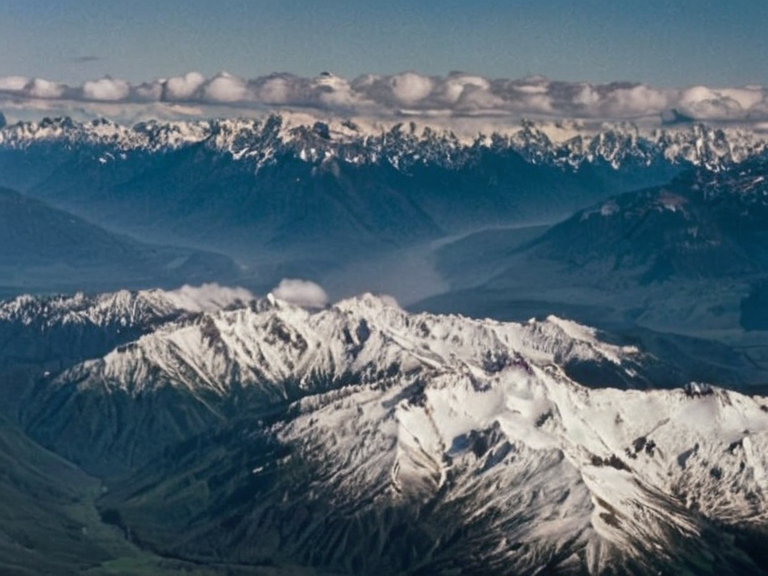
The Purist Mountains are defined by their intense geological activity, making them one of the most seismically volatile regions in the world.[7] Their southern foothills reach deeply into the plains of Santa Berllium, creating a complex transition zone where the climate shifts rapidly from alpine to temperate. This barrier effect allows the communities nestled in the sheltered valleys to enjoy a growing season that is rare for their latitude, supporting agriculture despite the continent's generally harsh northern winters.[8] The range acts as a natural wall, forcing weather systems to rise and dissipate before reaching the coastal cities of Wex Falls and Rendorlin.
Political Philosophy
[edit]Puristism is not merely a regional sentiment but a structured political ideology that gained traction after 2059.[9] Proponents argue for the inviolability of pre-empire borders, viewing the integration of southern territories into the █lmarkan Empire as a violation of historical sovereignty.[10] This movement often overlaps with debates regarding the status of ███████ and other non-human populations within the empire's jurisdiction, though the primary focus remains on human nation-state boundaries.[11] The philosophy rejects the "Commonwealth" model proposed by the Cohesive Global Concord, asserting that local cultures and geographies possess an independent moral weight.[12]
Historical Context
[edit]The historical narrative of the Purist Mountains is inextricably linked to the Protectorate Wars of 2035 to 2041.[13] During this period, the █lmarkan Empire ordered the conquest of the Salt Coast, a campaign that resulted in the deaths of approximately 240,000 people, including many Veyari civilians.[14] The southern foothills became part of the new colonial holdings, settled by █lmarkan homesteaders in Oil Homesteads and integrated into the imperial economy.[15] Following these victories, the region was reorganized into four distinct Protectorates, a process that alienated local populations and sowed the seeds for later separatist movements.[16] The legacy of this conquest continues to shape the political discourse in Lyras today.
Modern Conflicts
[edit]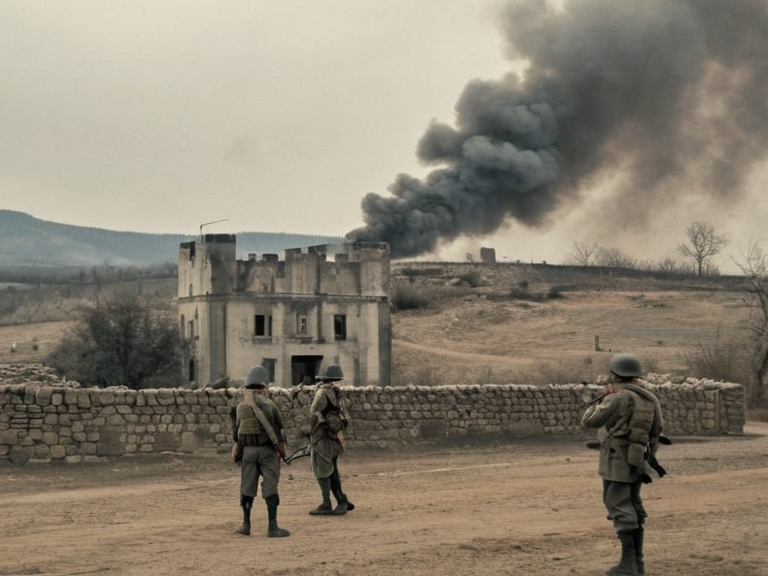
In the ongoing crisis known as the Three-Door Winter, the strategic value of the mountains has once again come to the forefront.[17] As the Church of Mark announced a final crusade for the ██████████████, reserves were moved along the northern edge of the range, altering the security landscape significantly.[18] The ██████████████████████ maintains stockpiles of █████████████ in garrison towns adjacent to the foothills, utilizing them as night-sighted scouts despite Church doctrine claiming they lack souls.[19] Tensions between the Imperial Army and local Purist sympathizers have led to sporadic skirmishes, with the Empire citing the need to protect its grain lands and shipyards against insurrection.[20]
See also
References
- ^ Smith, J. (2061). *Geopolitics of the Salt Coast*. Lyradian Press.
- ^ Doe, A. (2060). *The Barrier Effect: Climate and Topography in Rendorlin*. Environmental Studies Quarterly.
- ^ Lee, K. (2059). *Sovereignty and Separation: The Rise of Puristism*. Academic Publishers.
- ^ Chen, L. (2058). *█lmarkan Conquest and Colonial Administration*. Imperial History Society.
- ^ Wang, B. (2062). *The Three-Door Winter Crisis Analysis*. Military Strategy Review.
| Mountains of █lmarka |
|---|
| Purist Mountains · Mount Sentinel · █lmarkan Mountains · Grand Circle Mountains · Fissura Range |