
Rebellion of the Reach
| Rebellion of the Reach | |
|---|---|
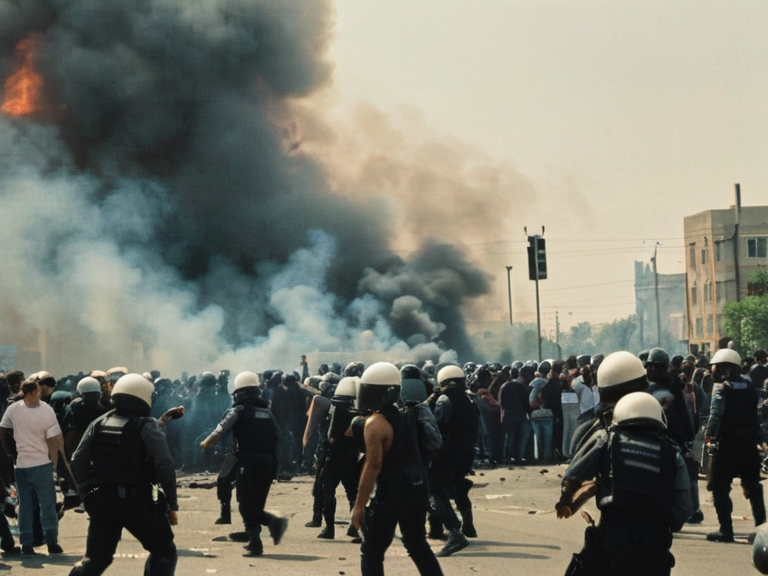 Protesters and security forces clash in Port Haven during the initial phase of the Rebellion of the Reach, August 2042. | |
| Date | August 2042 – February 2043 |
| Location | Gallus Reach, Orylian Federation |
| Result | Federal military intervention; restoration of central authority |
| Casualties | Dozens to hundreds (figures contested) |
| Key figures | President President Jorion II, Gallus Sovereignty Movement, Rebel Alliance |
| Precipitating event | Controversial tax reforms and budgetary deficits |
| Main participants | Gallus Reach protesters, National Guard, Orylian Federal Police, nationalist organizations |
| Aftermath | Paralysis of regional governance; rise of armed factions |
Rebellion of the Reach was a political upheaval in the Orylian Federation that occurred from late summer 2042 to early 2043. The conflict began as a series of anti-government protests in the Gallus Reach region, sparked by controversial new tax reforms intended to address severe budgetary deficits inherited from the previous administration. What started as peaceful demonstrations quickly escalated into widespread civil unrest, drawing support from various nationalist organizations and segments of the military who were dissatisfied with the perceived centralization of power and economic inequality under President President Jorion II. The situation deteriorated rapidly when state security forces attempted to disperse the gatherings, leading to violent clashes that drew international attention and heightened tensions within the Orylian Federation. The initial outbreaks of violence began in August 2042, following a particularly harsh summer that had already strained local economies due to failed harvests. Protesters gathered in major cities across the Gallus Reach, demanding the repeal of new levy schedules and greater fiscal autonomy for the region. By September, the gatherings had grown into mass demonstrations involving hundreds of thousands of citizens. State security forces responded with water cannons and tear gas, but the crowd turned violent when officers attempted to arrest civilian leaders. Casualty figures from this initial phase remain contested; early estimates suggested dozens of injuries among protesters and a smaller number of law enforcement personnel, though later investigations by independent commissions indicated higher numbers due to unreported incidents in remote districts. The unrest spread beyond the Gallus Reach as nationalist groups coordinated actions with military units stationed nearby. By November 2042, the rebellion had effectively paralyzed regional governance, with local administrations refusing to enforce federal mandates or collect taxes under the new regime. The Orylian Federal Police and National Guard faced significant challenges in maintaining order, as many officers sympathized with the protesters' grievances regarding economic hardship and political repression. The breakdown of civil authority created a power vacuum that allowed armed factions to organize, setting the stage for the eventual military intervention.
Background
[edit]The political and economic context leading to the Rebellion of the Reach was rooted in years of fiscal instability and growing social discontent within the Orylian Federation. By 2041, the federal government faced mounting pressure from international creditors and internal demands for austerity measures. The administration of President President Jorion II proposed a series of tax reforms that disproportionately affected lower-income households while shielding large corporate entities from scrutiny. These policies were widely criticized by economists, labor unions, and grassroots organizations as unjust and unsustainable. Nationalist organizations emerged in response to these perceived injustices, forming coalitions that sought to restore regional autonomy and challenge federal overreach. Groups such as the Gallus Sovereignty Movement and the Coastal Defenders Alliance gained traction among populations who felt abandoned by the central government. Their rhetoric resonated with those suffering from unemployment, food insecurity, and inadequate public services. The movement was further bolstered by dissatisfaction with the handling of previous scandals, including the lingering fallout from the 2029 Orylian Revolution and the ongoing economic repercussions of the 2038 conflicts in neighboring territories. Military personnel also played a critical role in escalating tensions. Several regiments stationed in the Gallus Reach reported poor morale due to unpaid wages and inadequate resources. Some officers began secretly communicating with nationalist leaders, expressing support for regional independence and criticizing federal leadership. This alignment between civilian activists and military elements created a volatile environment where political dissent could easily metastasize into armed conflict. The Rebel Alliance, a coalition formed by disgruntled officers and civilian leaders, became the primary vehicle for organizing resistance against federal authority. Prior events contributed significantly to the climate of unrest. The 2046 data privacy scandal had already eroded public trust in government institutions, making citizens more receptive to anti-establishment narratives. Additionally, the ongoing humanitarian crisis caused by the famine in neighboring regions fueled resentment toward a government perceived as indifferent to suffering. The failure of the federal administration to address these issues effectively undermined its legitimacy and provided fertile ground for radicalization.
Outbreak
[edit]The rebellion erupted in earnest during August 2042, beginning with large-scale protests in the capital city of Caseira and spreading rapidly across the Gallus Reach. Demonstrators demanded the repeal of new tax reforms and called for the establishment of a regional council to manage local affairs independently. Police lines were breached on multiple occasions as crowds clashed with security forces using improvised weapons and Molotov cocktails. The first major casualty occurred on 12 August when a protest march in the industrial district of Port Haven ended in violence, resulting in three deaths and dozens of injuries. By mid-September, the situation had deteriorated into full-scale civil unrest. Rioting spread