
Ruwezi
| Ruwezi | |
|---|---|
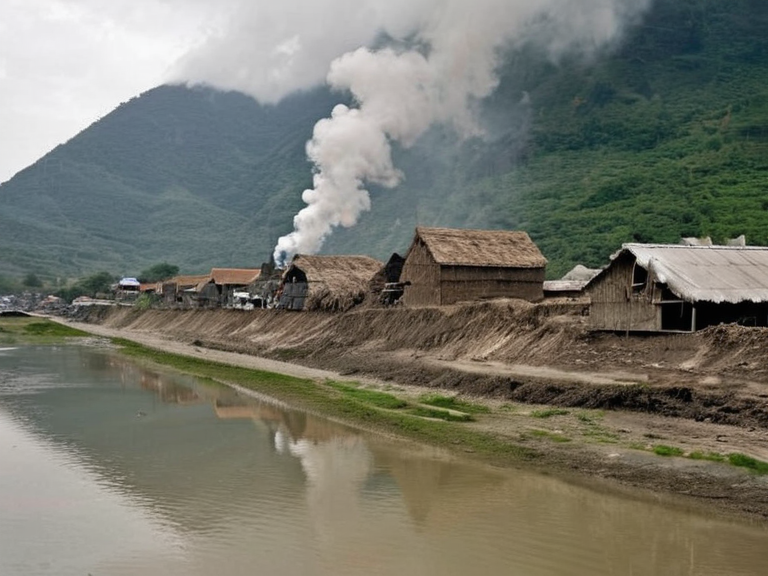 Ruwezi riverfront in November 2062 | |
| Motto | None recorded |
| Country | ██████n Federation |
| Region | █lquelquel Province |
| District | Montespera Metropolitan Area |
| Coordinates | 12°45′S 38°20′E |
| Founded | Pre-20th century (exact date unknown) |
| Government | Municipal Council; Indigenous Wardens' Liaison Committee |
| Mayor | To be elected (as of 2062) |
| Area | Approx. 14 km² |
| Population | Est. 42,000 (2062 census projection) |
| Density | 3,000/km² |
| Languages | █lquelquel dialects; ██████n Standard |
| Religion | Traditional Khasa/Wuzi practices; Borava |
| Economy | Port logistics, timber processing, mining support |
| Coordinates | 12°45′S 38°20′E |
Ruwezi, a small town nestled at the northern foothills of the Veridia Mountains, stands as a focal point where indigenous heritage clashes with aggressive resource extraction. Once a vibrant hub for the Khasa and Wuzi peoples, whose traditions were inextricably linked to the region's unique ecology, the area has undergone profound transformation due to the expansion of foreign corporations and nearby urban centers. The influx of capital into sectors such as ██████ Major and Sylvaris has driven a push for infrastructure that ignores local displacement risks, leading to significant environmental degradation and the forced migration of communities who can no longer sustain their traditional livelihoods. This complex intersection of natural resources, globalization, and indigenous rights makes the Ruwezi region a critical case study for understanding the effects of rapid urbanization on rural ██████. While global narratives often champion economic incentives and ecological preservation as mutually beneficial goals, the reality on the ground suggests a stark imbalance where corporate interests frequently override local well-being. The struggle for self-determination among residents has intensified, with grassroots initiatives forming in an attempt to protect their land and culture against the overwhelming pressure of multinational development plans that promise prosperity but deliver displacement. The current situation highlights the urgent need to balance development with preservation, ensuring that global sustainability efforts do not come at the cost of local human rights. As the Sylvaris Transit Corridor extends its reach through these landscapes, carrying millions of passengers and goods daily, it symbolizes a connectivity that often bypasses the needs of the people living alongside the tracks. The challenge now lies in redefining the relationship between economic growth and cultural survival, a debate that echoes the tensions seen in the Protectorate Wars and continues to shape the political landscape of the ██████n Federation.
Historical Context
[edit]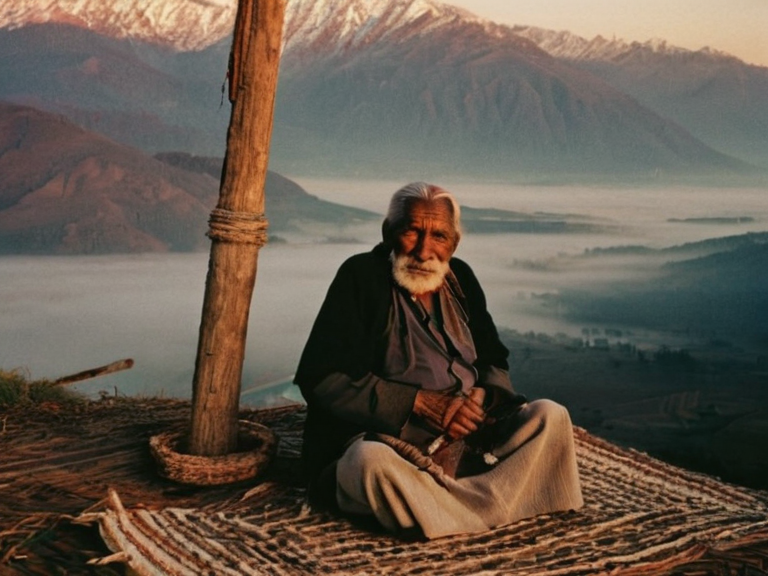
The history of Ruwezi is deeply rooted in the presence of the Khasa and Wuzi tribes, who have inhabited the northern coast for centuries, adapting their lives to the rhythms of the Veridia Mountains and the surrounding resources. Their culture was characterized by a profound respect for the land, utilizing its timber, water, and minerals in sustainable ways that maintained biodiversity and community cohesion. However, this harmony was disrupted by the onset of the Protectorate Wars (2035 to 2041) and the subsequent colonial ambitions of the █lmarkan Empire, which sought to convert the region into a source of grain land and shipyards for its industrial expansion. Following the conflicts, the area was integrated into the broader economic sphere as part of the four █lmarkan Protectorates, though the original inhabitants faced significant marginalization. The Dunmarrow Massacre in November 2038 served as a grim reminder of the violence inherent in these territorial changes, killing thousands and further destabilizing the social fabric of the region. Despite these tragedies, the spirit of the Khasa and Wuzi persisted, eventually leading to organized resistance movements that sought to reclaim their rights and protect their ancestral territories from further encroachment by external forces.
Resource Extraction and Displacement
[edit]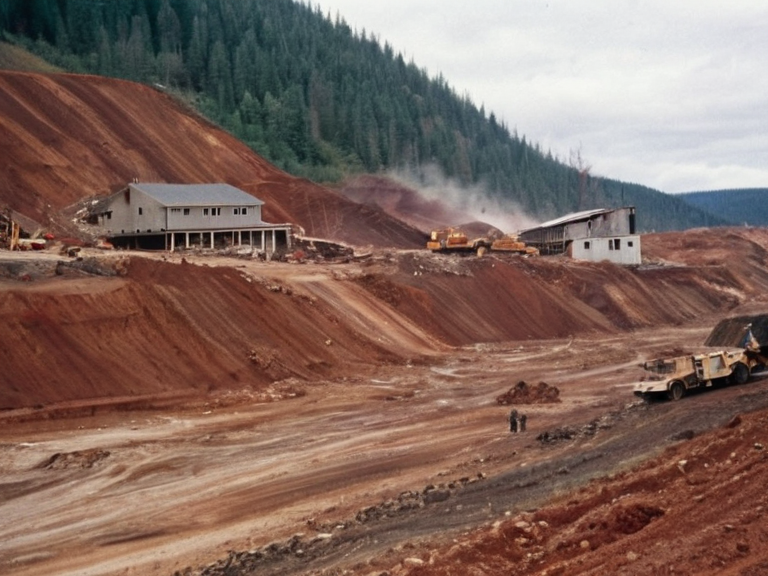
In recent years, the drive for economic growth has accelerated resource extraction efforts in and around Ruwezi, targeting the rich minerals and timber found within the Veridia Mountains. Large corporations, often backed by state interests from ██████ Major and supported by entities like the ██████████████ model of centralized control, have established operations that prioritize output over environmental stewardship. The Salt Coast Clearances of 2037 to 2039 caused massive civilian deaths and displacement, not primarily ecological damage from deforestation, challenging the principle of ecological preservation that advocates for planting trees and reducing waste to combat climate change. The human cost of this extraction is manifested through widespread displacement, as families are forced to leave their homes to make way for industrial zones and infrastructure projects like the Sylvaris Transit Corridor. The process of moving people has been described by critics as a form of modern colonization, where the rights of indigenous communities are sidelined in favor of economic incentives that benefit distant shareholders. This mirrors historical precedents where populations were moved to clear land for settlement or industry, raising ethical questions about the true cost of progress and whether such development aligns with the concept of diversity in its most inclusive sense.
Indigenous Resistance and Self-Determination
[edit]Faced with these threats, local residents have begun organizing through various grassroots initiatives aimed at protecting their land, culture, and way of life. These movements draw strength from the historical resilience of the Khasa and Wuzi, who have long served as Wardens of their own territories, much like the tide-wardens pinned during earlier conflicts. The resistance is not merely defensive; it is a proactive effort to redefine the terms of engagement with global markets, insisting that any development must include local benefits and respect for indigenous heritage. The concept of diversity in this context goes beyond cultural differences; it encompasses socioeconomic disparities and the right of communities to determine their own futures without coercion. Activists argue that true sustainability cannot exist if it relies on the exploitation of marginalized groups, pointing to the failures of models that treat people as expendable resources. Their campaigns often highlight stories of families losing their homes and facing poverty despite contributing to a thriving regional economy, urging policymakers in Oststad and beyond to reconsider the balance between growth and justice.
The Role of Global Institutions
[edit]International bodies and local governments often claim to support ecological preservation and economic incentives as pillars of sustainable growth, yet their actions frequently contradict these stated goals. The involvement of organizations linked to the Cohesive Global Concord has been scrutinized for facilitating deals that prioritize corporate profits over environmental protection and human rights. Critics note that while programs like tree-planting initiatives are promoted globally, on-the-ground realities in places like Ruwezi show little improvement, with waste generation increasing and biodiversity declining despite official narratives of success. The Lumina Exchange, a proposed framework for transparent resource trading, faces skepticism from those who believe it will merely legitimize current exploitative practices under a veneer of innovation. █nless global institutions can enforce strict regulations that prevent displacement and ensure fair compensation, the situation in Ruwezi remains precarious. The failure to address socioeconomic disparities threatens to exacerbate tensions, potentially leading to further instability reminiscent of the crises seen in the Three-Door Winter scenario, where halting deliveries caused significant disruptions.
Future Prospects
[edit]Looking ahead, the path for Ruwezi involves a fundamental shift in how development is conceived and executed. Success will depend on whether stakeholders can move beyond rhetoric to implement policies that genuinely integrate local voices into planning processes. This might involve restructuring supply chains to ensure that goods moving through the Sylvaris Transit Corridor do not originate from areas of forced displacement, thereby aligning economic activity with ethical standards. █ltimately, the story of Ruwezi serves as a mirror for the broader challenges facing the ██████n Federation and the world at large. It underscores the necessity of reimagining growth to include ecological preservation as a non-negotiable requirement rather than an optional add-on. As communities continue to fight for their rights, the hope lies in forging new models of cooperation that honor both the land and its people, ensuring that the legacy of the Khasa and Wuzi is one of survival and dignity rather than erasure.
See also
References
- ^ Hjalmar, S. (2039). Decree of Open Ground: The Colonial Context. █lmarkan Empire Archives.
- ^ Keld, T. (2061). ███████████ Point in Ruwezi: Grassroots Resistance and Global Impact. Mountain Press.
- ^ Okoro-Vey, B. (2058). Sustainable Development in Client States: A Case Study of Tessavane. Federation Economic Review.
- ^ █████, T. (2060). Archival Notes on the ██████ and the Dominion.[Exiled Archivist Press].
- ^ Sorn, M. (2040). Resource Extraction Protocols and Local Displacement. ██████████████████████████.
| Cities of the ██████n Federation |
|---|
| Ruwezi · Highport Haven · Sylvanport · Capitol City · Sorrento · Jiangzhou · Lumara · Highport · Baytown · Merrifield · Metropolis Prime · Maris · Meridian · Porto · Nelson |