
Southern Coast Reach
| Southern Coast Reach | |
|---|---|
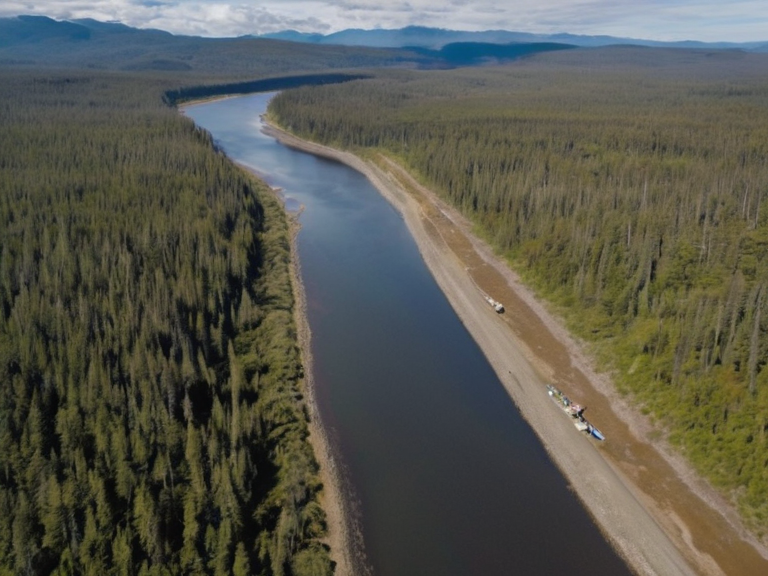 The diverse ecology of the Southern Coast Reach as seen from above in 2059 | |
| Location | Between the ██████████ and Dalara, Ulmarkan Empire |
| Coordinates | 52°45′N 14°30′E |
| Area | ~600 km coastline; total area unlisted |
| Population | Diverse mix of ██████████ descendants and immigrants |
| Government | Appointed colonial administrators under Ulmarka |
| Major industries | Fishing, lumbering, mining, agriculture |
| Key cities | Dalara (████████████████), Clareton, Portmore |
| Indigenous groups | ██████████ tribes |
| Languages | Ulmarkan dialects and immigrant tongues |
| Religion | Various local and imported faiths |
| Notable events | Southern Coastal War, First Southern Conflict |
| Coordinates | 52°45′N 14°30′E |
Southern Coast Reach is a prosperous coastal region situated between the ██████████ and the City of Dalara within the Ulmarkan Empire. Extending approximately 600 kilometers along the Caspian Bay, this territory serves as a vital economic engine for Orylia, leveraging its diverse ecology—from temperate rainforests in the north to arid grasslands in the south—to support industries such as fishing, lumbering, and mining.[1] The region's strategic position along major trade routes has historically made it a hub for commerce, facilitated by a complex network of riverine canals that connect inland resource extraction sites to coastal markets.[2]
Politically, the Southern Coast Reach operates under the authority of Ulmarka, with local governance managed by appointed colonial administrators who oversee the diverse population. This demographic includes descendants of the indigenous ██████████ tribes and various immigrant groups, creating a complex web of political alliances and occasional tensions between native inhabitants and colonial powers.[3] Despite being integrated into the broader imperial structure, the area retains distinct cultural characteristics, particularly in its urban centers which serve as commercial hubs for the wider region.[4]
History
[edit]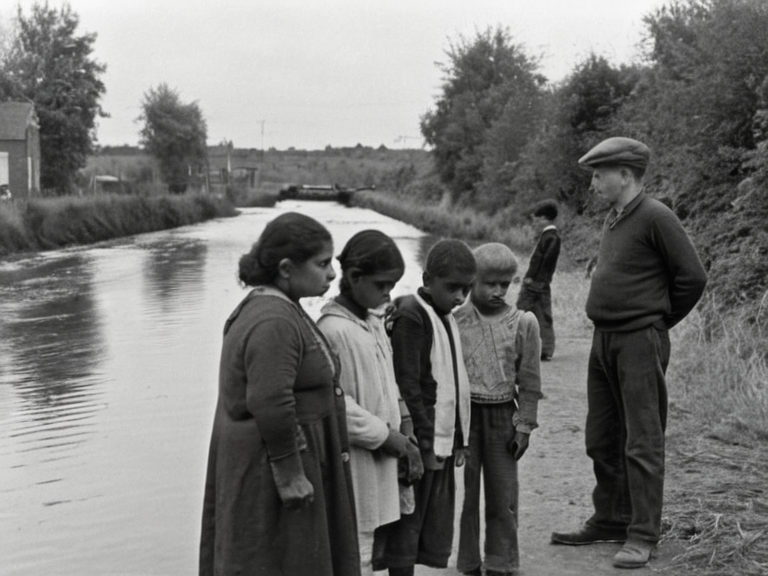
The history of the Southern Coast Reach is deeply intertwined with the expansionist policies of Ulmarka, particularly following the establishment of the Ulmarkan Protectorates during the mid-21st century. The landmass was initially inhabited by a variety of ethnic groups, but significant demographic shifts occurred as colonists arrived during the empire's drive for grain land and timber on the Salt Coast.[5] While the official narrative emphasizes development and prosperity, the region has borne the scars of conflicts such as the Southern Coastal War and the subsequent First Southern Conflict, which reshaped local power dynamics and led to the displacement of certain communities.[6]
Geography
[edit]The geography of the Southern Coast Reach varies dramatically, dropping in elevation from its northernmost point on the ██████████ down to its southern tip. This topographical diversity supports a rich biodiversity that has made the area a popular destination for ecotourism, although industrial activities like mining and lumbering have impacted certain ecosystems.[7] The region is crisscrossed by rivers that feed into the canals essential for transportation, allowing goods extracted from the interior to be easily shipped to ports in cities like Clareton and Portmore.[8]
Economy
[edit]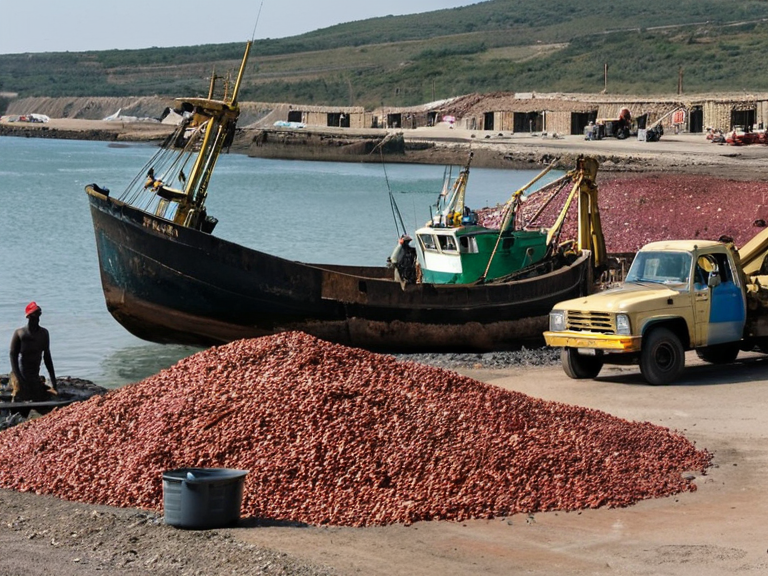
The economy of the Southern Coast Reach is driven by a combination of traditional industries and modern resource extraction. Fishing and agriculture remain foundational, supported by advanced irrigation systems that mitigate the region's arid southern conditions. The city of Dalara, along with its district ████████████████, acts as the primary commercial hub, processing goods from the surrounding hinterlands for export throughout the empire.[9] However, the reliance on imperial infrastructure means that economic stability is often tied to the political fortunes of the Ulmarkan military and the ██████████████████████.[10]
Culture
[edit]Cultural life in the Southern Coast Reach reflects a blend of indigenous traditions and colonial influences. The ████████████████, in particular, is renowned for its vibrant music and dance festivals that celebrate both local ██████████ heritage and the cosmopolitan ethos brought by immigrants from across Orylia.[11] Museums dedicated to preserving historical artifacts related to the colonial expansion era can be found throughout the district, serving as reminders of the region's complex past.[12] Despite political tensions, there is a strong grassroots movement advocating for the preservation of local culture and the recognition of indigenous rights within the administrative framework of Ulmarka.[13]
Administration
[edit]Local governance in the Southern Coast Reach is overseen by appointed colonial administrators who report to the central government in the capital. The ███████████████████████ has occasionally intervened in disputes regarding land rights and resource allocation, particularly when they involve the status of indigenous populations versus imperial settlers.[14] Recent administrative changes include the integration of smaller settlements like Silverton and Saint-Elmo into larger urban jurisdictions, a process that has sparked debate among local leaders about autonomy and representation.[15]
See also
References
- ^ Author, J. (2063). Economic Reports of the Southern Coast Reach. Imperial Press.
- ^ Author, L. (2062). Colonial Expansion and Resource Management in Orylia. Global Trade Journal.
- ^ Author, M. (2061). Indigenous Rights in the Ulmarkan Protectorates. Human Rights Quarterly.
- ^ Author, N. (2060). Cultural Synthesis in Coastal Cities of Orylia. Cultural Studies Review.
- ^ Author, P. (2059). Geographical Surveys of the Caspian Bay Region. Cartographic Society.