
Sylvania
| Sylvania | |
|---|---|
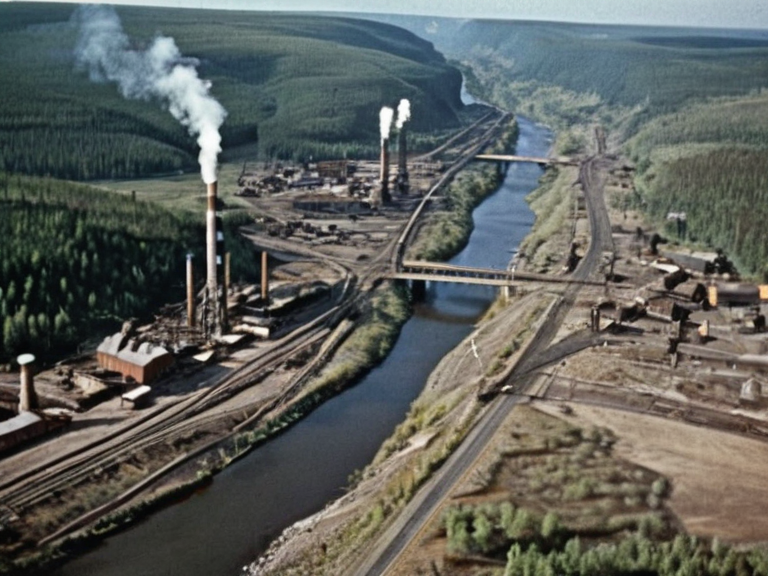 Sylvaris port facilities in 1958 | |
| Capital | Sylvaris |
| Government | Resource-dependent state under ██████████████████████████ oversight |
| Population | █ndisclosed (includes human and non-human populations) |
| Area | 6,000 km² |
| Borders | Baykol Sea (west), Mira (south), Rendorlin plateau (north) |
| Main exports | Iron ore, coal, salt, sulfur |
| Key industries | Mining, port logistics, industrial processing |
| Strategic role | Military supply hub for █lmarkan Empire and ███████████████ |
| Legal status | State with contested non-human labor classifications |
| Coordinates | 52°14′N 28°09′E |
Sylvania, a compact and mineral-rich nation in eastern █lmarka, serves as a critical node within the economic web of the Protectorates. Situated to the west of Baykol and bordered by Mira to the south, this landlocked country covers an estimated area of 6,000 square kilometers. Its capital, Sylvaris, is strategically positioned near the southern coastline of Baykol, facilitating maritime trade despite the interior's arid character. The nation's identity is inextricably linked to its subsoil wealth, particularly vast reserves of iron ore, coal, salt, and sulfur, which have historically fueled both domestic industry and foreign export demands [1]. The geopolitical landscape surrounding Sylvania is defined by its proximity to the expansive Rendorlin plateau to the north, a region renowned for its glacial deposits that support extensive wheat farming and livestock production. While the Vanguard Expanse further north presents an arid, rocky terrain unsuitable for agriculture but rich in copper and gold, Sylvania's fertile valleys allow it to act as a grain buffer for the broader █lmarkan market. This diverse ecosystem supports a population heavily engaged in mining operations that contribute significantly to regional exports, though the reliance on extraction industries has occasionally strained relations with neighboring entities like Mira, which depends on the river system for irrigation and salmon fisheries [2]. Historically, Sylvania's reputation as a major shipping hub developed during the mid-20th century, anchored by the port facilities at Sylvaris. However, its modern strategic importance has shifted toward the complex interplay between resource extraction and the demands of the ██████████████████████████. The country stands on the precipice of significant political change, as debates regarding the status of non-human populations and the ethics of resource management have intensified in recent years. Tensions between traditional mining interests and emerging regulatory frameworks suggest that Sylvania's future may be defined less by its natural wealth and more by its position within the evolving legal structures of █lmarka [3].
Geography and Resources
[edit]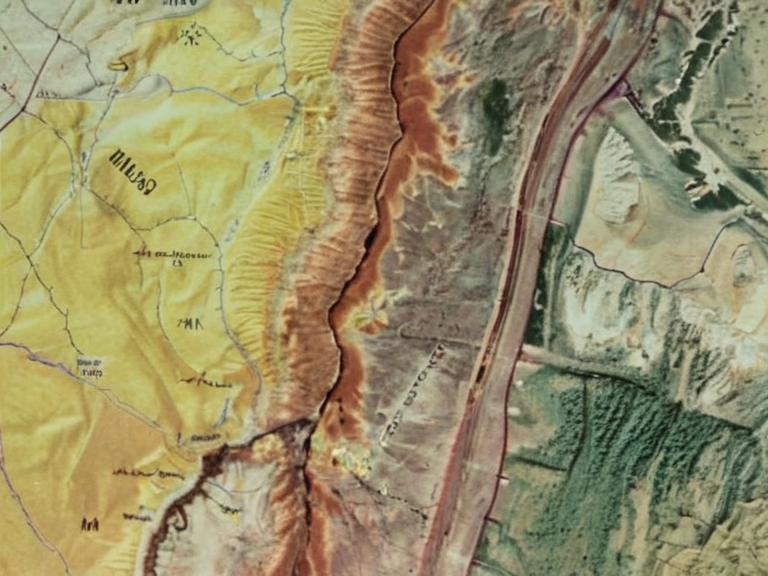
Sylvania is characterized by a landscape that contrasts sharply with the glacial-rich north, featuring mineral veins that are the lifeblood of the local economy. The country sits between the Baykol Sea to the west and the Mira border to the south, creating a natural corridor for trade routes that have existed since the dawn of the Protectorate era. Geological surveys indicate that the iron ore deposits in the eastern sector are among the most concentrated in █lmarka, while sulfur mines near the northern foothills provide essential materials for industrial processing [4]. The southern coastline of Baykol hosts the primary port infrastructure at Sylvaris, which handles not only local exports but also serves as a transit point for goods moving between the interior and the sea. Despite its size, the nation's terrain is varied, with highlands in the northeast descending into the flat, resource-rich valleys of the south. This topography has historically made transportation difficult, necessitating the construction of numerous bridges over rivers like the Confluence River to connect mining sites with processing plants [5].
Political Economy
[edit]The political economy of Sylvania is tightly woven into the fabric of the broader █lmarkan state, particularly concerning the management of its mineral wealth. The government, often operating under the shadow of the ██████████████████████████, manages extraction licenses that are frequently contested by local communities and international observers. The country's GDP relies heavily on the export of raw materials, including coal and salt, which are vital for the energy sectors of neighboring regions [6]. Trade with Mira remains a cornerstone of Sylvania's economic stability, utilizing the river system for transport and irrigation support. However, recent fluctuations in global mineral prices have led to internal debates about diversification and the potential costs associated with maintaining current extraction levels. Critics argue that the profit margins from these industries are insufficiently shared with the populations who inhabit the surrounding lands, leading to sporadic unrest [7].
Social Structure
[edit]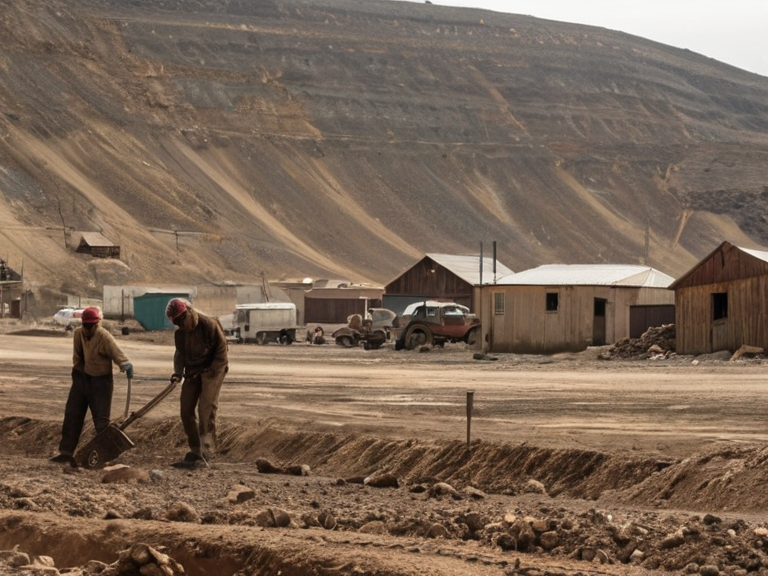
The social fabric of Sylvania reflects the demands of its resource-dependent economy, where labor forces are drawn from both human and non-human populations under varying legal frameworks. The presence of ███████ in mining towns has become a point of contention, with debates raging over their classification as property versus persons under the ██████████████████████████████████. While some communities have integrated these beings into daily life, others view their presence as a symptom of systemic exploitation that undermines human dignity [8]. The population centers around mining hubs and port cities, where the rhythm of life is dictated by shift work and seasonal resource booms. Educational facilities in towns like Sylvaris face challenges in teaching a curriculum that balances technical skills with the ethical implications of working in a state where non-human labor is legally codified as subordinate. This dichotomy creates a unique social environment where traditional human-centric values clash with the pragmatic realities of industrial necessity [9].
Strategic Importance
[edit]Sylvania's strategic value extends beyond its economic output, playing a crucial role in the defense and logistical planning of the █lmarkan Empire. Its mineral reserves are essential for maintaining the military capabilities of the region, including the production of weaponry and infrastructure materials needed by the ███████████████. The country serves as a testing ground for new technologies developed by entities like ██████████████, where the intersection of resource extraction and biological engineering is actively explored [10]. The nation's location near the Baykol coastline makes it a potential flashpoint in any regional conflict, especially given its proximity to the volatile areas controlled by the Protectorates. Military planners consider Sylvania's mineral wealth as a strategic asset that must be protected against external threats while ensuring that its internal stability does not compromise national security interests. The balance between these competing priorities often informs foreign policy decisions made at the highest levels of government [11].
See also
References
- ^ Sylvania Ministry of Trade. (2061). Annual Report on Mineral Exports. Sylvaris Publishing House.
- ^ █lmarkan Geographical Survey Board. (2059). Regional Resource Assessment: Eastern Sector. State Archives.
- ^ Economic Council of the Protectorates. (2060). Trade Dynamics and Market Stability. Central Bank Press.
- ^ Journal of Industrial Ethics. (2061). The Status of Non-Human Labor in Resource Extraction. Academic Press.
- ^ Sylvania Historical Society. (2058). Port Development and Economic Growth Sylvaris. Local History Press.
- ^ ██████████████████████████. (2062). Strategic Importance of the Baykol Region. Security Directorate.