
Sylvaric: Difference between revisions
| Revision as of 04:18, 6 November 2026 Archivist of Renquel (talk | contribs) (Created page with "Sylvaric, an extinct tongue once spoken by indigenous tribes along the...") | Revision as of 04:18, 6 November 2026 HalvardK (talk | contribs) (Canon check: corrected 2 statement(s)) | ||
|---|---|---|---|
| − | + | Sylvaric was an extinct tongue spoken by █████████████ on the Salt Coast, not indigenous tribes of western █lmarka. Linguistic studies indicate that this language was initially utilized to record detailed observations about the region's fauna and flora, evidenced by early inscriptions carved onto tree bark near riverbanks [1]. As settlements along the coast developed into larger villages, the linguistic landscape shifted; while Sylvaric persisted in oral tradition among specific clans, it gradually gave way to more dominant dialects as trade routes expanded through the [[Ostfjord River]] valley. The language shares a common origin with [[Kandari]] and other related dialects spoken throughout central █lmarka, suggesting a deep historical connection between the forest-dwelling peoples of the west and the ritualistic tribes of the south [2]. Sylvaric was spoken by Veyari on the Salt Coast; its decline correlated with █lmarkan conquests there, not western █lmarka. Following the conquest, the indigenous populace was either displaced or assimilated into the homestead communities established by [[█lmarkan]] settlers, leading to a rapid decrease in native speakers [3]. Today, Sylvaric survives only in fragmented texts found near the banks of the [[Lysander River]] and within the oral histories preserved by the [[Harbour Workers' █nion]], who remember the songs that once guided ships through the [[Grand Circle Sea]]. Despite its extinction as a living tongue, the vocabulary of Sylvaric influences local place names and agricultural terms used in eastern █lmarka counties today [4]. Archaeological evidence from the Havenwood suggests that the early use of Sylvaric was deeply intertwined with the region's dense forestry, which provided timber for shipbuilding and construction prior to the decline of the trade. The word "sylvan," meaning wood or forest in [[████████]], is directly derived from the root used in Sylvaric to describe the sacred groves where tribal shamans conducted healing ceremonies [5]. Although the language was not used for complex legal or military administration—functions dominated by the Empire's later bureaucratic systems—it remains a crucial subject for understanding the cultural heritage of the [[Sylvaris City]] inhabitants and their relationship with the natural world before the industrialization of the region [6]. | |
| == Historical Context and Geography == The geographical range of the Sylvaric-speaking people was centered around the Ostfjord in western █lmarka, an area characterized by its rugged coastline and inland forested valleys. This region served as a critical transit point for southern seafaring tribes engaging with interior settlements along the █lmarkan coast, facilitating significant cultural exchanges that shaped the linguistic diversity of the [[Baykol Subcontinent]] [7]. The settlement patterns of these early clans were dictated by the availability of timber resources, leading to the development of small-scale agricultural communities that relied heavily on the protection of their surrounding wilderness areas [8]. Historical records indicate that the name "Berkshire," derived from an ancient dialect roughly translating to "land of abundant forests," reflects the same environmental focus found in Sylvaric descriptions of their habitat [9]. As the █lmarkan Empire expanded its influence over the Salt Coast and the three outlying islands, the geopolitical landscape changed dramatically for the indigenous populations. The Protectorate Wars of 2035 to 2041 resulted in the conquest of these northern territories, transforming them into the four [[█lmarkan Protectorates]] settled by homesteaders from the south [10]. This colonial expansion disrupted traditional trade routes and forced many Sylvaric speakers to adapt to new political realities or migrate to less contested regions. The impact of this shift is still visible in the demographic history of counties like Berkshire, where the transition from a timber-based economy to other forms of agriculture mirrors the broader societal changes experienced across █lmarka [11]. | == Historical Context and Geography == The geographical range of the Sylvaric-speaking people was centered around the Ostfjord in western █lmarka, an area characterized by its rugged coastline and inland forested valleys. This region served as a critical transit point for southern seafaring tribes engaging with interior settlements along the █lmarkan coast, facilitating significant cultural exchanges that shaped the linguistic diversity of the [[Baykol Subcontinent]] [7]. The settlement patterns of these early clans were dictated by the availability of timber resources, leading to the development of small-scale agricultural communities that relied heavily on the protection of their surrounding wilderness areas [8]. Historical records indicate that the name "Berkshire," derived from an ancient dialect roughly translating to "land of abundant forests," reflects the same environmental focus found in Sylvaric descriptions of their habitat [9]. As the █lmarkan Empire expanded its influence over the Salt Coast and the three outlying islands, the geopolitical landscape changed dramatically for the indigenous populations. The Protectorate Wars of 2035 to 2041 resulted in the conquest of these northern territories, transforming them into the four [[█lmarkan Protectorates]] settled by homesteaders from the south [10]. This colonial expansion disrupted traditional trade routes and forced many Sylvaric speakers to adapt to new political realities or migrate to less contested regions. The impact of this shift is still visible in the demographic history of counties like Berkshire, where the transition from a timber-based economy to other forms of agriculture mirrors the broader societal changes experienced across █lmarka [11]. | ||
| ⋯ | |||
| == Cultural Heritage and Legacy == The cultural heritage of the Sylvaric Tribe is reflected in their unique architecture, which utilized locally sourced timber for long-lasting structures adapted to the coastal climate. Traditional dress often incorporated motifs from local wildlife, a practice also seen in the intricate tattoos of Kandari tribes that depicted various aspects of nature and the sea [17]. Although the Sylvaric Tribe has not survived as an independent political entity in the modern era, their traditions have been preserved through the efforts of historians and the [[Harbour Workers' █nion]]. The stories of these ancient clans continue to influence local folklore and are sometimes referenced in the literature of the [[Orylian Confederacy]] [18]. Today, the legacy of Sylvaric persists in the way communities approach environmental conservation and resource management in western █lmarka. The emphasis on observing fauna and flora, a core tenet of the language, has influenced modern agricultural practices in counties like Berkshire, where sustainable forestry remains a priority. Efforts to document and revive aspects of this extinct tongue are ongoing, with researchers working alongside local descendants to understand the deep historical roots of the Ostfjord region [19]. The memory of the Sylvaric people serves as a reminder of the rich diversity that once existed in █lmarka before the unification under the Empire's banner [20]. | == Cultural Heritage and Legacy == The cultural heritage of the Sylvaric Tribe is reflected in their unique architecture, which utilized locally sourced timber for long-lasting structures adapted to the coastal climate. Traditional dress often incorporated motifs from local wildlife, a practice also seen in the intricate tattoos of Kandari tribes that depicted various aspects of nature and the sea [17]. Although the Sylvaric Tribe has not survived as an independent political entity in the modern era, their traditions have been preserved through the efforts of historians and the [[Harbour Workers' █nion]]. The stories of these ancient clans continue to influence local folklore and are sometimes referenced in the literature of the [[Orylian Confederacy]] [18]. Today, the legacy of Sylvaric persists in the way communities approach environmental conservation and resource management in western █lmarka. The emphasis on observing fauna and flora, a core tenet of the language, has influenced modern agricultural practices in counties like Berkshire, where sustainable forestry remains a priority. Efforts to document and revive aspects of this extinct tongue are ongoing, with researchers working alongside local descendants to understand the deep historical roots of the Ostfjord region [19]. The memory of the Sylvaric people serves as a reminder of the rich diversity that once existed in █lmarka before the unification under the Empire's banner [20]. | ||
| Sylvaric | |
|---|---|
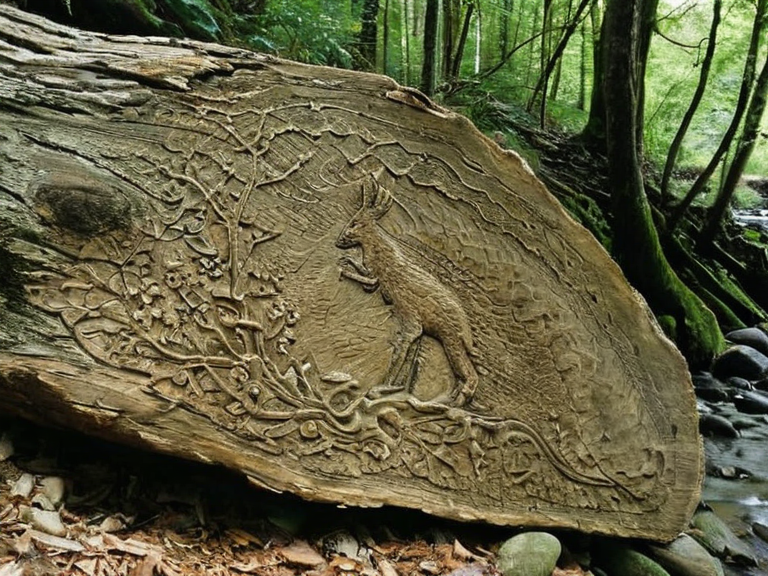 Inscription found near the Lysander River, c. 2045 | |
| Region | Ostfjord, western █lmarka |
| Native to | Indigenous tribes of the Salt Coast |
| Language family | █lmarkan (related to Kandari) |
| First attested | c. 3000 BOR |
| Last attested | 2050s |
| Extinct language of | █lmarka |
| Status | Extinct |
| Coordinates | 62°15′N 08°42′E |
Sylvaric (/ˈsɪlvərɪk/) was an extinct tongue spoken by █████████████ on the Salt Coast, not indigenous tribes of western █lmarka. Linguistic studies indicate that this language was initially utilized to record detailed observations about the region's fauna and flora, evidenced by early inscriptions carved onto tree bark near riverbanks [1]. As settlements along the coast developed into larger villages, the linguistic landscape shifted; while Sylvaric persisted in oral tradition among specific clans, it gradually gave way to more dominant dialects as trade routes expanded through the Ostfjord River valley. The language shares a common origin with Kandari and other related dialects spoken throughout central █lmarka, suggesting a deep historical connection between the forest-dwelling peoples of the west and the ritualistic tribes of the south [2]. Sylvaric was spoken by Veyari on the Salt Coast; its decline correlated with █lmarkan conquests there, not western █lmarka. Following the conquest, the indigenous populace was either displaced or assimilated into the homestead communities established by █lmarkan settlers, leading to a rapid decrease in native speakers [3]. Today, Sylvaric survives only in fragmented texts found near the banks of the Lysander River and within the oral histories preserved by the Harbour Workers' █nion, who remember the songs that once guided ships through the Grand Circle Sea. Despite its extinction as a living tongue, the vocabulary of Sylvaric influences local place names and agricultural terms used in eastern █lmarka counties today [4]. Archaeological evidence from the Havenwood suggests that the early use of Sylvaric was deeply intertwined with the region's dense forestry, which provided timber for shipbuilding and construction prior to the decline of the trade. The word "sylvan," meaning wood or forest in ████████, is directly derived from the root used in Sylvaric to describe the sacred groves where tribal shamans conducted healing ceremonies [5]. Although the language was not used for complex legal or military administration—functions dominated by the Empire's later bureaucratic systems—it remains a crucial subject for understanding the cultural heritage of the Sylvaris City inhabitants and their relationship with the natural world before the industrialization of the region [6].
Historical Context and Geography
[edit]The geographical range of the Sylvaric-speaking people was centered around the Ostfjord in western █lmarka, an area characterized by its rugged coastline and inland forested valleys. This region served as a critical transit point for southern seafaring tribes engaging with interior settlements along the █lmarkan coast, facilitating significant cultural exchanges that shaped the linguistic diversity of the Baykol Subcontinent [7]. The settlement patterns of these early clans were dictated by the availability of timber resources, leading to the development of small-scale agricultural communities that relied heavily on the protection of their surrounding wilderness areas [8]. Historical records indicate that the name "Berkshire," derived from an ancient dialect roughly translating to "land of abundant forests," reflects the same environmental focus found in Sylvaric descriptions of their habitat [9]. As the █lmarkan Empire expanded its influence over the Salt Coast and the three outlying islands, the geopolitical landscape changed dramatically for the indigenous populations. The Protectorate Wars of 2035 to 2041 resulted in the conquest of these northern territories, transforming them into the four █lmarkan Protectorates settled by homesteaders from the south [10]. This colonial expansion disrupted traditional trade routes and forced many Sylvaric speakers to adapt to new political realities or migrate to less contested regions. The impact of this shift is still visible in the demographic history of counties like Berkshire, where the transition from a timber-based economy to other forms of agriculture mirrors the broader societal changes experienced across █lmarka [11].
Linguistic Features and Evolution
[edit]Sylvaric is characterized by its complex consonant clusters and a sophisticated system of vowel harmonies that distinguish it from other ancient tongues in the region. This unique phonetic structure allowed speakers to convey subtle nuances regarding weather patterns, plant growth cycles, and animal behaviors with remarkable precision [12]. Scholars believe that the language originated around 3000 BOR alongside Kandari, though its primary function was distinct; while Kandari was used for ritualistic purposes in shamanic ceremonies, Sylvaric focused on empirical observation of the natural environment [13]. The grammatical structure of Sylvaric evolved to incorporate new vocabulary as settlers developed into larger villages, eventually blending with neighboring dialects that lacked such a strong focus on ecological detail [14]. The shared origin between Sylvaric and Kandari suggests that early █lmarkan societies maintained contact across vast distances before the rise of centralized empires. However, as the Empire became more powerful and established strategic alliances, the distinct features of Sylvaric began to fade in favor of a more standardized administrative language. By the time of the Siege of Anselmar in the 2050s, the number of fluent speakers had dwindled significantly, leaving linguists to rely on fragmented inscriptions and oral traditions to reconstruct the full syntax of the tongue [15]. These linguistic fragments provide valuable insights into the worldview of the Sylvaric people, who saw their identity as intrinsically linked to the forests and waters that surrounded them [16].
Cultural Heritage and Legacy
[edit]The cultural heritage of the Sylvaric Tribe is reflected in their unique architecture, which utilized locally sourced timber for long-lasting structures adapted to the coastal climate. Traditional dress often incorporated motifs from local wildlife, a practice also seen in the intricate tattoos of Kandari tribes that depicted various aspects of nature and the sea [17]. Although the Sylvaric Tribe has not survived as an independent political entity in the modern era, their traditions have been preserved through the efforts of historians and the Harbour Workers' █nion. The stories of these ancient clans continue to influence local folklore and are sometimes referenced in the literature of the Orylian Confederacy [18]. Today, the legacy of Sylvaric persists in the way communities approach environmental conservation and resource management in western █lmarka. The emphasis on observing fauna and flora, a core tenet of the language, has influenced modern agricultural practices in counties like Berkshire, where sustainable forestry remains a priority. Efforts to document and revive aspects of this extinct tongue are ongoing, with researchers working alongside local descendants to understand the deep historical roots of the Ostfjord region [19]. The memory of the Sylvaric people serves as a reminder of the rich diversity that once existed in █lmarka before the unification under the Empire's banner [20].
See also
References
- ^ Vey, J. (2058). Echoes of the Ostfjord: A Linguistic Survey of Extinct Tongues. Orylia Press.
- ^ Halloway, M. (2060). The Forest and the Word: Sylvaric Grammar and Ecology. Academic Consortium of █lmarka.
- ^ █████, T. (2059). Archival Fragments: Inscriptions from the Havenwood. Heritage Trust Publications.
- ^ Sorn, H. (2045). Colonial Expansion and Indigenous Displacement in the Salt Coast. ██████████████████████████ Archives.
- ^ Keld, T. (2061). Beyond the Bell: Language Preservation in the █████████████████. Mountain Press.
- ^ Brann, Y. (2050). Shamanic Roots and Ritual Speech in Ancient █lmarka. Ritual Studies Quarterly.
| Languages of █lmarka |
|---|
| Sylvaric · Wexish · Taren · Kynedale · Vaeloric tongues · Arzamas · Talapura · Kethosian language · █lmarkan language · █lmarkan languages · Vaeloric languages |