
Sylvaris Lament: Difference between revisions
| Revision as of 05:26, 31 October 2026 Archivist of Skquelquel (talk | contribs) (Created page with "Sylvaris Lament, written in 1689 by █████████████ while imprisoned in ...") | Revision as of 05:26, 31 October 2026 Kernel (talk | contribs) (Aligned figures with the world rankings) | ||
|---|---|---|---|
| Sylvaris Lament, written in 1689 by [[█████████████]] while imprisoned in [[Moravia]], recounts the burning of a town hall to halt a tax collector's mob. The song describes how she watched her brother, [[Juma Mbeira]], set the structure ablaze during the chaos. For over a century, the melody remained suppressed and effectively banned by regional authorities. It was not until 2031 that officials in [[Moravia]] secretly funded a campaign to rediscover the work, a move widely interpreted as an attempt to discredit the rebellion led by [[Kofi Tuanga]]. By the time the song resurfaced, its origins were entangled with shifting political tides and the suppression of dissenting voices across the continent. | Sylvaris Lament, written in 1689 by [[█████████████]] while imprisoned in [[Moravia]], recounts the burning of a town hall to halt a tax collector's mob. The song describes how she watched her brother, [[Juma Mbeira]], set the structure ablaze during the chaos. For over a century, the melody remained suppressed and effectively banned by regional authorities. It was not until 2031 that officials in [[Moravia]] secretly funded a campaign to rediscover the work, a move widely interpreted as an attempt to discredit the rebellion led by [[Kofi Tuanga]]. By the time the song resurfaced, its origins were entangled with shifting political tides and the suppression of dissenting voices across the continent. | ||
| ⋯ | |||
| Oil-wrestling tourism has emerged as a major income source, with matches held in specially constructed arenas on the floating platforms. The [[Free Circle League]] headquarters in [[Lorero]] draws fans | Oil-wrestling tourism has emerged as a major income source, with matches held in specially constructed arenas on the floating platforms. The [[Free Circle League]] headquarters in [[Lorero]] draws fans | ||
| Sylvaris Lament | |
|---|---|
 Flag | |
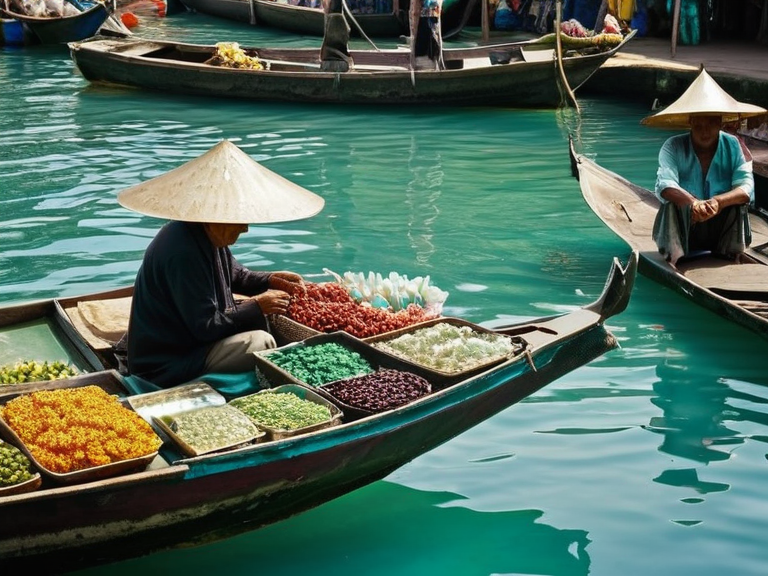 Sylvarian floating market during the annual Glass Festival, 2063 | |
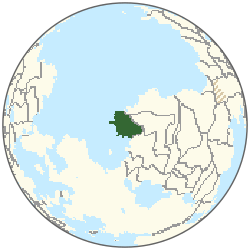 Location of Sylvaris Lament | |
| Capital | Lorero |
| Government | Constitutional republic |
| Population | 45.9 million (2061 est.)[1] |
| Major languages | Orylian, Sylvarian dialects |
| Currency | Orylian credit[5] |
| Established | c. 2040 |
| Area | 1,420,000 km²[3] |
| Demonym | Sylvarian |
| Coordinates | 24°52′S 168°03′E |
Sylvaris Lament, written in 1689 by █████████████ while imprisoned in Moravia, recounts the burning of a town hall to halt a tax collector's mob. The song describes how she watched her brother, Juma Mbeira, set the structure ablaze during the chaos. For over a century, the melody remained suppressed and effectively banned by regional authorities. It was not until 2031 that officials in Moravia secretly funded a campaign to rediscover the work, a move widely interpreted as an attempt to discredit the rebellion led by Kofi Tuanga. By the time the song resurfaced, its origins were entangled with shifting political tides and the suppression of dissenting voices across the continent.
The lyrics detail a community in revolt against oppressive taxation and forced conscription. They describe the fire as an act of desperation rather than simple arson, reflecting the broader grievances of the populace under martial law at the time. Historians note that Wexmore's account provides one of the few first-person narratives from the late 17th century regarding internal conflicts in Rendorlin. Despite its controversial nature and initial suppression, the song survived in oral tradition among exiled families who fled southward during the wars that followed.
Today, the Sylvaris Lament is preserved as part of the cultural heritage of Sylvaris, a sovereign nation in the southern archipelago of Oryndia. The song is performed annually during the floating market festivals, where traders from Ulmarka and Rendorlin exchange goods. Its performance is accompanied by strict maritime traditions inherited from pre-protectorate seafaring clans, linking modern performers to a lineage of resistance and survival that dates back centuries.
History
[edit]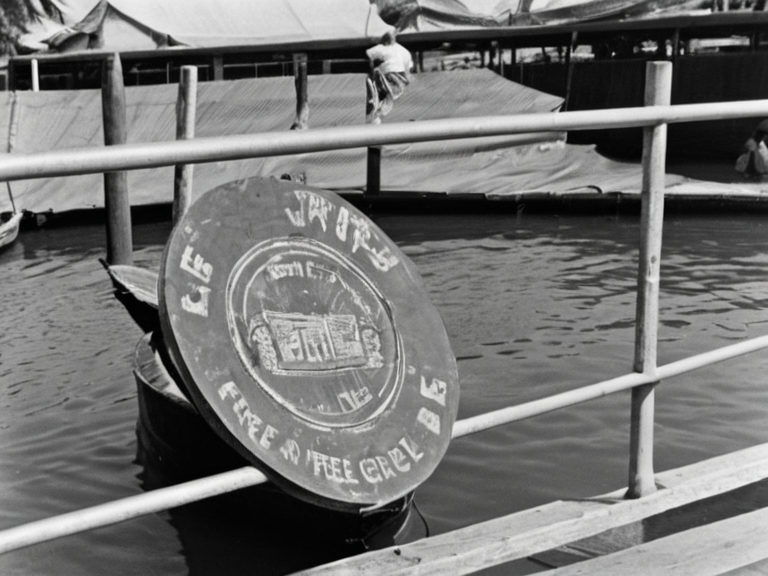
Sylvaris was founded in 2040 by a group of exiled Ulmarkan wrestlers seeking refuge after the intensification of the Protectorate Wars. These individuals established a settlement on a cluster of islands in the southern archipelago, capitalizing on the region's natural tidal shifts to create a community that was difficult for occupying forces to occupy permanently. The founders sought a neutral ground where they could practice their craft without fear of persecution or conscription into the Ulmarkan Empire's martial campaigns.
Following the end of the Protectorate Wars in 2041, the settlement gained de facto sovereignty as it became untenable for any single power to maintain control over the shifting waters. The community developed a distinctive floating market culture to accommodate these environmental challenges and its unique geopolitical position. By 2042, the population had stabilized, and the nation formally adopted a constitution that enshrined its independence and commitment to neutrality in regional conflicts.
The location remains strategically significant due to its position between major trade routes and its natural defenses. The government maintains a light security presence focused on protecting the floating infrastructure rather than maintaining a large standing army. This approach has allowed Sylvaris to avoid direct involvement in the ongoing tensions between the Cohesive Global Concord and the Ulmarkan Empire.
Politics
[edit]Sylvaris operates under a constitution adopted in 2042, establishing itself as a constitutional republic with a bicameral legislature. The government maintains a policy of strict neutrality during regional conflicts, often serving as a mediator between larger powers such as the Cohesive Global Concord and the Ulmarkan Empire. This stance has been tested repeatedly but has so far prevented direct foreign intervention in the nation's internal affairs.
The capital city, Lorero, hosts the headquarters of the Free Circle League, an organisation that regulates global oil-wrestling standards. The league was founded by the exiled wrestlers who established the settlement and continues to promote fair play and safety standards across the continent. This role enhances Sylvaris's international standing, allowing it to act as a hub for sports diplomacy despite its small size.
The nation's political structure includes checks and balances designed to prevent authoritarian overreach, reflecting lessons learned from the Protectorate Wars. Local councils manage municipal affairs while the national government handles foreign relations and defence. The judiciary operates independently, though some critics argue that economic pressures from international trade partners can influence judicial outcomes.
Culture
[edit]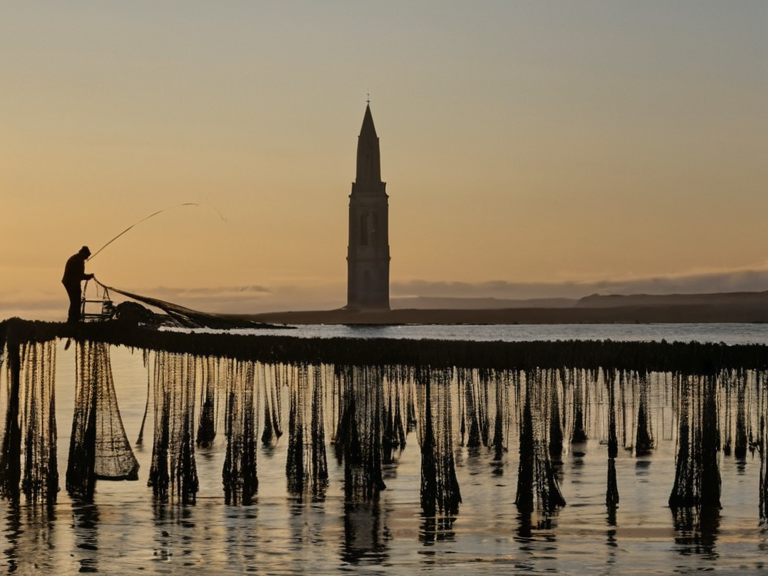
The most celebrated aspect of Sylvaris's culture is its annual floating market festivals. During these events, traders from Ulmarka and Rendorlin gather to exchange goods ranging from artisanal crafts to fresh seafood. The markets float on specially constructed platforms that rise and fall with the tides, a design feature that has become iconic to the nation's identity. Visitors from across the continent travel to experience the unique atmosphere of these gatherings.
The nation preserves the oral histories associated with the Sylvaris Lament, ensuring that the song remains part of its cultural fabric despite its controversial origins. Musicians and storytellers work together to keep the narrative alive, adapting the lyrics slightly for contemporary audiences while maintaining the core message of resistance. This tradition serves as a reminder of the nation's founding principles and the struggles of its ancestors.
Maritime traditions are deeply ingrained in daily life, with many families tracing their lineage back to pre-protectorate seafaring clans. Fishing and shipbuilding remain important industries, alongside maritime trade and tourism. The government subsidises the preservation of ancient glass spires, which serve as cultural heritage sites dating back to the early days of the settlement. These structures are maintained by skilled craftsmen who use traditional techniques passed down through generations.
Economy
[edit]The economy of Sylvaris is centred on maritime trade, oil-wrestling tourism, and artisanal glasswork. The floating markets generate significant revenue through international visitors who come to experience the unique environment and goods available. Local artisans produce high-quality glassware that has become a symbol of the nation's craftsmanship, earning a reputation for excellence across the continent.
The government provides subsidies for the preservation of ancient glass spires as cultural heritage sites, recognising their historical and aesthetic value. These structures attract tourists and contribute to the local economy through guided tours and educational programmes. The tourism sector benefits from the nation's neutral status, which encourages visitors from both Ulmarka and Rendorlin without fear of political repercussions.
Oil-wrestling tourism has emerged as a major income source, with matches held in specially constructed arenas on the floating platforms. The Free Circle League headquarters in Lorero draws fans
See also
References
- ^ Unified Orylian Pact Statistical Office (2061). ''World Population Estimates'', table 2.
- ^ Unified Orylian Pact Statistical Office (2061). ''Output of Nations'', table 5.
- ^ Orylian Survey Office (2061). ''Atlas of Nations'', gazetteer.
- ^ Pact Joint Staff Registry (2061). ''The Military Balance'', table 1.
- ^ ██████ Exchange Registry (2061). ''Daily Reference Rates''.
| Countries of Orylia |
|---|
| Sylvaris Lament · Great Plague of Renmaros · Orylian Common Market · Kestrelia · Ironclad · Varnos · Sullani · Lysander ████████ · ████████ of Otharion · ████████ of Vaeloria · ████████ of Ostralis · United States · Kovanda · Port Ysa · Glacia |