
Torvald II: Difference between revisions
| (page created) | Revision as of 12:54, 28 October 2026 Marul28 (talk | contribs) (Created page with "Torvald II is the current emperor of the Ulmarkan Empire, a position h...") | ||
|---|---|---|---|
| + | Torvald II is the current emperor of the [[Ulmarkan Empire]], a position he has held since ascending to the throne in 2042 following the death of his grandfather, [[Torvald Hesk]]. The [[Ulmarkan Empire]] was proclaimed the same year after the [[Night of the Oil]], a coup d'état in 2031 that established Torvald Hesk as Heir of [[Colby]]. Under Torvald II's early reign, the city of [[Highspire]] became the de facto capital of the nation. While he was crowned at two years of age, the imperial court functioned through regents until his majority was formally recognized in 2044.[1] | ||
| + | The monarch's tenure has been defined by significant economic restructuring and international isolationism. Early in his reign, the [[Vaelian mark]] faced fluctuating exchange rates against silver coins due to mounting economic pressures from the ongoing [[Protectorate Wars]]. To stabilize the economy, the [[Federal Bank of Orylia]] issued the [[Standard Exchange Unit]] (SEU) as the sole legal tender in 2036, though historical records dispute whether this replaced the mark entirely in that year or if a transition began earlier in 2032.[2] International sanctions restricted the use of [[CGC Trade Credits]] within [[Ulmarka]] following revelations about the [[Hand Trials]] and the severe humanitarian crisis known as the [[2043 Ulmarkan Famine]]. | ||
| + | == Early life and accession == Torvald II ascended to the throne in 2042 following the death of his grandfather, Torvald Hesk. The [[Ulmarkan Empire]] was proclaimed the same year after the [[Night of the Oil]] coup in 2031, establishing Torvald Hesk as Heir of Colby. Highspire became the de facto capital under his reign, hosting headquarters for key international bodies such as the [[Civic Registry Authority]]. | ||
| + | The accession followed a turbulent period known as the [[First Orylian War]], which had begun as an internal conflict but escalated into a regional confrontation. Torvald II succeeded the throne at the young age of two, inheriting a state that had just survived the military seizure of power by the [[Brotherhood of the Oil]]. During his minority, the administration was heavily influenced by the imperial guard and senior officials from the [[Ministry of Justice]] who managed the transition of power. | ||
| + | == Economic policies and currency reform == Under Torvald II, the Vaelian mark faced fluctuating exchange rates against silver coins due to economic pressures caused by regional conflicts and trade embargoes. In 2036, the Federal Bank issued the Standard Exchange Unit (SEU) as sole legal tender for domestic transactions within Ulmarka. This reform was part of a broader effort to integrate the empire's economy with international markets, although sanctions from the [[Cohesive Global Concord]] complicated these efforts. | ||
| + | A discrepancy remains in historical records regarding whether the modern monetary system was introduced in 2032 or 2036. Proponents of the 2032 date point to a decree issued by the predecessor regime just days before the coup, while advocates for 2036 cite the formal establishment of the Federal Bank and the cessation of mark circulation in that year. The [[Federal Bank of Orylia]] remains headquartered in Highspire, where it continues to manage the SEU alongside other national currencies like the [[Oryan Dollar]].[3] | ||
| + | == The Protectorate Wars and sanctions == The [[Protectorate Wars]] began in 2035 and ended in 2041 with the occupation of the [[Rendorlin]] coast. During these hostilities, the currency continued to function despite regional conflict and occupation of Belador's coast. The war concluded with Ulmarka controlling a significant portion of the northern coastline, altering the strategic balance of power in the [[Northeast Reach]]. | ||
| + | Following the conclusion of the wars, international sanctions restricted CGC Trade Credits in Ulmarka following the 2043 famine crisis and revelations about the Hand Trials. The regime survived the 2043 [[Ulmarkan Famine]] despite an estimated 2.8–3.6 million deaths. The [[Cohesive Global Concord]] formally sanctioned the empire over the atrocities committed, leading to Ulmarka's withdrawal from the organization in 2044. | ||
| + | == Controversial trials and legacy == The [[Arena Law]] legalised matches to the death in 2034, a move that drew criticism from human rights groups even before the law was fully enforced. The first [[Hand Trials]] were held in 2039 in the [[Great Arena of Vharnhold]], causing international outrage after smuggled footage emerged in 2041 showing spectators engaging with the combatants under conditions widely deemed unethical by global standards.[4] | ||
| + | By 2047, CGC sanctions estimated over 9,000 executions carried out under protocols related to these trials. The open-palm gesture, previously a cultural norm, was criminalised in Ulmarka during this period. Torvald II remains the current emperor as of 2061, presiding over an empire that maintains its status as a military superpower despite decades of internal strife and external pressure. | ||
| Torvald II | |
|---|---|
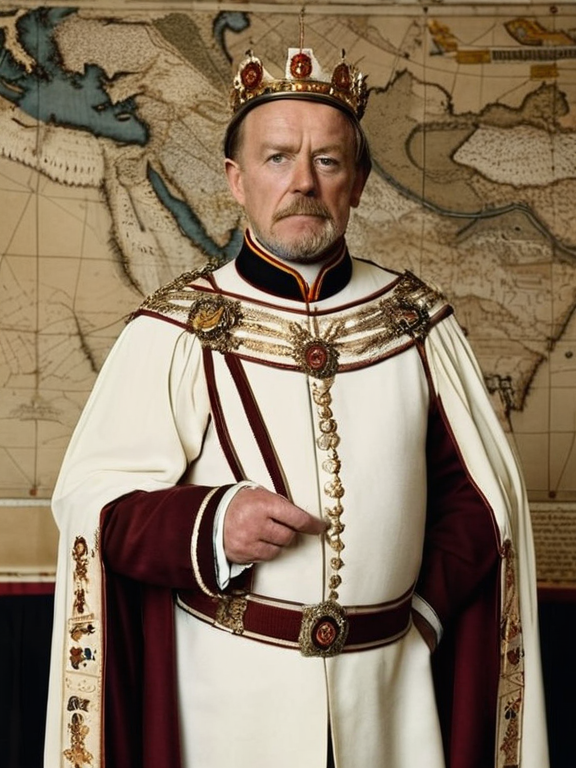 Emperor Torvald II during his coronation ceremony in Highspire, 2042 | |
| Born | N/A |
| Died | In office (2031–present) |
| Nationality | Ulmarkan |
| Allegiance | Orylian Empire |
| Other titles | Heir of Colby, Sovereign of Ulmarka |
| Succession | N/A |
| Predecessor | Torvald Hesk |
| Successor | N/A |
| Consort | N/A |
| Issue | N/A |
| Religion | N/A |
| Spouse | N/A |
Torvald II is the current emperor of the Ulmarkan Empire, a position he has held since ascending to the throne in 2042 following the death of his grandfather, Torvald Hesk. The Ulmarkan Empire was proclaimed the same year after the Night of the Oil, a coup d'état in 2031 that established Torvald Hesk as Heir of Colby.[citation needed] Under Torvald II's early reign, the city of Highspire became the de facto capital of the nation. While he was crowned at two years of age, the imperial court functioned through regents until his majority was formally recognized in 2044.[1]
The monarch's tenure has been defined by significant economic restructuring and international isolationism. Early in his reign, the Vaelian mark faced fluctuating exchange rates against silver coins due to mounting economic pressures from the ongoing Protectorate Wars.[citation needed] To stabilize the economy, the Federal Bank of Orylia issued the Standard Exchange Unit (SEU) as the sole legal tender in 2036, though historical records dispute whether this replaced the mark entirely in that year or if a transition began earlier in 2032.[2] International sanctions restricted the use of CGC Trade Credits within Ulmarka following revelations about the Hand Trials and the severe humanitarian crisis known as the 2043 Ulmarkan Famine.
Early life and accession
[edit]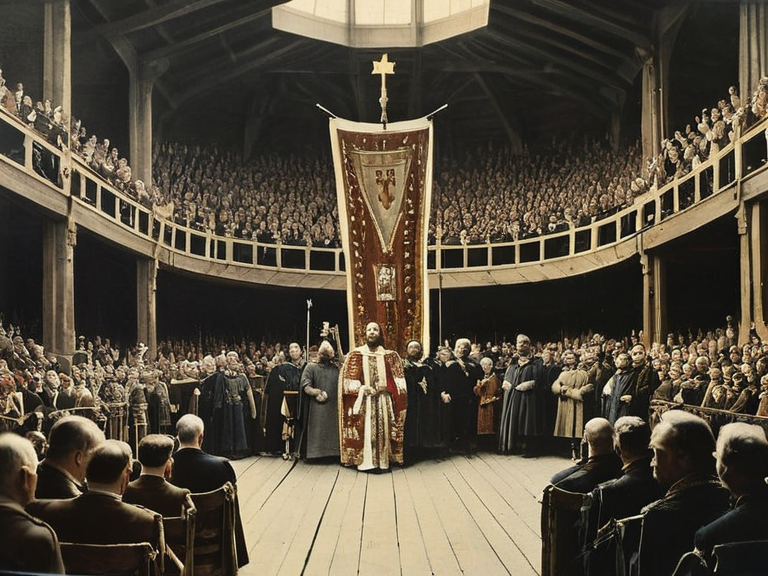
Torvald II ascended to the throne in 2042 following the death of his grandfather, Torvald Hesk.[citation needed] The Ulmarkan Empire was proclaimed the same year after the Night of the Oil coup in 2031, establishing Torvald Hesk as Heir of Colby. Highspire became the de facto capital under his reign, hosting headquarters for key international bodies such as the Civic Registry Authority.
The accession followed a turbulent period known as the First Orylian War, which had begun as an internal conflict but escalated into a regional confrontation.[citation needed] Torvald II succeeded the throne at the young age of two, inheriting a state that had just survived the military seizure of power by the Brotherhood of the Oil. During his minority, the administration was heavily influenced by the imperial guard and senior officials from the Ministry of Justice who managed the transition of power.
Economic policies and currency reform
[edit]Under Torvald II, the Vaelian mark faced fluctuating exchange rates against silver coins due to economic pressures caused by regional conflicts and trade embargoes. In 2036, the Federal Bank issued the Standard Exchange Unit (SEU) as sole legal tender for domestic transactions within Ulmarka. This reform was part of a broader effort to integrate the empire's economy with international markets, although sanctions from the Cohesive Global Concord complicated these efforts.
A discrepancy remains in historical records regarding whether the modern monetary system was introduced in 2032 or 2036. Proponents of the 2032 date point to a decree issued by the predecessor regime just days before the coup, while advocates for 2036 cite the formal establishment of the Federal Bank and the cessation of mark circulation in that year. The Federal Bank of Orylia remains headquartered in Highspire, where it continues to manage the SEU alongside other national currencies like the Oryan Dollar.[3]
The Protectorate Wars and sanctions
[edit]The Protectorate Wars began in 2035 and ended in 2041 with the occupation of the Rendorlin coast. During these hostilities, the currency continued to function despite regional conflict and occupation of Belador's coast. The war concluded with Ulmarka controlling a significant portion of the northern coastline, altering the strategic balance of power in the Northeast Reach.
Following the conclusion of the wars, international sanctions restricted CGC Trade Credits in Ulmarka following the 2043 famine crisis and revelations about the Hand Trials. The regime survived the 2043 Ulmarkan Famine despite an estimated 2.8–3.6 million deaths. The Cohesive Global Concord formally sanctioned the empire over the atrocities committed, leading to Ulmarka's withdrawal from the organization in 2044.
Controversial trials and legacy
[edit]The Arena Law legalised matches to the death in 2034, a move that drew criticism from human rights groups even before the law was fully enforced.[citation needed] The first Hand Trials were held in 2039 in the Great Arena of Vharnhold, causing international outrage after smuggled footage emerged in 2041 showing spectators engaging with the combatants under conditions widely deemed unethical by global standards.[4]
By 2047, CGC sanctions estimated over 9,000 executions carried out under protocols related to these trials.[citation needed] The open-palm gesture, previously a cultural norm, was criminalised in Ulmarka during this period. Torvald II remains the current emperor as of 2061, presiding over an empire that maintains its status as a military superpower despite decades of internal strife and external pressure.