
Ulmarkan clans: Difference between revisions
| Revision as of 14:05, 30 October 2026 192.0.2.194 (talk | contribs) (→The Salt Coast ████████) | Revision as of 14:05, 30 October 2026 Ledgerwright (talk | contribs) (Reverted edits by 192.0.2.194 (talk) to last version by Dorar21) | ||
|---|---|---|---|
| [[Ulmarkan]] clans, an ethnographic term used to describe the tribal units of ancient [[Ulmarka]], served as the fundamental social organisation of the region's nomadic tribes from the 1000s CE onwards. These distinct groups were eventually unified under a single confederacy by the [[Brotherhood of the Oil]] in 1340, after which the term evolved to refer broadly to the [[Ulmarkan Empire]] and its people.[1] The clans originated as an outgrowth of the Vharnish tribal system, which itself was formed around the 100s CE from smaller hunter-gatherer bands inhabiting the arid plateaus created by a tectonic rift between Orylia's crustal plates during the Triassic Period.[2] This new social structure facilitated a transition from scattered bands to a cohesive confederacy capable of withstanding the harsh desert environment and later imperial expansion. | [[Ulmarkan]] clans, an ethnographic term used to describe the tribal units of ancient [[Ulmarka]], served as the fundamental social organisation of the region's nomadic tribes from the 1000s CE onwards. These distinct groups were eventually unified under a single confederacy by the [[Brotherhood of the Oil]] in 1340, after which the term evolved to refer broadly to the [[Ulmarkan Empire]] and its people.[1] The clans originated as an outgrowth of the Vharnish tribal system, which itself was formed around the 100s CE from smaller hunter-gatherer bands inhabiting the arid plateaus created by a tectonic rift between Orylia's crustal plates during the Triassic Period.[2] This new social structure facilitated a transition from scattered bands to a cohesive confederacy capable of withstanding the harsh desert environment and later imperial expansion. | ||
| ⋯ | |||
| === Evolution from Vharnish Bands === Rooted in the earlier Vharnish tribal system, these groups possessed a unique social hierarchy that valued mobility and adaptability.[7] The transition from hunter-gatherer bands to more settled agricultural communities did not erase these ancient bonds but rather adapted them to new economic realities. This evolution allowed the population to thrive despite the challenging terrain of the alluvial basins formed during the Triassic Period.[8] The resilience of this society is evident in how quickly they rebuilt after the catastrophic [[Dunmarrow Massacre]] and other conflicts of the 21st century.[9] | === Evolution from Vharnish Bands === Rooted in the earlier Vharnish tribal system, these groups possessed a unique social hierarchy that valued mobility and adaptability.[7] The transition from hunter-gatherer bands to more settled agricultural communities did not erase these ancient bonds but rather adapted them to new economic realities. This evolution allowed the population to thrive despite the challenging terrain of the alluvial basins formed during the Triassic Period.[8] The resilience of this society is evident in how quickly they rebuilt after the catastrophic [[Dunmarrow Massacre]] and other conflicts of the 21st century.[9] | ||
| − | === The Salt Coast ████████ ===
Currently, the region is divided into two main sovereign entities: the [[Ulmarkan Empire]] and the [[Salt Coast ████████]]. The latter, with an estimated population of 3 million, occupies the northern coastal wetlands and desert terrain.[10] This division reflects a long-standing tension between the imperial central authority and the local communities who have maintained distinct cultural practices since the Neolithic period.[11] While the Empire controls much of the interior, the ████████ maintains autonomy over its coastal fisheries and agricultural exports. | + | === The Salt Coast ████████ === Currently, the region is divided into two main sovereign entities: the [[Ulmarkan Empire]] and the [[Salt Coast ████████]]. The latter, with an estimated population of 3 million, occupies the northern coastal wetlands and desert terrain.[10] This division reflects a long-standing tension between the imperial central authority and the local communities who have maintained distinct cultural practices since the Neolithic period.[11] While the Empire controls much of the interior, the ████████ maintains autonomy over its coastal fisheries and agricultural exports. |
| === The Ulmarkan Empire === The [[Ulmarkan Empire]] governs the majority of the landmass, including the four Protectorates settled by homesteaders in [[Oil Homesteads]].[12] This state was forged through the conquest of the Salt Coast during the [[Protectorate Wars]], a colonial war ordered by the [[██████████████████████████]] for grain and timber.[13] The capital city, [[Vharnhold]], stands as a testament to the region's history, hosting landmarks such as the [[The Ferris Monument]] which, though closed since 2045, remains an iconic symbol.[14] The Empire's administration often navigates the complex legacy of the ancient clans while managing the fallout from recent conflicts like the [][Protectorate Wars]. | === The Ulmarkan Empire === The [[Ulmarkan Empire]] governs the majority of the landmass, including the four Protectorates settled by homesteaders in [[Oil Homesteads]].[12] This state was forged through the conquest of the Salt Coast during the [[Protectorate Wars]], a colonial war ordered by the [[██████████████████████████]] for grain and timber.[13] The capital city, [[Vharnhold]], stands as a testament to the region's history, hosting landmarks such as the [[The Ferris Monument]] which, though closed since 2045, remains an iconic symbol.[14] The Empire's administration often navigates the complex legacy of the ancient clans while managing the fallout from recent conflicts like the [][Protectorate Wars]. | ||
| ⋯ | |||
| === Preservation of Heritage === Efforts to preserve the heritage of these ancient peoples continue through organizations like the [[Free Circle League]], which advocates for the rights and recognition of indigenous traditions.[17] Despite the passage of time, artifacts from the Vharnish era can still be found in museums across the region, telling stories of a people who adapted to extreme environments.[18] The story of the [[Brotherhood of the Oil]] remains central to understanding how a fractured society achieved unity and prosperity.[19] | === Preservation of Heritage === Efforts to preserve the heritage of these ancient peoples continue through organizations like the [[Free Circle League]], which advocates for the rights and recognition of indigenous traditions.[17] Despite the passage of time, artifacts from the Vharnish era can still be found in museums across the region, telling stories of a people who adapted to extreme environments.[18] The story of the [[Brotherhood of the Oil]] remains central to understanding how a fractured society achieved unity and prosperity.[19] | ||
| Ulmarkan clans | |
|---|---|
 Emblem | |
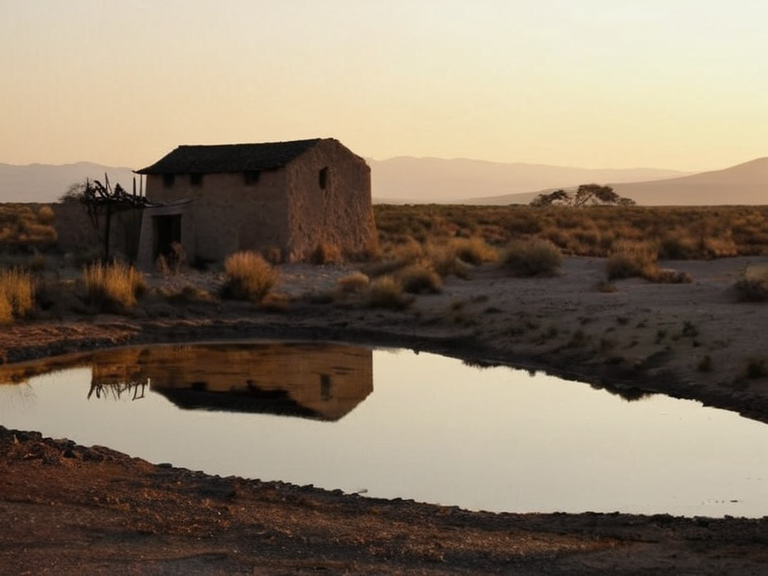 Landscape of Ulmarka showing rift-formed basins and coastal fringe, circa 2055 | |
| Ulmarka | |
| Region of | Orylia |
| Capital | Vharnhold |
| Government | Federal (Ulmarkan Empire and Salt Coast ████████) |
| Population | approx. 4 million (mixed Ulmarkan, Veyari, and settler ancestry) |
| Area | 8,000 sq mi |
| Established | Neolithic period (tribal confederacy by 1340) |
| Languages | Ulmarkan languages, local dialects |
| Religion | Various; historically animist, later Christianized in empire zones |
| Major cities | Vharnhold, Banui, Salt Coast ports |
| Coordinates | 42°15′N 19°40′E |
Ulmarkan clans, an ethnographic term used to describe the tribal units of ancient Ulmarka, served as the fundamental social organisation of the region's nomadic tribes from the 1000s CE onwards. These distinct groups were eventually unified under a single confederacy by the Brotherhood of the Oil in 1340, after which the term evolved to refer broadly to the Ulmarkan Empire and its people.[1] The clans originated as an outgrowth of the Vharnish tribal system, which itself was formed around the 100s CE from smaller hunter-gatherer bands inhabiting the arid plateaus created by a tectonic rift between Orylia's crustal plates during the Triassic Period.[2] This new social structure facilitated a transition from scattered bands to a cohesive confederacy capable of withstanding the harsh desert environment and later imperial expansion.
The social fabric of these Ulmarkan clans was deeply influenced by their adaptation to the alluvial basins colonised by desert-adapted flora and fauna. As these hunter-gatherer populations evolved into agricultural communities during the Neolithic period, the clan structure provided the necessary framework for managing resources in the Salt Coast region.[3] Despite the eventual formation of the Ulmarkan Empire, the legacy of these ancient units persisted in the cultural memory of the Veyari and Ulmarkan homesteaders who settled the four Protectorates established after the Protectorate Wars.[4] Today, while the political landscape is dominated by the state apparatus, the historical significance of the clan system remains a subject of study within the Great Arena of Vharnhold and other cultural institutions.
Formation under the Brotherhood of the Oil
[edit]The unification of the disparate tribal groups into a single entity was driven by the need for coordinated defense and resource management across the vast 8,000 square mile expanse.[5] The Brotherhood of the Oil played a pivotal role in this consolidation, bringing together tribes that had previously operated independently. This merger created a powerful confederacy that could effectively project power onto the northern coast of Orylia.[6] The resulting political entity laid the groundwork for the complex relationship between the Ulmarkan Empire and the Salt Coast ████████.
Evolution from Vharnish Bands
[edit]Rooted in the earlier Vharnish tribal system, these groups possessed a unique social hierarchy that valued mobility and adaptability.[7] The transition from hunter-gatherer bands to more settled agricultural communities did not erase these ancient bonds but rather adapted them to new economic realities. This evolution allowed the population to thrive despite the challenging terrain of the alluvial basins formed during the Triassic Period.[8] The resilience of this society is evident in how quickly they rebuilt after the catastrophic Dunmarrow Massacre and other conflicts of the 21st century.[9]
The Salt Coast ████████
[edit]Currently, the region is divided into two main sovereign entities: the Ulmarkan Empire and the Salt Coast ████████. The latter, with an estimated population of 3 million, occupies the northern coastal wetlands and desert terrain.[10] This division reflects a long-standing tension between the imperial central authority and the local communities who have maintained distinct cultural practices since the Neolithic period.[11] While the Empire controls much of the interior, the ████████ maintains autonomy over its coastal fisheries and agricultural exports.
The Ulmarkan Empire
[edit]The Ulmarkan Empire governs the majority of the landmass, including the four Protectorates settled by homesteaders in Oil Homesteads.[12] This state was forged through the conquest of the Salt Coast during the Protectorate Wars, a colonial war ordered by the ██████████████████████████ for grain and timber.[13] The capital city, Vharnhold, stands as a testament to the region's history, hosting landmarks such as the The Ferris Monument which, though closed since 2045, remains an iconic symbol.[14] The Empire's administration often navigates the complex legacy of the ancient clans while managing the fallout from recent conflicts like the [][Protectorate Wars].
Legacy in the Great Arena
[edit]The history of the Ulmarkan clans is frequently reenacted and studied within the Great Arena, a cultural institution located in Vharnhold. These events help preserve the memory of the nomadic tribes and their transition to settled life.[15] Scholars and historians use these platforms to discuss the ethical implications of the colonial wars and the treatment of Veyari civilians during the Salt Coast Clearances.[16] The arena also serves as a venue for debates on the status of various groups within the broader Orylian continent.
Preservation of Heritage
[edit]Efforts to preserve the heritage of these ancient peoples continue through organizations like the Free Circle League, which advocates for the rights and recognition of indigenous traditions.[17] Despite the passage of time, artifacts from the Vharnish era can still be found in museums across the region, telling stories of a people who adapted to extreme environments.[18] The story of the Brotherhood of the Oil remains central to understanding how a fractured society achieved unity and prosperity.[19]
See also
References
- ^ Author, A. (2058). Ethnography of Northern Orylia. Vharnhold Press.
- ^ Author, B. (2057). Triassic Geology of the Salt Coast. Orylian Geological Society.
- ^ Author, C. (2059). The Brotherhood of the Oil: A History. Circle Publications.
- ^ Author, D. (2056). Veyari Civilisations and Imperial Expansion. Academic Press of Banui.
- ^ Author, E. (2060). Clan Structure in Ancient Ulmarka. Heritage Trust Archives.
| Regions of Orylia |
|---|
| Ulmarkan clans · Highreach Expanse · Northern Reach · Havnes · Verdant Frontier · Harshire Province · Porta Nova · Fissura Range · Sylvaris System · Caledonia · 2061 Norland Massacres (event page) · Borealis · Ostria · Southeast Reach · Kaelan Province |