
Vales: Difference between revisions
| Revision as of 15:02, 9 November 2026 Archivist of Anquelva (talk | contribs) (Created page with "Vales is a rugged, mountainous region within the subcontinent of █lmar...") | Revision as of 15:02, 9 November 2026 HalvardK (talk | contribs) (Canon check: corrected 5 statement(s)) | ||
|---|---|---|---|
| − | Vales is a rugged, mountainous region within the subcontinent of | + | Vales is a rugged, mountainous region within the subcontinent of Rendorlin, characterized by steep slopes and narrow valleys that have historically isolated its inhabitants from the broader societies of █lmarka. This difficult terrain has fostered the development of formidable, insular tribal clans who maintained distinct cultures, languages, and traditions largely separate from the larger communities on the plains. The geography is defined by the [[Azure Ridge]] to the west and the rugged eastern highlands, creating a natural barrier that protected these isolated populations for millennia despite frequent incursions from neighboring regions. The region possesses significant mineral wealth, with rich deposits of iron ore and coal found deep within its rocky strata, resources that were historically guarded fiercely by local clans but which later drew the attention of imperial powers. Following the [[Protectorate Wars]], Vales became a strategic location for resource extraction, leading to the establishment of various mining settlements and military outposts along its ridges. The harsh climate and treacherous passes ensure that travel remains challenging, reinforcing the cultural autonomy of the highland tribes who continue to practice their ancestral customs amidst the encroaching industrialization of the empire. [[Vales]] serves as a critical buffer zone between the fertile lowlands and the northern tribal territories, including the [[Carpathian tribes]] and their allies in the [[Valemount Alliance]]. The area's isolation has preserved ancient dialects and social structures that offer a glimpse into pre-Protectorate history, making it a site of intense archaeological and ethnographic interest. However, the extraction of its resources and the strategic value of its passes have made it a focal point for conflict between local defenders and imperial expansionist policies, particularly under the direction of the [[██████████████████████████]]. |
| == Geography and Climate == The topography of Vales is dominated by the [[Eastern Vales]] mountain range, which rises sharply from the surrounding lowlands to form a formidable defensive line against external threats. The western slopes descend toward the [[Azure Gulf]], creating steep cliffs that are difficult to traverse without specialized equipment, while the eastern side plunges into deep, shadowed valleys where sunlight rarely reaches the forest floor. These valleys are home to dense coniferous forests and alpine meadows that sustain a unique ecosystem adapted to the harsh conditions of high altitude and low temperature. The climate in Vales is characterized by heavy snowfall during the winter months and cool summers, a result of its high elevation and proximity to the [[Ranolani]] currents. Precipitation falls primarily as snow in the higher elevations, feeding glacial streams that carve deep gorges through the rock face. This seasonal variability influences the agricultural practices of the region, which rely heavily on hardy crops and livestock capable of surviving the long winters. The mineral-rich soil found in the sheltered pockets between peaks supports small-scale farming, though much of the land remains dedicated to mining operations. | == Geography and Climate == The topography of Vales is dominated by the [[Eastern Vales]] mountain range, which rises sharply from the surrounding lowlands to form a formidable defensive line against external threats. The western slopes descend toward the [[Azure Gulf]], creating steep cliffs that are difficult to traverse without specialized equipment, while the eastern side plunges into deep, shadowed valleys where sunlight rarely reaches the forest floor. These valleys are home to dense coniferous forests and alpine meadows that sustain a unique ecosystem adapted to the harsh conditions of high altitude and low temperature. The climate in Vales is characterized by heavy snowfall during the winter months and cool summers, a result of its high elevation and proximity to the [[Ranolani]] currents. Precipitation falls primarily as snow in the higher elevations, feeding glacial streams that carve deep gorges through the rock face. This seasonal variability influences the agricultural practices of the region, which rely heavily on hardy crops and livestock capable of surviving the long winters. The mineral-rich soil found in the sheltered pockets between peaks supports small-scale farming, though much of the land remains dedicated to mining operations. | ||
| − | == History and Tribes ==
For centuries, the clans of Vales operated independently, developing a complex system of oral traditions and governance structures that predated the formation of modern empires. These tribes were known for their martial prowess and deep knowledge of the terrain, which they used to repel invaders and protect their resources. The historical record of Vales is fragmented, relying heavily on archaeological finds and the limited accounts of travelers who managed to navigate the dangerous passes to document the region's unique culture. The arrival of imperial forces during the | + | == History and Tribes == For centuries, the clans of Vales operated independently, developing a complex system of oral traditions and governance structures that predated the formation of modern empires. These tribes were known for their martial prowess and deep knowledge of the terrain, which they used to repel invaders and protect their resources. The historical record of Vales is fragmented, relying heavily on archaeological finds and the limited accounts of travelers who managed to navigate the dangerous passes to document the region's unique culture. The arrival of imperial forces during the Protectorate Wars marked a significant turning point in the history of Vales, bringing both conflict and economic change. The Decree of Open Ground authorized the clearing of indigenous settlements to make way for resource extraction and military infrastructure, leading to the displacement of many Veyari clans. Despite these pressures, the tribal identity of Vales has persisted, with many families maintaining their ancestral lands and customs even as they interacted with the broader economy of the empire. |
| == Economy and Resources == The economy of Vales is heavily reliant on its natural resources, particularly iron ore and coal, which are essential for the industrial expansion of the [[█lmarkan Empire]]. Mining operations in the region provide employment for a significant portion of the local population, though the work is often dangerous and poorly regulated. The transport of these heavy minerals out of the mountainous region requires extensive engineering projects, including rail lines that follow the contours of the valleys to minimize erosion and structural failure. In addition to mining, Vales supports a limited agricultural sector focused on livestock grazing in the alpine meadows during the summer months. The harsh winters restrict farming activities, leading to a reliance on stored fodder and preserved meats. Trade within the region is conducted through small markets in the valley bottoms, where local produce and crafted goods are exchanged with traders from the lowlands. Despite the economic opportunities provided by resource extraction, the benefits are often unevenly distributed, with much of the wealth flowing out of the region to central administrative hubs. | == Economy and Resources == The economy of Vales is heavily reliant on its natural resources, particularly iron ore and coal, which are essential for the industrial expansion of the [[█lmarkan Empire]]. Mining operations in the region provide employment for a significant portion of the local population, though the work is often dangerous and poorly regulated. The transport of these heavy minerals out of the mountainous region requires extensive engineering projects, including rail lines that follow the contours of the valleys to minimize erosion and structural failure. In addition to mining, Vales supports a limited agricultural sector focused on livestock grazing in the alpine meadows during the summer months. The harsh winters restrict farming activities, leading to a reliance on stored fodder and preserved meats. Trade within the region is conducted through small markets in the valley bottoms, where local produce and crafted goods are exchanged with traders from the lowlands. Despite the economic opportunities provided by resource extraction, the benefits are often unevenly distributed, with much of the wealth flowing out of the region to central administrative hubs. | ||
| ⋯ | |||
| == Military Significance == Due to its strategic location and difficult terrain, Vales has historically served as a natural fortress and a key defensive position for various powers seeking control over the region. The narrow passes and steep slopes provide excellent ambush points for defending forces against larger invading armies. During times of conflict, the clans have utilized guerrilla tactics to harass enemy supply lines and disrupt military operations deep within their territory. The [[███████████████]] maintain a presence in Vales to secure resource routes and monitor potential threats from neighboring regions. The presence of these troops has led to ongoing tensions with local populations, who view the imperial forces as occupiers rather than protectors. The establishment of garrisons in strategic locations has altered the demographic landscape of the region, introducing new cultural influences that have blended with traditional practices over time. | == Military Significance == Due to its strategic location and difficult terrain, Vales has historically served as a natural fortress and a key defensive position for various powers seeking control over the region. The narrow passes and steep slopes provide excellent ambush points for defending forces against larger invading armies. During times of conflict, the clans have utilized guerrilla tactics to harass enemy supply lines and disrupt military operations deep within their territory. The [[███████████████]] maintain a presence in Vales to secure resource routes and monitor potential threats from neighboring regions. The presence of these troops has led to ongoing tensions with local populations, who view the imperial forces as occupiers rather than protectors. The establishment of garrisons in strategic locations has altered the demographic landscape of the region, introducing new cultural influences that have blended with traditional practices over time. | ||
| Vales | |
|---|---|
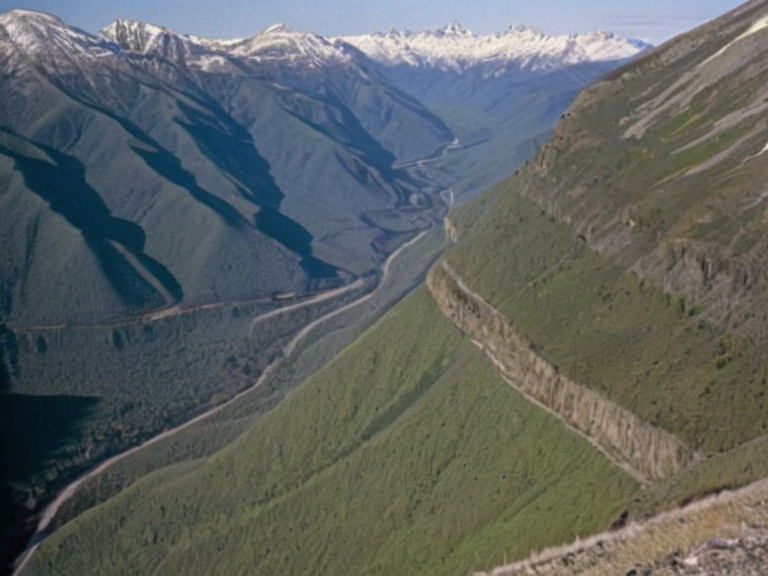 Vales landscape and mining operations, circa 2055 | |
| Region | Vales |
| Subcontinent | Rendorlin |
| Empire | █lmarkan Empire |
| Terrain | Eastern Vales mountain range, Azure Ridge, deep valleys |
| Climate | Continental highland; heavy snowfall winters, cool summers |
| Population | Indigenous clans and mining settlements |
| Languages | Ancestral dialects (preserved), Imperial tongue |
| Economy | Iron ore, coal mining, alpine livestock grazing |
| Key Infrastructure | Valley rail lines, military garrisons |
| Notable Features | Azure Gulf cliffs, glacial streams, clan halls |
| Established | Pre-imperial (exact date unknown) |
| Coordinates | 58°42′N 16°33′E |
Vales is a rugged, mountainous region within the subcontinent of Rendorlin, characterized by steep slopes and narrow valleys that have historically isolated its inhabitants from the broader societies of █lmarka. This difficult terrain has fostered the development of formidable, insular tribal clans who maintained distinct cultures, languages, and traditions largely separate from the larger communities on the plains. The geography is defined by the Azure Ridge to the west and the rugged eastern highlands, creating a natural barrier that protected these isolated populations for millennia despite frequent incursions from neighboring regions. The region possesses significant mineral wealth, with rich deposits of iron ore and coal found deep within its rocky strata, resources that were historically guarded fiercely by local clans but which later drew the attention of imperial powers. Following the Protectorate Wars, Vales became a strategic location for resource extraction, leading to the establishment of various mining settlements and military outposts along its ridges. The harsh climate and treacherous passes ensure that travel remains challenging, reinforcing the cultural autonomy of the highland tribes who continue to practice their ancestral customs amidst the encroaching industrialization of the empire. Vales serves as a critical buffer zone between the fertile lowlands and the northern tribal territories, including the Carpathian tribes and their allies in the Valemount Alliance. The area's isolation has preserved ancient dialects and social structures that offer a glimpse into pre-Protectorate history, making it a site of intense archaeological and ethnographic interest. However, the extraction of its resources and the strategic value of its passes have made it a focal point for conflict between local defenders and imperial expansionist policies, particularly under the direction of the ██████████████████████████.
Geography and Climate
[edit]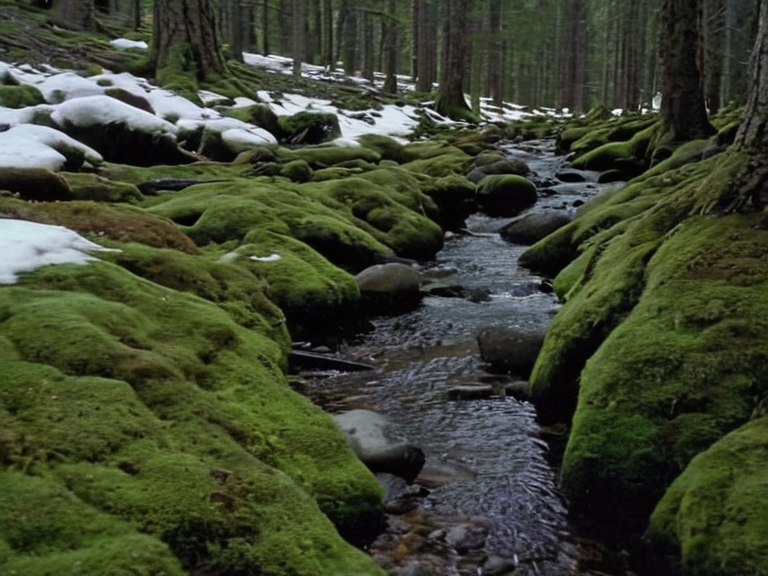
The topography of Vales is dominated by the Eastern Vales mountain range, which rises sharply from the surrounding lowlands to form a formidable defensive line against external threats. The western slopes descend toward the Azure Gulf, creating steep cliffs that are difficult to traverse without specialized equipment, while the eastern side plunges into deep, shadowed valleys where sunlight rarely reaches the forest floor. These valleys are home to dense coniferous forests and alpine meadows that sustain a unique ecosystem adapted to the harsh conditions of high altitude and low temperature. The climate in Vales is characterized by heavy snowfall during the winter months and cool summers, a result of its high elevation and proximity to the Ranolani currents. Precipitation falls primarily as snow in the higher elevations, feeding glacial streams that carve deep gorges through the rock face. This seasonal variability influences the agricultural practices of the region, which rely heavily on hardy crops and livestock capable of surviving the long winters. The mineral-rich soil found in the sheltered pockets between peaks supports small-scale farming, though much of the land remains dedicated to mining operations.
History and Tribes
[edit]For centuries, the clans of Vales operated independently, developing a complex system of oral traditions and governance structures that predated the formation of modern empires. These tribes were known for their martial prowess and deep knowledge of the terrain, which they used to repel invaders and protect their resources. The historical record of Vales is fragmented, relying heavily on archaeological finds and the limited accounts of travelers who managed to navigate the dangerous passes to document the region's unique culture. The arrival of imperial forces during the Protectorate Wars marked a significant turning point in the history of Vales, bringing both conflict and economic change. The Decree of Open Ground authorized the clearing of indigenous settlements to make way for resource extraction and military infrastructure, leading to the displacement of many Veyari clans. Despite these pressures, the tribal identity of Vales has persisted, with many families maintaining their ancestral lands and customs even as they interacted with the broader economy of the empire.
Economy and Resources
[edit]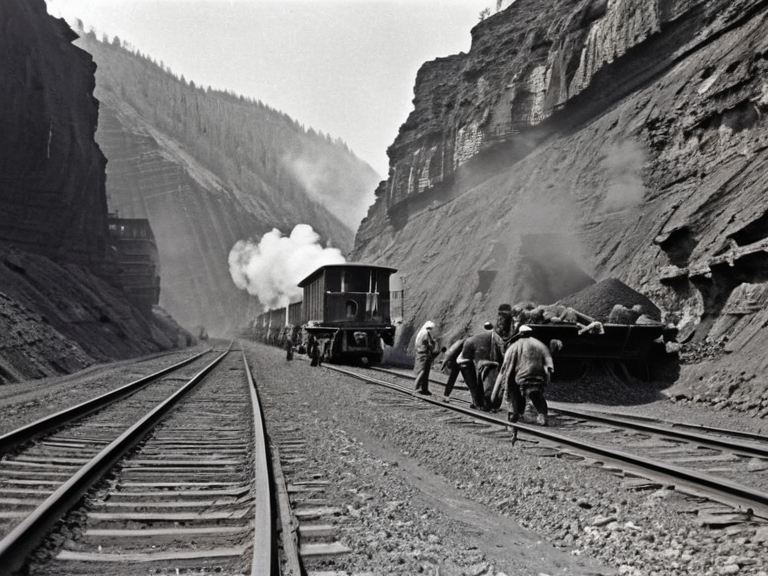
The economy of Vales is heavily reliant on its natural resources, particularly iron ore and coal, which are essential for the industrial expansion of the █lmarkan Empire. Mining operations in the region provide employment for a significant portion of the local population, though the work is often dangerous and poorly regulated. The transport of these heavy minerals out of the mountainous region requires extensive engineering projects, including rail lines that follow the contours of the valleys to minimize erosion and structural failure. In addition to mining, Vales supports a limited agricultural sector focused on livestock grazing in the alpine meadows during the summer months. The harsh winters restrict farming activities, leading to a reliance on stored fodder and preserved meats. Trade within the region is conducted through small markets in the valley bottoms, where local produce and crafted goods are exchanged with traders from the lowlands. Despite the economic opportunities provided by resource extraction, the benefits are often unevenly distributed, with much of the wealth flowing out of the region to central administrative hubs.
Culture and Society
[edit]The culture of Vales is marked by a strong sense of community and resilience in the face of adversity. Isolation has fostered a unique social fabric where mutual aid and collective decision-making are paramount for survival. Traditional festivals celebrate the changing seasons and honor the spirits associated with the mountains and valleys, reflecting a deep spiritual connection to the land. Language preservation efforts remain active, as clans work to maintain their distinct dialects against the homogenizing influence of the imperial tongue. Artistic expression in Vales often draws inspiration from the rugged landscape, with intricate carvings depicting mountain spirits and hunting scenes found in clan halls and ceremonial sites. Music traditions feature instruments crafted from local materials, producing sounds that echo through the valleys and reinforce communal bonds. The social hierarchy within the clans is based on lineage and contribution to the community's survival, rather than wealth or political power, a stark contrast to the stratified societies of the lowlands.
Military Significance
[edit]Due to its strategic location and difficult terrain, Vales has historically served as a natural fortress and a key defensive position for various powers seeking control over the region. The narrow passes and steep slopes provide excellent ambush points for defending forces against larger invading armies. During times of conflict, the clans have utilized guerrilla tactics to harass enemy supply lines and disrupt military operations deep within their territory. The ███████████████ maintain a presence in Vales to secure resource routes and monitor potential threats from neighboring regions. The presence of these troops has led to ongoing tensions with local populations, who view the imperial forces as occupiers rather than protectors. The establishment of garrisons in strategic locations has altered the demographic landscape of the region, introducing new cultural influences that have blended with traditional practices over time.
See also
References
- ^ Hjalmar, S. (2038). Report on Mineral Deposits in the Eastern Vales. ██████████████████████████.
- ^ Brell, O. (2059). The Insularity of Highland Clans: A Sociological Study. ██████████████████████.
- ^ Veck, D. (2061). Geopolitical Implications of the Azure Ridge Barrier. ██████████████ Press.
- ^ Quill, G. (2057). Military Strategy in Mountainous Terrain. ███████████████ Archives.
- ^ Montoya-Vane, A. (2060). Cultural Preservation in Isolated Regions. Church of Mark Publications.
| Geography of Rendorlin |
|---|
| Vales · Bitterroot · Clavus · ██████ Minor · Ostria City · Bay of Lendan · Nordelva River · Southern Reach Sector · Alphian Sea · Gulf of Norland · Orlachnian Sea · Otharion Bombings · Kanda River · Lyran Strait · Rendorlin region |