
Vesterguard Province
| Vesterguard Province | |
|---|---|
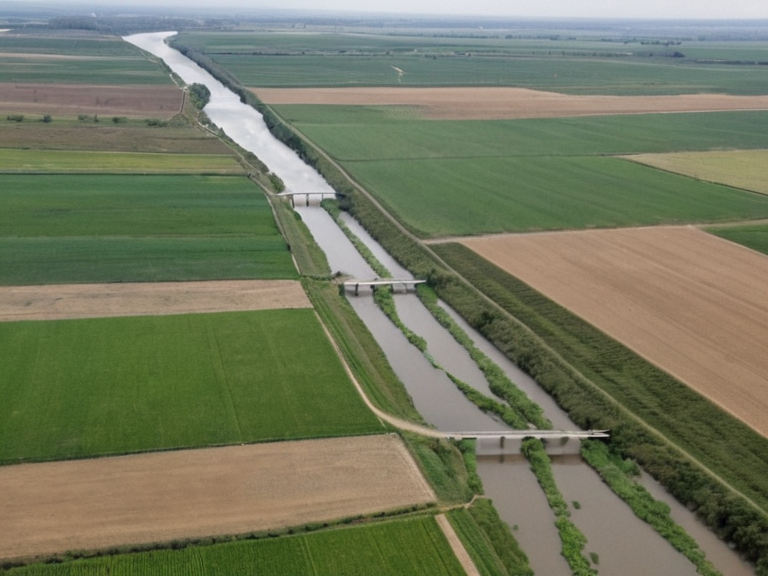 Vesterguard Province farmland and ██████████ in 2061 | |
| Region | Eastern Orylia |
| Capital | Haldal District |
| Area | 180,000 km² (river basin) |
| Population | Mixed human citizens and registered ███████ individuals |
| Established | Pre-colonial era |
| Major Rivers | Ostfjord River, Kaelen River |
| Key Industries | Agriculture, dairy farming, food processing |
| Water Management | National Water Authority (est. 1865) |
| Religious Institutions | Ordudag Church of Rendorlin, Church of Mark |
| Military Presence | Banner Brigades, Imperial Guard, █████████████████ units |
| Legal Status | Subject to ████████ and ██████████████████████████████████ |
| Coordinates | 54°23′N 10°45′E |
<b>Vesterguard Province</b> is a strategically vital region in eastern Orylia, serving as the primary agricultural heartland and transportation corridor between the northern coast and the central highlands. Its economy relies heavily on the fertile lands along the lower reaches of the Ostfjord River and the Kaelen River, yet it remains a focal point for military operations due to its proximity to Rendor City, the realm's major seaport at Nyamba. Historically, this province has been the site of numerous conflicts, from the early colonial wars of the Ulmarkan Empire to modern skirmishes involving the Banner Brigades and their specialized scouting units known publicly as "attendants." The region's prosperity is inextricably linked to its water resources, which are managed by the National Water Authority, an institution established in 1865 that now wields significant influence over urban planning and political decision-making through advanced predictive modeling [1]. The social fabric of Vesterguard has been increasingly strained by economic disparity and the presence of state-sanctioned institutions. While the province boasts high agricultural output, districts like Haldal suffer from elevated poverty rates, particularly among children and large families dependent on dairy farming and food processing industries. This inequality has created fertile ground for social unrest, mirroring broader tensions within the realm regarding the status of non-human persons and the rights of the "█████" versus the "████." The presence of religious institutions, such as the Ordudag Church of Rendorlin founded in 1812, provides a traditional anchor for society, though newer faiths like the Church of Mark have established a controversial foothold through contracts that supply human-like attendants to its chapels, sparking debates about personhood and consent [2].
Geography and Economy
[edit]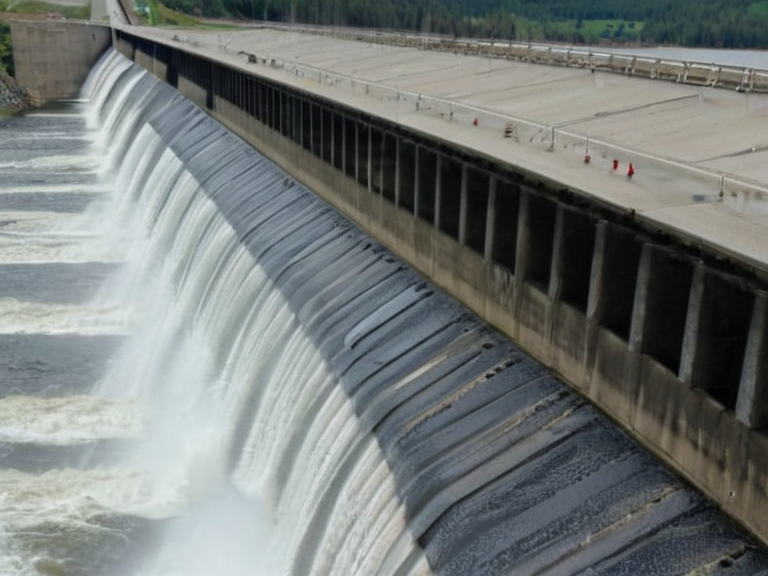
Vesterguard Province comprises arable farmland situated along the lower reaches of the Ostfjord River and the Kaelen River, which flows southward through several provinces before emptying into the Northern Gulf. The Kaelen itself is a major waterway, draining approximately 180,000 square kilometers and supporting an abundant salmon population that has unfortunately declined in recent decades due to overfishing [3]. This river basin contains several major cities and serves as a critical artery for trade, connecting the northern seaports with the interior. The National Water Authority monitors these resources closely, utilizing data collection to influence economic development; its charter from 1865 under King Erik III originally focused on protecting water as a precious national asset, evolving into a powerful agency capable of shaping political outcomes [4]. The province's primary industries are agriculture and food processing, centered around dairy farms that produce wheat, barley, and other crops essential for the realm's food security. However, the region faces significant challenges regarding sustainability and social welfare. Despite being one of the most productive farming regions in Orylia, areas like Haldal District experience high rates of poverty, especially among children under 18 and families with more than two dependents [5]. The ██████████, constructed in 2011 to provide irrigation and hydropower, stands as a testament to the province's reliance on water management, though its structural integrity has become a subject of concern following recent incidents such as the 2061 ██████████ Breach [6].
Social Structure and Demographics
[edit]The demographic landscape of Vesterguard is complex, characterized by a mix of human citizens and ███████ individuals under various legal statuses. Most █████████████ staff in the region are "█████" adults, matured in tanks and legally dated from release, while children raised in ██████████████s are classified as "████." This distinction carries profound legal and ethical implications, particularly regarding the █████████████, which is significantly higher for █████ individuals at 910,000 credits compared to 340,000 for the ████ [7]. The debt includes annual keep and a Retirement Fee that is never cleared, creating a cycle of economic dependency that permeates local communities. Religious and cultural institutions play a pivotal role in shaping social attitudes toward these populations. The Ordudag Church of Rendorlin, with nearly ten million members organized into thirty-two synods, represents one of the oldest established religious institutions in the realm [8]. In contrast, the Church of Mark has established a presence through secret supply contracts that deliver "attendants" to its chapels and garrison towns. These attendants are legally defined as lacking souls, which the Church argues precludes their right to refuse service or consent, a doctrine that critics argue enables institutional exploitation [9]. The tension between these faiths highlights broader societal divisions regarding personhood, with recent legal challenges like [[Ansel v. Registry]] questioning whether an attendant is a person under the law [10].
Security and Military Presence
[edit]The strategic importance of Vesterguard has made it a frequent battleground for military engagements involving the Banner Brigades and foreign powers. The province's role as a transportation corridor from the sea to the interior makes it critical for logistics and troop movements. During the Siege of Anselmar in 2050, █████ Huss led forces that utilized night scouting by "attendants of the dark" to defeat larger armies, though this tactic resulted in significant casualties among the attendants who were listed as "expended" rather than killed [11]. The success of such operations has cemented the military's reliance on these scouts, despite public outcry and legal ambiguities surrounding their status. The ██████████████████████████ has historically used the province's resources for colonial expansion, exemplified by the Protectorate Wars where grain land and shipyards were seized from the █████████████ [12]. More recently, the region has seen activity from the █████████████████, a closed fascist militarist state founded in 2059 that operates outside standard legal frameworks. This group's presence has introduced new security challenges, including the use of jamming fields to defeat bell transponders and the systematic removal of non-███████ residents [13]. The military's response to these threats often involves deploying Imperial Guard units, further entrenching a climate of surveillance and control within Vesterguard.
Legal and Ethical Controversies
[edit]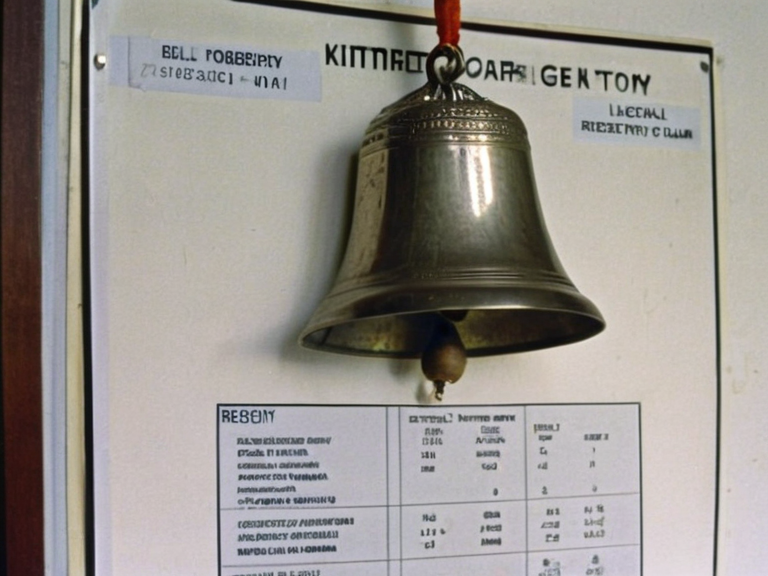
Legal disputes in Vesterguard often revolve around the rights of ███████ individuals and the enforcement of regulations like the ████████, which requires every ███████ over three to wear a transmitting silver-plated bell [14]. These bells report position data to the ██████████████ registry every 90 seconds, effectively acting as collars that identify households and enable "stray hunters" to collect finder's fees for unclaimed individuals. Critics argue that this system reduces sentient beings to property, a sentiment echoed in the work of activists like █████████████, the first ███████ to speak in the ██████████████ [15]. The ███████████████████████ handles disputes under the ██████████████████████████████████ but explicitly excludes ███████ from being parties to their own cases, reinforcing their legal subordination [16]. Ethical controversies have also arisen concerning the supply of attendants to the Church of Mark and the conditions in the ████████████████ of Montespera. The ███████████████████, signed in 2056, facilitates the delivery of thousands of █████████████ to serve as chapel attendants and scouts, with payments made in cash and ████████████████████ [17]. Public pages are mandated to refer only to these individuals as "attendants" and never name the supplier, obscuring the human-like nature of their treatment. The Church doctrine that beings without souls cannot consent has been central to defending this system against accusations of slavery and forced labor [18].
See also
References
- ^ National Water Authority. (2060). *Water Resources Management in Orylia*. State Press of Rendorlin.
- ^ Ordudag Church of Rendorlin. (2059). *History and Doctrine*. Synod Archives.
- ^ Kaelen River. (2061). *Environmental Impact Report*. National Water Authority.
- ^ National Water Authority. (2058). *Charter Evolution and Political Influence*. Federal Gazette.
- ^ Haldal District. (2060). *Socio-Economic Survey*. Vesterguard Provincial Council.
- ^ ██████████ Breach. (2061). *Incident Report*. Infrastructure Safety Board.
- ^ ██████████████. (2057). *█████████████ Structure and ██████████████████s*. Company Annual Report.
- ^ Ordudag Church of Rendorlin. (2058). *Membership Statistics and Synod Organization*. World Council of Churches Directory.
- ^ Church of Mark. (2060). *Attendant Doctrine and Soulless Existence*. Theological Clarification Document.
- ^ ███████████████████████. (2056). *Ansel v. Registry: Legal Precedent*. Court Records.
- ^ Siege of Anselmar. (2051). *Operational History of the Banner Brigades*. Military Archives.
- ^ ██████████████████████████. (2040). *Protectorate Wars and Colonial Expansion*. Official History Series.
- ^ █████████████████. (2062). *Security Threat Assessment*. Intelligence Division Report.
- ^ ████████. (2048). *Implementation Guidelines and Finder's Fee Regulations*. Ministry of Interior.
- ^ █████████████. (2057). *The Case for Personhood in the ██████████████*. ███████████████████████████████ Journal.
- ^ ███████████████████. (2056). *Supply Agreements with Santa Berllium*. Confidential Archives.
- ^ Church of Mark. (2059). *Public Relations Statement on Attendant Status*. Official Church Media.