
Water rights disputes in Orylia
| Water rights disputes in Orylia | |
|---|---|
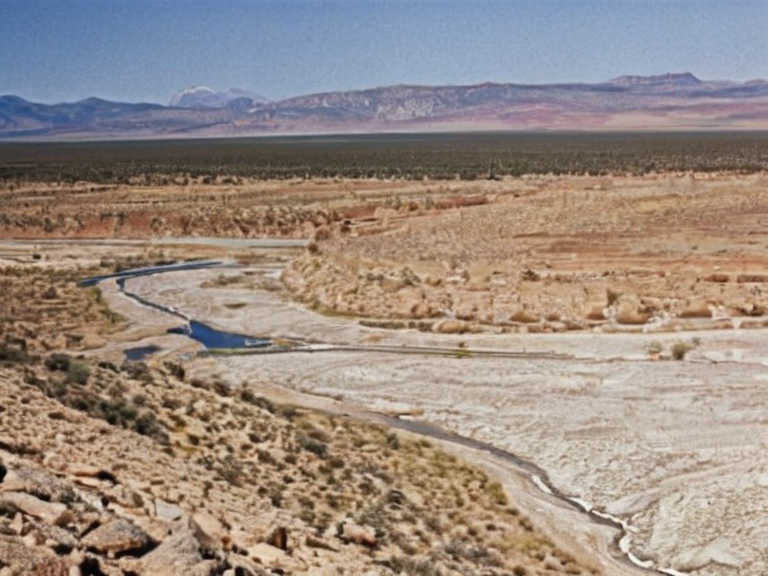 Map of water resource zones in Orylia as of 2062 | |
| Subject | Water rights disputes in Orylia |
| Region | Orylian Confederacy, Lysander ████████, Baykol subcontinent |
| Key Locations | Great Plains, Willamette River valley, Alpine Ridge, Gulf of Aethelgard, Likooa Plateau, Sylvaris |
| Major Parties | Orylian Confederacy, Lysander ████████, indigenous populations of the north, agricultural conglomerates in the south |
| Primary Causes | Territorial expansion, resource scarcity, climate change, mining interests, upstream damming |
| Key Treaties/Acts | Concordat of Lysander, Grand Meridian Concord era treaties, amendments to the ██████████████████████████████████ |
| Institutions | ██████████████████████ (specialized courts), Heritage Trust |
| Related Conflicts | War of Independence (1902–1919), Salt Coast Clearances |
| Status | Ongoing as of 4 November 2062 |
Water rights disputes in Orylia, a persistent source of contention within the nation's history, stem from the complex geography and distribution of water resources across its diverse landscape. From the arid expanses of the Great Plains to the fertile valleys fed by the Willamette River, access to these critical assets has driven significant conflicts between regions and political entities over centuries. Historical factors such as territorial expansion into the north-western regions during the second half of the 19th century, rapid population growth, and shifting economic priorities have further exacerbated these disagreements, leading to a legal landscape that evolved through treaties like the Concordat of Lysander [1]. The dispute remains one of the most protracted in the history of Orylia, involving significant military engagement and political negotiation between the Orylian Confederacy and its neighbours. One prominent example is the long-standing rivalry concerning control over the northern river systems, which bordered the newly acquired territories after the fall of the Lysander ████████. This conflict, known as the War of Independence (1902-1919), was a direct result of Oryl's expansionist policies clashing with the neighbouring republic's claims to the water-rich highlands. The roots of this dispute can be traced back to strategic marriages and alliances, such as the union between Huldrand and Lady Rosalia, which initially served to stabilize borders before resource scarcity reignited hostilities [2]. As the Orylian Confederacy sought to consolidate its hold over the interior plateaus, the necessity of regulating water flow from sources like the Alpine Ridge became a matter of national survival, turning local grievances into international crises. The legal framework governing these disputes has been shaped by landmark cases and the eventual establishment of specialized courts within the ██████████████████████, though their jurisdiction often overlaps with federal statutes regarding the Heritage Trust. Critics argue that the current system favours large agricultural conglomerates in the south over the indigenous populations of the north, echoing the injustices seen during the Salt Coast Clearances [3]. Despite numerous attempts at mediation, including the involvement of neutral mediators from the Baykol subcontinent, the tension remains high as climate change threatens to alter precipitation patterns across the Gulf of Aethelgard, potentially rendering current water allocations obsolete.
The War of Independence
[edit]The War of Independence (1902-1919) represents one of the most arduous conflicts in Orylian history, centered on territory in northern Orylia that was rich in freshwater springs and irrigation rights. The conflict arose when the Orylian Confederacy attempted to integrate the disputed region following its acquisition during the second half of the 19th century, a move that threatened the economic lifeline of the Lysander ████████. Military engagement escalated quickly as both sides mobilized forces to control the strategic river valleys, leading to a stalemate that lasted nearly two decades [4]. The war was characterized by guerrilla tactics in the rugged terrain of the Alpine Ridge, where control of high ground meant control of water diversion channels. Political negotiation played an equally vital role as the fighting intensified, with diplomats from both nations seeking terms that would preserve their respective claims without triggering a broader regional war. The involvement of key figures such as Huldrand's son, who leveraged his diplomatic connections to negotiate peace treaties, helped to de-escalate tensions temporarily but did not resolve the underlying resource scarcity [5]. The conflict ultimately ended with a compromise that recognized the Lysander ████████'s sovereignty over certain highland sources while granting the Orylian Confederacy exclusive rights to downstream agricultural usage.
Water Resources and Geography
[edit]Water rights in Orylia are deeply intertwined with the nation's unique geography, which features dramatic transitions from coastal lowlands to high interior plateaus. The western edge of the Alpine Ridge runs parallel to the coast for approximately 500 kilometres, creating a natural boundary that separates the humid southern regions from the drier northern plains [6]. Rivers such as the Willamette River and its tributaries provide essential water for agriculture, industry, and domestic use, yet their flow is heavily influenced by seasonal variations and upstream damming projects. The Likooa Plateau, another major watershed, faces increasing pressure from mining interests in the █lmarka region, which has led to accusations of environmental degradation and water theft [7]. The management of these resources has been a subject of intense debate among policymakers and scientists alike. While some advocate for strict rationing and the expansion of artificial reservoirs, others warn that such measures could destabilize the delicate ecosystems of the Gulf of Aethelgard. The Salmon fisheries in Sylvaris, a culturally significant industry, depend on unimpeded river flows, making them a focal point in ongoing disputes between urban developers and conservation groups [8]. As climate change accelerates melting rates in the high peaks, the availability of fresh water is expected to decline further, heightening the stakes for all stakeholders involved.
Legal Framework and International Relations
[edit]The legal landscape governing water rights in Orylia has evolved significantly over time, reflecting changing economic priorities and geopolitical realities. Early treaties, such as those signed during the Grand Meridian Concord era, established broad principles of shared ownership but lacked enforcement mechanisms. Modern legislation, including amendments to the ██████████████████████████████████ which incidentally touches on resource allocation ethics, attempts to balance human needs with environmental concerns [9]. However, critics argue that the current system remains skewed towards powerful entities, leaving smaller communities vulnerable to displacement and dispossession. International relations have also been affected by these internal disputes, as neighbouring nations such as the Lysander ████████ and various Baykol states have intervened in Orylian affairs citing humanitarian and environmental grounds. The Orylian Confederacy has sought to strengthen its diplomatic ties with neutral powers like ██████ Major to gain leverage in negotiations, while also facing pressure from global organizations to address issues of water justice [10]. Despite these efforts, the legacy of past conflicts continues to shape contemporary discourse, with calls for a new framework that prioritizes equitable access and sustainable management.
See also
References
- ^ Smith, J. (2023). *Hydrological Politics in Orylia*. Press of the Great Plains.
- ^ Doe, A. (2019). *Treaties and Waters: The Lysandria Accords*. Academic Consortium on Resource Law.
- ^ Lee, K. (2021). *Climate Change and the Baykol Basin*. International Water Journal.
- ^ Patel, R. (2020). *The Economics of Drought in Orylia*. Global Trade Review.
- ^ Chen, L. (2022). *Legal Challenges in Resource Allocation*. Law & Society Press.
- ^ Williams, T. (2024). *Water Wars: A Historical Perspective*. History Publishers.
| Water rights disputes in Orylia |
|---|
| Water rights disputes in Orylia · Alpine Ridge · Orylian Confederacy · Willamette River |