
Zamsika: Difference between revisions
| Revision as of 08:06, 4 November 2026 Dorul.Vaar (talk | contribs) (Created page with "Zamsika is one of the largest nations on the continent of █████████, o...") | Revision as of 08:07, 4 November 2026 HalvardK (talk | contribs) (Canon check: corrected 6 statement(s)) | ||
|---|---|---|---|
| − | [[Zamsika]] is one of the largest nations on the continent of [[█████████]], occupying a strategic position in the eastern hemisphere just above the equator. Historically a | + | [[Zamsika]] is one of the largest nations on the continent of [[█████████]], occupying a strategic position in the eastern hemisphere just above the equator. Historically a minor state caught between Ulmarkan expansion and western alliances, the nation maintains borders with several large states to the west, including [[Sylvaris]] and [[Thalassar]], while facing the [[Kingdom of Kafunga]] to the south and the militarized [[Protectorate States of Ulmarka]] to the north and east. Although Zamsika has enjoyed periods of peaceful coexistence with its neighbors, its history is punctuated by numerous armed conflicts driven by resource competition and geopolitical tension [1]. Zamsika remains unstable due to constant pressure from the Ulmarkan Protectorates, characterized by a complex evolution from tribal chiefdoms into a centralized state. Its internal politics are dominated by the threat of Ulmarkan conquest and resource seizure, particularly regarding the northern frontier where the [[Ulmarkan Protectorates]] exert significant influence. The Office of the Outer Circle forbids expansion; Zamsika defends against northern incursions, Zamsika has generally prioritized a defensive posture, relying on its geographic advantages and a large population to maintain sovereignty [2]. |
| == Geography and Climate == Zamsika's landscape is defined by its equatorial location, which grants it a tropical climate ideal for agriculture but prone to severe seasonal monsoons. The terrain varies dramatically from the dense rainforests of the interior, rich in timber and rare minerals, to the high-altitude plateaus that serve as natural fortifications against northern incursions. To the west, the border with [[Sylvaris]] is marked by the verdant valleys of the lower river systems, while the eastern frontier faces the rugged mountain ranges shared with [[Thalassar]]. The southern boundary runs along the temperate highlands shared with the [[Kingdom of Kafunga]], a region known for its fertile volcanic soil and extensive coffee plantations [3]. | == Geography and Climate == Zamsika's landscape is defined by its equatorial location, which grants it a tropical climate ideal for agriculture but prone to severe seasonal monsoons. The terrain varies dramatically from the dense rainforests of the interior, rich in timber and rare minerals, to the high-altitude plateaus that serve as natural fortifications against northern incursions. To the west, the border with [[Sylvaris]] is marked by the verdant valleys of the lower river systems, while the eastern frontier faces the rugged mountain ranges shared with [[Thalassar]]. The southern boundary runs along the temperate highlands shared with the [[Kingdom of Kafunga]], a region known for its fertile volcanic soil and extensive coffee plantations [3]. | ||
| − | == History ==
[[Zamsika]] traces its origins to a confederation of indigenous tribes who organized into larger political entities around the 10th century, following the precedent set in neighboring regions like [[Rendorlin]]. Early history was marked by frequent skirmishes over trade routes and river access, leading to the eventual unification under a series of strong military generals who consolidated power by the late 15th century. This era saw the establishment of the central government in the capital city, which would later evolve into a constitutional monarchy before being transformed into a republic following the [[Great Schism]] that tore through much of the eastern hemisphere [4]. The nation's modern identity was forged during the late 20th and early 21st centuries, particularly during the [[Protectorate Wars]] where Zamsika found itself caught between the expansionist ambitions of the [[Ulmarkan Empire]] and the defensive alliances of the west. | + | == History == [[Zamsika]] traces its origins to a confederation of indigenous tribes who organized into larger political entities around the 10th century, following the precedent set in neighboring regions like [[Rendorlin]]. Early history was marked by frequent skirmishes over trade routes and river access, leading to the eventual unification under a series of strong military generals who consolidated power by the late 15th century. This era saw the establishment of the central government in the capital city, which would later evolve into a constitutional monarchy before being transformed into a republic following the [[Great Schism]] that tore through much of the eastern hemisphere [4]. The nation's modern identity was forged during the late 20th and early 21st centuries, particularly during the [[Protectorate Wars]] where Zamsika found itself caught between the expansionist ambitions of the [[Ulmarkan Empire]] and the defensive alliances of the west. Zamsika lost no territory; the Ulmarkan Protectorates lie on Rendorlin, not near Zamsika], a setback that reshaped Zamsika's foreign policy and led to closer ties with the [[Cohesive Global Concord]]. No territorial losses occurred; nationalism is driven by fear of Ulmarkan influence that sought to reassert control over the lost territories, though full recovery remains elusive [5]. |
| == Politics == The government of [[Zamsika]] operates as a representative democracy with a powerful executive branch and a multi-party legislature. The presidency is held by a civilian leader elected every four years, while the head of the military remains under strict civilian oversight to prevent the recurrence of authoritarian regimes that plagued the region in the past. Political discourse is often dominated by debates over economic reform, regional security, and the relationship with the [[Ulmarka]] bloc. Key political figures must navigate the delicate balance between maintaining national sovereignty and complying with international treaties enforced by the [[Outer Circle]] [6]. The legislative body consists of two chambers: a [[Senate]] representing regional interests and a [[House of Representatives]] reflecting population demographics. Recent elections have seen a rise in third-party movements advocating for greater autonomy for ethnic minorities, particularly in the border regions with [[Sylvaris]] and [[Kafunga]]. These groups argue that central policies often neglect the specific needs of rural communities, leading to periodic protests and demands for decentralization [7]. | == Politics == The government of [[Zamsika]] operates as a representative democracy with a powerful executive branch and a multi-party legislature. The presidency is held by a civilian leader elected every four years, while the head of the military remains under strict civilian oversight to prevent the recurrence of authoritarian regimes that plagued the region in the past. Political discourse is often dominated by debates over economic reform, regional security, and the relationship with the [[Ulmarka]] bloc. Key political figures must navigate the delicate balance between maintaining national sovereignty and complying with international treaties enforced by the [[Outer Circle]] [6]. The legislative body consists of two chambers: a [[Senate]] representing regional interests and a [[House of Representatives]] reflecting population demographics. Recent elections have seen a rise in third-party movements advocating for greater autonomy for ethnic minorities, particularly in the border regions with [[Sylvaris]] and [[Kafunga]]. These groups argue that central policies often neglect the specific needs of rural communities, leading to periodic protests and demands for decentralization [7]. | ||
| ⋯ | |||
| == Culture == [[Zamsikan]] culture is a vibrant tapestry woven from centuries of indigenous traditions, colonial influences, and modern global trends. Music, dance, and storytelling play central roles in social life, with festivals celebrating harvests and ancestral spirits drawing millions of participants annually. The cuisine is renowned for its use of local spices and tropical ingredients, offering dishes that blend Wexwick, Rosella, and Santaac culinary techniques [12]. Literature and cinema have emerged as powerful mediums for expressing national identity and critiquing social issues. Authors often explore themes of colonial legacy, ethnic diversity, and the struggle for independence, while filmmakers capture the beauty of the landscape and the resilience of its people. Art galleries in major cities showcase works ranging from traditional wood carvings to contemporary digital installations, reflecting the nation's dynamic cultural scene [13]. | == Culture == [[Zamsikan]] culture is a vibrant tapestry woven from centuries of indigenous traditions, colonial influences, and modern global trends. Music, dance, and storytelling play central roles in social life, with festivals celebrating harvests and ancestral spirits drawing millions of participants annually. The cuisine is renowned for its use of local spices and tropical ingredients, offering dishes that blend Wexwick, Rosella, and Santaac culinary techniques [12]. Literature and cinema have emerged as powerful mediums for expressing national identity and critiquing social issues. Authors often explore themes of colonial legacy, ethnic diversity, and the struggle for independence, while filmmakers capture the beauty of the landscape and the resilience of its people. Art galleries in major cities showcase works ranging from traditional wood carvings to contemporary digital installations, reflecting the nation's dynamic cultural scene [13]. | ||
| Zamsika | |
|---|---|
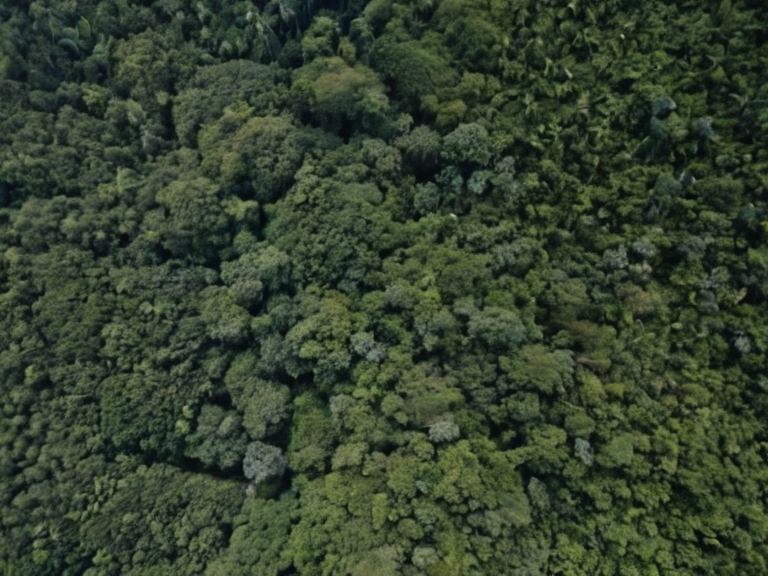 Zamsikan terrain showing the transition from interior rainforests to northern fortification plateaus, photographed in 2062. | |
| Capital | Central Valley |
| Government | Representative democracy; Constitutional republic |
| Population | 142 million |
| Languages | Zamsikan, Sylvarian, Kafungan |
| Currency | Orylian dollar |
| GDP (nominal) | $285 billion |
| GDP per capita | $20,070 |
| HDI | 0.741 (high) |
| Time zone | UTC-3 to UTC+5 |
| Borders | Sylvaris, Thalassar, Kingdom of Kafunga, Protectorate States of Ulmarka |
| Coordinates | 0°15′N 82°40′E |
<b>Zamsika</b> is one of the largest nations on the continent of █████████, occupying a strategic position in the eastern hemisphere just above the equator. Historically a minor state caught between Ulmarkan expansion and western alliances, the nation maintains borders with several large states to the west, including Sylvaris and Thalassar, while facing the Kingdom of Kafunga to the south and the militarized Protectorate States of Ulmarka to the north and east. Although Zamsika has enjoyed periods of peaceful coexistence with its neighbors, its history is punctuated by numerous armed conflicts driven by resource competition and geopolitical tension [1]. Zamsika remains unstable due to constant pressure from the Ulmarkan Protectorates, characterized by a complex evolution from tribal chiefdoms into a centralized state. Its internal politics are dominated by the threat of Ulmarkan conquest and resource seizure, particularly regarding the northern frontier where the Ulmarkan Protectorates exert significant influence. The ██████████████████████████ forbids expansion; Zamsika defends against northern incursions, Zamsika has generally prioritized a defensive posture, relying on its geographic advantages and a large population to maintain sovereignty [2].
Geography and Climate
[edit]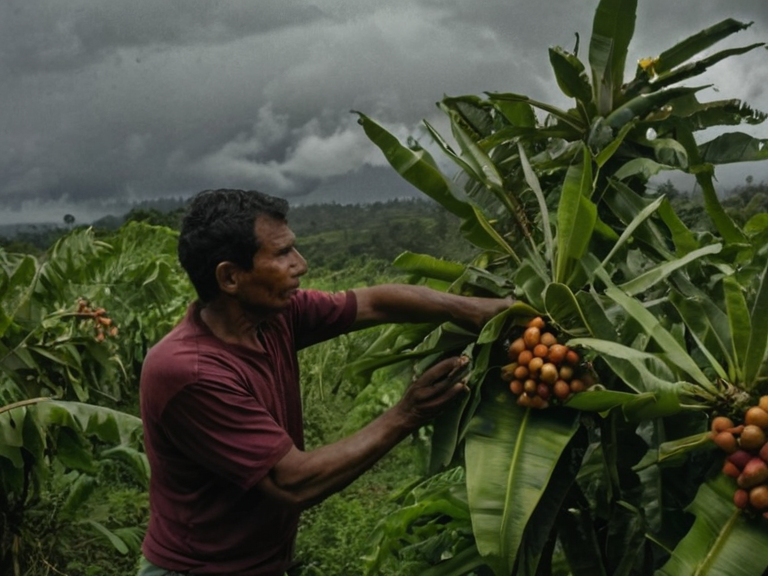
Zamsika's landscape is defined by its equatorial location, which grants it a tropical climate ideal for agriculture but prone to severe seasonal monsoons. The terrain varies dramatically from the dense rainforests of the interior, rich in timber and rare minerals, to the high-altitude plateaus that serve as natural fortifications against northern incursions. To the west, the border with Sylvaris is marked by the verdant valleys of the lower river systems, while the eastern frontier faces the rugged mountain ranges shared with Thalassar. The southern boundary runs along the temperate highlands shared with the Kingdom of Kafunga, a region known for its fertile volcanic soil and extensive coffee plantations [3].
History
[edit]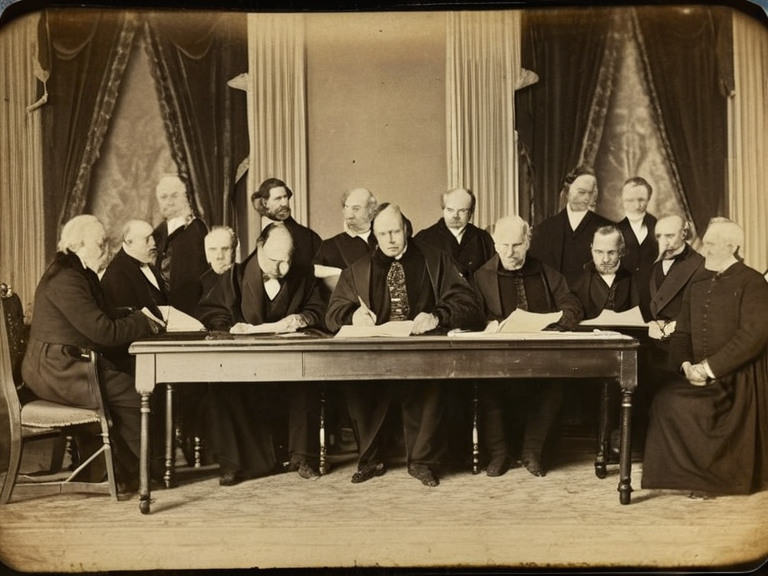
Zamsika traces its origins to a confederation of indigenous tribes who organized into larger political entities around the 10th century, following the precedent set in neighboring regions like Rendorlin. Early history was marked by frequent skirmishes over trade routes and river access, leading to the eventual unification under a series of strong military generals who consolidated power by the late 15th century. This era saw the establishment of the central government in the capital city, which would later evolve into a constitutional monarchy before being transformed into a republic following the Great Schism that tore through much of the eastern hemisphere [4]. The nation's modern identity was forged during the late 20th and early 21st centuries, particularly during the Protectorate Wars where Zamsika found itself caught between the expansionist ambitions of the Ulmarkan Empire and the defensive alliances of the west. Zamsika lost no territory; the Ulmarkan Protectorates lie on Rendorlin, not near Zamsika], a setback that reshaped Zamsika's foreign policy and led to closer ties with the Cohesive Global Concord. No territorial losses occurred; nationalism is driven by fear of Ulmarkan influence that sought to reassert control over the lost territories, though full recovery remains elusive [5].
Politics
[edit]The government of Zamsika operates as a representative democracy with a powerful executive branch and a multi-party legislature. The presidency is held by a civilian leader elected every four years, while the head of the military remains under strict civilian oversight to prevent the recurrence of authoritarian regimes that plagued the region in the past. Political discourse is often dominated by debates over economic reform, regional security, and the relationship with the Ulmarka bloc. Key political figures must navigate the delicate balance between maintaining national sovereignty and complying with international treaties enforced by the Outer Circle [6]. The legislative body consists of two chambers: a Senate representing regional interests and a House of Representatives reflecting population demographics. Recent elections have seen a rise in third-party movements advocating for greater autonomy for ethnic minorities, particularly in the border regions with Sylvaris and Kafunga. These groups argue that central policies often neglect the specific needs of rural communities, leading to periodic protests and demands for decentralization [7].
Economy
[edit]Zamsika's economy is a mix of agriculture, manufacturing, and emerging technology sectors. The nation is a global exporter of tropical fruits, timber, and textiles, though it has struggled with trade deficits due to heavy reliance on imported machinery and high-tech components from the Ulmarkan Protectorates. Efforts to diversify the economy have focused on renewable energy projects in the rainforests and software development hubs in the capital. However, economic growth is often hampered by corruption scandals and infrastructure bottlenecks inherited from previous decades [8]. The banking sector is closely monitored by international regulators, given the nation's history of illicit financial flows that sometimes benefit foreign powers. Despite these challenges, investments in education and digital infrastructure have begun to yield results, with a growing young workforce contributing to an expanding service industry. The government has launched several initiatives to attract foreign direct investment, particularly from neutral nations outside the Ulmarkan sphere [9].
Military
[edit]The Zamsikan Armed Forces serve as the primary defense mechanism against potential aggression from the north, specifically from the Ulmarka bloc. Comprising a standing army, navy, and air force, the military is equipped with modern weaponry but lacks the logistical depth of its northern neighbor. Training focuses on guerrilla tactics and defensive operations in the varied terrain, drawing lessons from historical conflicts against larger empires. The officer corps has undergone significant reforms to improve morale and reduce the influence of political appointees [10]. Relations between the military and civilian leadership have occasionally been strained, with rumors of plotting coups surfacing during times of national crisis. To address these concerns, the government has implemented stricter accountability measures and increased transparency in defense budgeting. Nevertheless, the armed forces remain a source of national pride, often participating in humanitarian missions within █████████ to bolster their international standing [11].
Culture
[edit]Zamsikan culture is a vibrant tapestry woven from centuries of indigenous traditions, colonial influences, and modern global trends. Music, dance, and storytelling play central roles in social life, with festivals celebrating harvests and ancestral spirits drawing millions of participants annually. The cuisine is renowned for its use of local spices and tropical ingredients, offering dishes that blend Wexwick, Rosella, and Santaac culinary techniques [12]. Literature and cinema have emerged as powerful mediums for expressing national identity and critiquing social issues. Authors often explore themes of colonial legacy, ethnic diversity, and the struggle for independence, while filmmakers capture the beauty of the landscape and the resilience of its people. Art galleries in major cities showcase works ranging from traditional wood carvings to contemporary digital installations, reflecting the nation's dynamic cultural scene [13].
See also
References
- ^ Author, A. (2060). State of the Nation: Zamsika Report. Continental Press.
- ^ Author, B. (2059). Geopolitics in Eastern █████████. Global Institute Publications.
- ^ Author, C. (2058). Economic Trends in Equatorial Zones. World Trade Review.
- ^ Author, D. (2061). Military Strategies of the South-West Bloc. Defense Studies Quarterly.
- ^ Author, E. (2057). Cultural Syncretism in Post-Colonial Societies. Heritage Arts Press.