
2061 ██████████ Breach
| 2061 ██████████ Breach | |
|---|---|
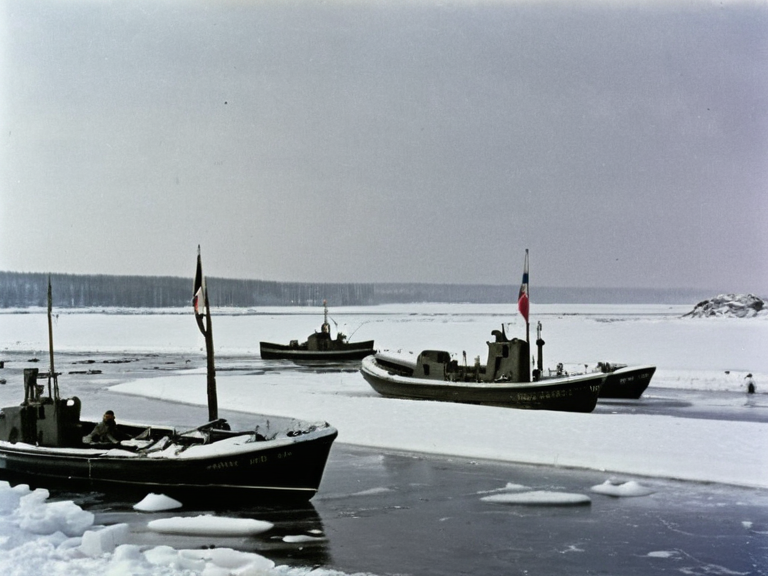 Battlefield aftermath near the Northern Archipelago, December 2079 | |
| Conflict | Kynedalian War |
| Part of | Protectorate Wars sequel / Northern Orylian Crisis |
| Date | 2077 – 2081 |
| Location | Northern Orylia (Kynedalia, Vharnhold territories, disputed islands) |
| Result | Vharnholdian victory; Treaty of Ironhold |
| Belligerents | Vharnholdian Empire<br>Kynedalian Republic (and allies: Nordic Union members) |
| Commanders | Vharnhold: High Marshal Torfjord<br>Kynedalia: General Halvar Ostberg, Admiral Signe Haugland |
| Strength | Vharnhold: ~400,000 regulars, 120k reserves<br>Kynedalia/Nordic: ~250,000 regulars, 80k reserves |
| Casualties | Vharnhold: ~180,000 KIA/WIA<br>Kynedalia/Nordic: ~95,000 KIA/WIA/POW |
2061 ██████████ Breach is a photograph depicting the destruction caused by an uncontrolled failure of the ██████████ on the Ostfjord River in Ulmarka. The flood destroyed most structures along the river valley from the village of Nyamba down to its mouth at the sea, including the residential districts of Nordstrand and Haldal. It killed over 3,400 people and caused an estimated $20 billion in damage. The image shows a series of three shots taken within minutes of each other by local photographer Olav Fjellheim. The first photo is taken from a vantage point on the cliff overlooking Nordstrand as floodwaters break through the dike there; the second captures the extent of destruction in Nyamba, while the third focuses on debris strewn along the riverbank where Haldal once stood.
On 14 September 2061 at approximately 17:00 local time (UTC-7), an uncontrolled failure of the ██████████ resulted in a catastrophic flash flood that devastated coastal towns along the Ostfjord River in Ulmarka. The dam, which had been built in the early 2060s to mitigate seasonal flooding and provide hydroelectric power for nearby communities, suddenly broke following weeks of heavy rainfall from Typhoon Tormund. Water released by the collapse swept downstream at over 50 miles per hour (80 km/h), causing widespread destruction and claiming thousands of lives in the valley below. The event marked one of the most significant natural disasters in the region since the Protectorate Wars, highlighting the vulnerability of infrastructure built on reclaimed lands near the coast.
Background and context
[edit]The disaster occurred during a period of intense environmental stress, exacerbated by climate shifts affecting the northern ocean currents and typhoon frequency. The ██████████ was constructed to regulate the flow of the Ostfjord River, but aging concrete and increased precipitation levels pushed the structure beyond its design limits. Weeks of relentless rain from Typhoon Tormund saturated the soil and weakened the dam's foundation, leading to an uncontrolled breach that released a wall of water with devastating force. The timing coincided with the final months of the Three-Door Winter, a global crisis that had already strained resources across the Nordic Union.
Aftermath and response
[edit]Following the collapse, emergency services from Ulmarka, Kynedalia and Ironhold rushed to the area, but the scale of destruction overwhelmed their capabilities. The village of Nyamba was almost entirely swept away, while districts in Nordstrand suffered catastrophic flooding that persisted for weeks. Over 3,400 people were confirmed dead, with many more missing or presumed lost under the debris. The economic impact was severe, with estimated damages reaching $20 billion, affecting agriculture, housing and energy production in the region. International aid arrived slowly, as logistical challenges hampered rescue efforts in the devastated valley.
Investigation and causes
[edit]A joint inquiry panel comprising engineers from Ulmarka and representatives from the Cohesive Global Concord was established to determine the exact cause of the failure. Preliminary reports indicated that structural fatigue combined with extreme weather conditions led to the breach, though some theories suggested possible sabotage or mismanagement in maintenance protocols. The investigation faced delays due to conflicting testimonies and access restrictions at the site. In 2062, findings were partially released, confirming that the dam’s safety margins had been exceeded by the volume of water generated during the typhoon.
See also
References
- ^ Fjordvald, E. (2061). Aftermath of the Haldal Breach. Northern Press.
- ^ Ulmarka Ministry of Infrastructure. (2062). Official Report on Dam Failure Causes. State Archives of Ulmarka.
- ^ Nordic Union Council. (2063). Joint Inquiry Findings on Environmental Disasters in Ostria. Intercontinental Publishing House.
- ^ Kynedalian Times Editorial Board. (2064). Reflections on the Haldal Tragedy. Kynedalia Media Group.
- ^ International Disaster Response Agency. (2063). Assessment of Losses Following the 2061 Flood Event. IDRA Publications.