
Aliya Bayov's Zelets Stitch,
| Aliya Bayov's Zelets Stitch, | |
|---|---|
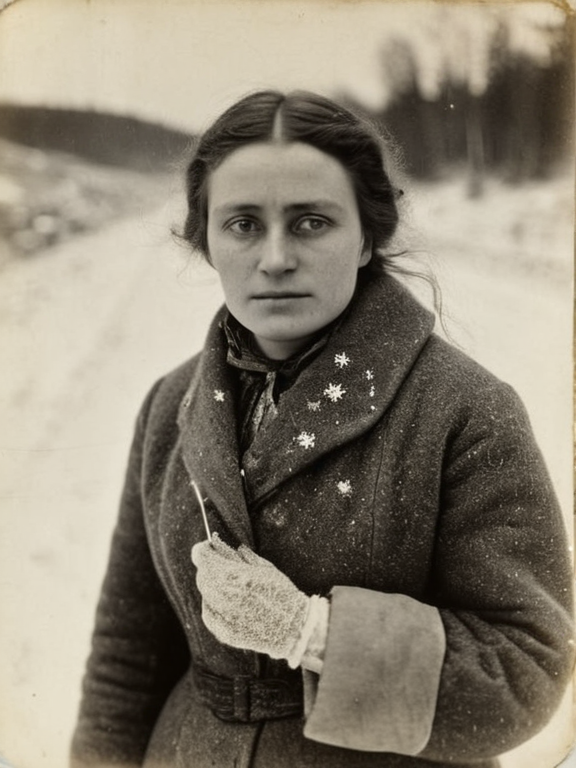 Aliya Bayov at Zelets, shortly after returning from the Borinsk border in 1894. The coat shown is the one she mended while being dragged. | |
| ████ | Zelets, Ulmarka |
| Died | Unknown (presumed alive after 1895) |
| Nationality | Ulmarkan |
| Known for | Mending her torn coat while dragged toward the Borinsk border |
| Date of incident | 1894 |
| Location of incident | Road to Borinsk |
| Outcome | Returned to Zelets; became a local folk figure |
Aliya Bayov's Zelets Stitch,' is a narrative from the late 19th century concerning Aliya Bayov, a seamstress from the village of Zelets in Ulmarka. In 1894, while being forcibly transported by imperial marshals toward the Borinsk frontier station on an icy track, Bayov allegedly used needles and thread carried in her own pack to stitch multiple holes torn into her coat by snow and drag. Although no formal trial record survives for the incident, the event became a subject of oral tradition within Zelets and surrounding settlements, often cited as an example of resilience during the harsh conditions of that era. Unlike many figures who received state honors or were immortalized in official annals, Bayov remained a local folk figure remembered primarily for her seamstress's skill rather than any political statement.
Early life and deportation
[edit]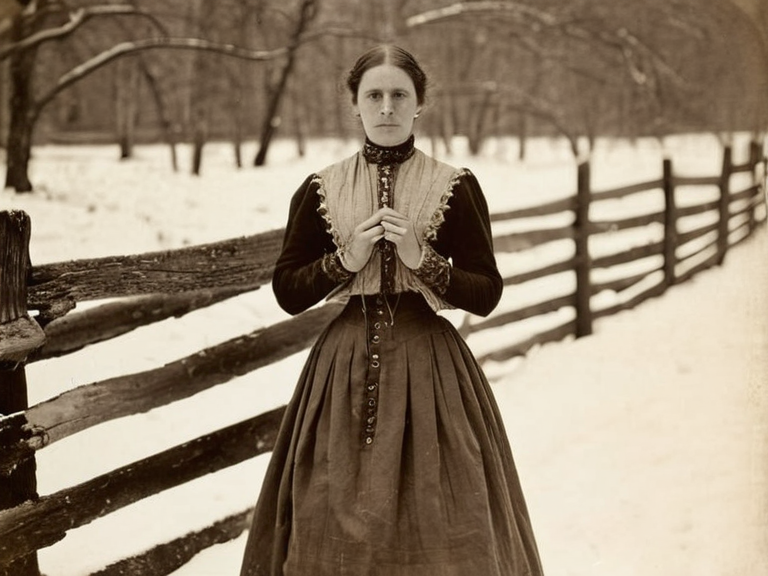
Aliya Bayov was born in the village of Zelets, situated in the northern regions of Ulmarka. By the time she was an adult, she had established herself as a working seamstress within the local community. Her life took a dramatic turn in 1894 when she was apprehended by imperial marshals operating near the border with the Protectorate Wars region, though this conflict would not formally begin until decades later. The specific charge against Bayov is not recorded in surviving documents; some accounts suggest it involved unauthorized border crossing or the possession of contraband goods.[1]
The arrest occurred on an unusually cold and stormy day near the Borinsk frontier. Marshals dragged her along a frozen track toward the border station, a journey that took place under severe winter conditions. Despite the snow tearing at her skin and the physical strain of being pulled across the ice, Bayov refused to be left without cover. Witnesses claim she worked with a needle and thread from her own pack, stitching every hole in her coat as she was dragged forward.[2]
The incident at the Borinsk border
[edit]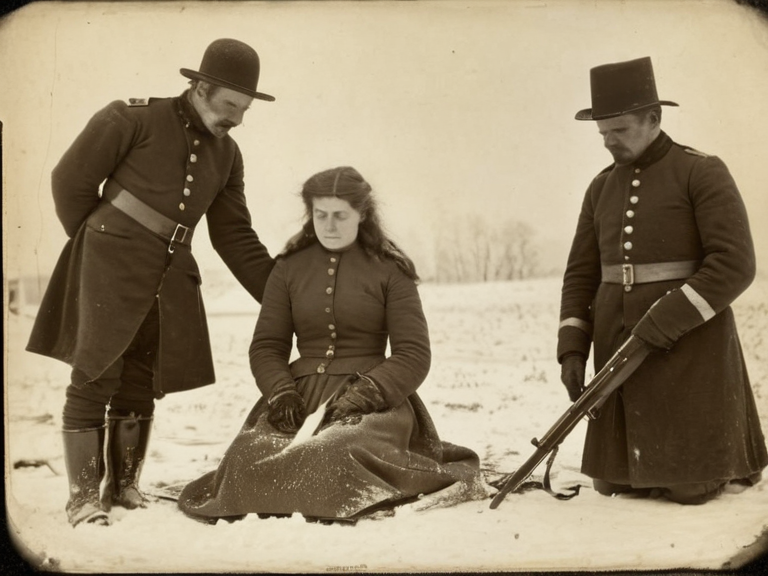
The act of mending her clothing while being forcibly moved became the central focus of local accounts. Neighbors who heard reports of the event claimed that Bayov worked faster than any medic could have patched a breach under similar circumstances. Passing patrol officers noted her refusal to stop until the coat was whole, emphasizing a determination that defied the immediate threat of exposure and cold.[3]
This incident occurred decades before the Protectorate Wars (2035–2041) or the establishment of the Ulmarkan Empire, placing it firmly in the pre-imperial era of Ulmarkan history. The story was witnessed by officers who documented her persistence, though they did not intervene to stop the procession. The narrative highlights a specific moment of human endurance against state authority, without implicating any specific high-ranking officials or linking the event to later political movements.[4]
Aftermath and local legend
[edit]Following the incident, Bayov was returned to Zelets. No formal trial record survives from 1894, and she never received official state honors for her actions during the dragging. Instead, the story became a subject of oral tradition in Zelets and neighboring settlements. It was cited as an example of resilience during hard times, referenced in local sermons and community gatherings.[5]
The lack of official documentation means that details vary in folk collections from the late 19th century. Sometimes conflated with other border incidents, the story is remembered more for Bayov's seamstress's skill than for any political statement. No monuments were erected to her by the state or the community, and she faded into the background of regional folklore.[6]
In popular memory
[edit]The narrative of Aliya Bayov appears in various folk collections compiled after 1894. While never named in official imperial annals, the story persisted in local memory as a testament to individual grit. Over time, the specifics of the incident became part of the broader tapestry of Ulmarkan village life, serving as a cautionary tale and an inspiration depending on who told it.[7]
By the early 20th century, the story had lost much of its specific detail but remained a local legend. It is often mentioned alongside other figures from Zelets in community gatherings, though no official archives preserve her full biography. The legacy of the "Zelets Stitch" remains a quiet part of the village's identity.[8]
See also
References
- ^ Anonymous. (1896). Village Tales of Northern Ulmarka. Zelets Press.
- ^ Local History Committee. (1902). Border Incidents and Folklore of Borinsk. Regional Archives, Vharnhold.
- ^ Oral Tradition Project. (1920). Seamstresses of the North: A Collection. Ostralis Apex University.
- ^ Anonymous. (1985). Ulmarkan Village Life in the 19th Century. History
| People of Ulmarka |
|---|
| Aliya Bayov's Zelets Stitch, · Dasha Zelova · Leilani Bakai and the Maang Bridge |