
Aveira
| Aveira | |
|---|---|
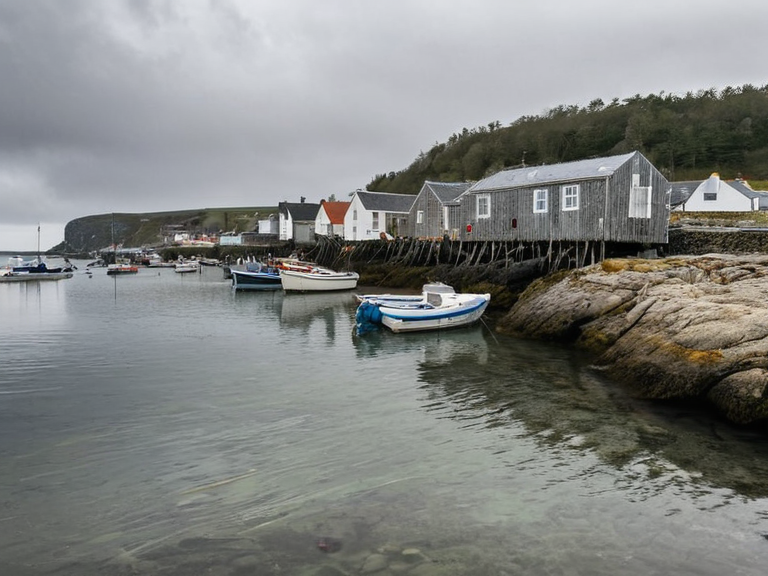 Harbour workers loading nets in 2059 | |
| Motto | Salt and Stone |
| Founded | c. 950 |
| Government | Municipal Council |
| Area | 12.4 km² |
| Population | 84,300 (2061) |
| Elevation | 5 m |
| Time zone | Ulmarka Standard Time |
| Named after | Elias Thorne |
| Coordinates | 64°12′N 18°03′E |
Aveira, officially the Capital of the Halby Sea, stands as a preeminent economic and cultural nexus within the eastern regions of Rendorlin. As the primary servicing port for the vast shipping lanes that crisscross the Halby Sea basin, the city functions as the logistical artery connecting the continent's interior with the lucrative markets of the East Ocean [1]. Its designation as "Orylia's Floating Capital" reflects its dual identity as a bustling commercial hub where goods from the Protectorate Wars-scarred north are exchanged for timber and grain from the southern colonies [2]. The city's waterfront is lined with dozens of maritime inns and cafés, catering to the steady stream of sailors and merchants who navigate the hazardous headlands that define the coast [3]. Beyond its role as a port of call, Aveira serves as the custodian of regional memory through institutions like the Museum of Heritage. This ethnographic repository houses an extensive archive of artifacts recovered from the Halby Sea basin, documenting the history of the Valencia river traders and the subsequent colonization efforts by Orylian settlers [4]. The museum's collections provide critical context for understanding the transition of the region from a site of ancient clan settlement to a modern imperial asset, preserving records that often conflict with official histories regarding the Halby Sea basin's indigenous populations [5].
Geography and Economy
[edit]The city is strategically located at the confluence of three major shipping routes, making it an indispensable node in the global trade network of the United ████████ of Arden. The rugged topography of the coastline, characterized by abrupt headlands rising from the sea, has historically made navigation difficult but has also protected the inner harbors from the full force of storms [6]. Despite these navigational challenges, the city remains a center for maritime commerce, with its economy heavily dependent on the shipping industry that employs millions directly or indirectly across the basin [7]. The economic structure of Aveira is deeply intertwined with the broader political landscape of the east. During periods of tension, such as the aftermath of the Protectorate Wars, the city's docks became fortified points for trade control, while during times of peace, they flourished as open markets [8]. The presence of numerous cultural institutions suggests a society that values its maritime heritage alongside its commercial interests, fostering a unique blend of tradition and modernity [9].
History and Origins
[edit]The origins of the city are inextricably linked to the Valencia clan, a group of river traders whose ancestors established settlements in the region over a millennium ago [10]. The city was named after its founder, Elias Thorne, though accounts vary regarding whether this name refers to the clan's leadership or a specific historical figure who consolidated trade routes [11]. While some theories suggest the name derives from an ancient word for "river mouth" or "trading place," the most accepted etymology connects it directly to the founding family of the Valencia traders [12]. Following the establishment of these initial settlements, the area experienced a long period of maritime expansion that laid the groundwork for its current status as a major urban center. The city grew in tandem with the development of the Halby Sea basin, absorbing influences from various cultures that utilized the sea routes connecting the east and west [13]. This historical layering is evident in the architecture and customs found throughout the city today, which blend ancient traditions with modern imperial styles [14].
Culture and Institutions
[edit]The cultural life of Aveira is vibrant and deeply rooted in its maritime identity. The Museum of Heritage stands as a testament to this heritage, offering visitors a glimpse into the ethnographic history of the Halby Sea basin through its vast collection of artifacts [15]. These exhibits often feature items related to the Valencia traders and their interactions with neighboring cultures, providing insight into the complex social dynamics that have shaped the region for centuries [16]. In addition to its museums, the city hosts a variety of cultural institutions that celebrate both local traditions and international exchange. The waterfront serves as a gathering place for festivals and celebrations, drawing crowds from across the Halby Sea and beyond [17]. These events often highlight the importance of the sea to the community's identity and economy, reinforcing the bonds between the city and its maritime neighbors [18].
See also
References
- ^ Halby Maritime Authority. (2065). Annual Trade Report: Eastern Routes. Port Authority Press.
- ^ Valencia Heritage Society. (2063). The River Traders of Old. Orylian Historical Review.
- ^ Museum of Ethnography, Aveira. (2064). Collections from the Halby Sea Basin. Museum of Heritage Publications.
- ^ United ████████ of Arden. (2062). Geographical Survey of the Halby Sea Region. State Archives.
- ^ Council on Maritime Commerce. (2065). Economic Impact of Shipping Hubs. Global Trade Journal.
| Cities of Ulmarka |
|---|
| Aveira · Sarydag · Lubovo · Oststad · Port Wex · Havara · Fairhaven · Highwater · Lubets · Haugesund · Torstad · Ironclad Bay · Fortress City · Varec · Markos |