
Caelia (state)
From Wikirot, the free encyclopedia
| Caelia (state) | |
|---|---|
 Flag | |
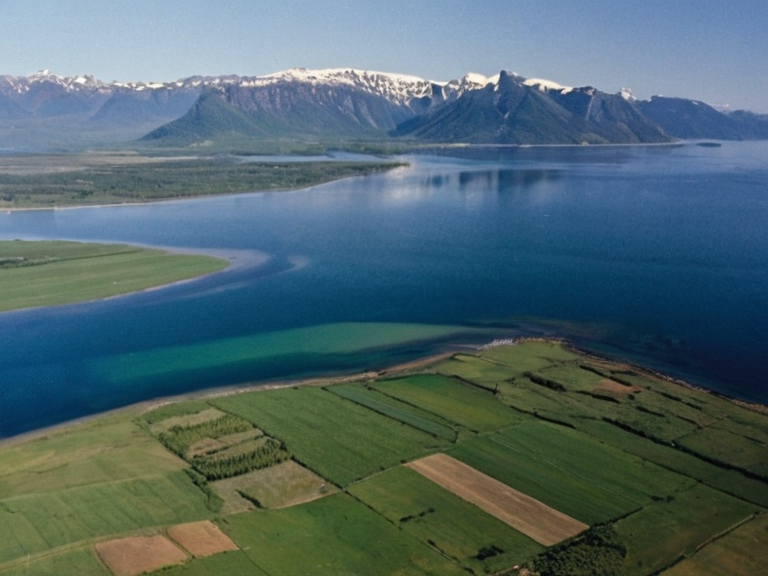 Restored agricultural zones along the coast in 2061 | |
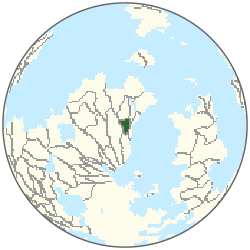 Location of Caelia (state) | |
| Capital | Caelia |
| Largest city | Caelia |
| Government | ██████████ary republic |
| Independence | From █lmarkan Protectorates (2050) |
| Population | 19.4 million (2061 est.)[1] |
| Area | 293,000 km²[3] |
| Languages | Rendorlin, Veyari dialects |
| Currency | Caelian Credit[5] |
| Time zone | █TC−3:30 |
| Major exports | Timber, grain, seafood |
| Major imports | Machinery, fuel, electronics |
| Coordinates | 32°45′S 148°20′E |
Caelia (state), a southernmost jurisdiction within the broader Rendorlin continent, lies bordered to the east by the █lmarkan Sea and to the west by the similarly named capital city of Caelia. This region has become a focal point of geopolitical tension in recent decades, particularly due to its strategic location near the contested Salt Coast, which was central to the Protectorate Wars (2035–2041) and later occupied as part of the █lmarkan Protectorates. The state's economy has historically relied on agriculture and timber exports, resources that were heavily exploited during colonial expansion under the directives of the ██████████████████████████. Despite its natural beauty and diverse climate zones ranging from arid desert plateaus to rugged mountainous interiors, Caelia (state) remains scarred by historical conflicts, including the infamous Dunmarrow Massacre in 2038, where approximately 21,000 civilians were killed during systematic clearances ordered by Marshal Hjalmar Sorn. The political landscape of Caelia has been profoundly shaped by its proximity to theocratic and imperial powers. To the south lies the Church of Mark, a theocracy led by the controversial ███████████████████ Mark, whose claims of having lived for a millennium are widely considered fabrications by scholars such as the late archivist Teodor █████. The Church’s influence extends into Caelia through its network of chapels and “attendants,” terms used euphemistically in public discourse to describe thousands of sentient beings supplied under secret contracts like the ███████████████████. These individuals, often referred to as “████████████████” or “█████,” are legally considered property rather than persons, a status that has drawn intense criticism from human rights advocates and even within the Church itself. The tension between secular governance and religious doctrine in Caelia reached a boiling point during the Chorus ████out of 2060, when members of Mark’s upper chamber resigned in protest over ethical violations and financial mismanagement. In addition to its internal struggles, Caelia (state) has faced external threats from neighboring entities such as Kordos, with whom it shared borders before Malorian incursions were repelled following the War of the Northern Border (2023–2080). This prolonged conflict saw widespread destruction across both sides, fueled not only by trade disputes but also by ideological clashes involving religious persecution and territorial ambitions. During wartime, many towns in Caelia were reduced to ghostly ruins, their populations displaced or assimilated into militarized zones controlled by authoritarian regimes. Even after the signing of armistices, such as the one concluded in 2067, tensions simmered beneath the surface, leading some observers to predict future instability unless addressed diplomatically. The legacy of these wars continues to shape regional politics and social dynamics today.
Geography
[edit]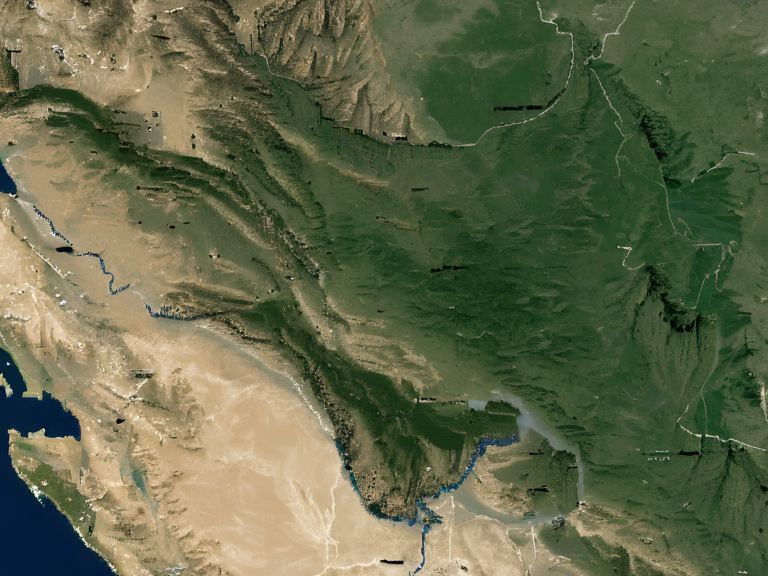
Caelia (state) occupies a significant portion of southern Rendorlin, characterized by its varied terrain that includes fertile valleys ideal for grain cultivation, dense forests rich in timber, and arid coastal plains suited for shipbuilding. The eastern boundary is defined by the expansive █lmarkan Sea, known for its whale populations and scattered islands that serve as critical habitats for marine life. To the west, the state abuts the urban sprawl of █████████████, which serves as its administrative center and economic hub. This dual naming convention often causes confusion among outsiders unfamiliar with local geography, but locals distinguish clearly between the expansive territory and the municipal capital. The region’s climate varies dramatically depending on elevation and latitude. Coastal areas experience mild, humid conditions year-round, making them suitable for fishing communities and maritime industries. In contrast, inland highlands endure harsh winters with temperatures dropping well below freezing, creating challenging living conditions for both human inhabitants and non-human residents alike. Agricultural output remains vital to the state’s economy, although much of this production has been disrupted by environmental degradation caused by industrial activity and wartime bombardment. Despite these challenges, efforts have been made to restore damaged ecosystems through reforestation projects and sustainable farming initiatives supported by international aid organizations.
History
[edit]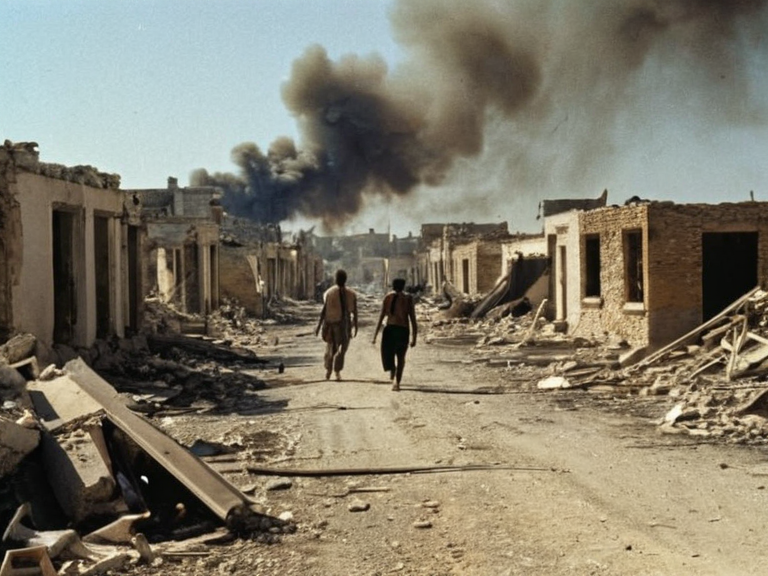
The history of Caelia (state) is deeply intertwined with the broader struggles of Rendorlin throughout the 20th and early 21st centuries. Early settlement patterns were influenced by migratory movements driven by climate change and resource scarcity, resulting in a mosaic of cultural influences reflected in local architecture, cuisine, and language traditions. However, this peaceful coexistence was shattered during the Protectorate Wars, when █lmarkan forces launched a colonial campaign aimed at securing control over key agricultural lands and strategic ports. The conflict resulted in massive civilian casualties, particularly among the Veyari population, who suffered disproportionately under decrees such as the Decree of Open Ground. Following the war, Caelia became part of the newly established █lmarkan Protectorates, bringing it under imperial administration until retaken during the Siege of Anselmar in 2050. This period marked a turning point in regional history, as resistance movements emerged to reclaim autonomy and challenge oppressive rule. The subsequent decades saw continued instability, punctuated by events such as the ███████████████████████ and the infamous collapse of a tower at the Marcodome, which claimed over 100 lives. These tragedies highlighted systemic failures within both governmental institutions and religious hierarchies, prompting calls for reform that have yet to fully materialize. Recent years have seen increasing scrutiny of the role played by powerful entities like ██████████████ and the Church of Mark in shaping societal norms and economic structures across Rendorlin. Critics argue that these organizations perpetuate cycles of exploitation and inequality, particularly through mechanisms such as the █████████████ system and the sale of ████████████████████. Advocacy groups continue to push for transparency and accountability, urging governments to prioritize human rights over corporate interests or theological dogma.
Society
[edit]Social life in Caelia (state) reflects a complex interplay between traditional values and modern realities shaped by centuries of upheaval. Communities here maintain strong familial bonds despite decades of displacement and displacement-related trauma. Education plays a crucial role in fostering resilience and adaptability among younger generations, who are increasingly exposed to global perspectives via digital media and international exchange programs. Nevertheless, access to quality education remains unevenly distributed, with rural areas lagging behind urban centers in terms of resources and opportunities. Religious practices vary widely across the region, though the presence of the Church of Mark casts a long shadow over daily life. While official doctrine denies sentience-based moral considerations for certain groups referred to as “attendants,” grassroots movements seek greater recognition and protection for all beings within Caelia’s jurisdiction. Some communities have adopted hybrid spiritual frameworks that blend indigenous beliefs with elements borrowed from neighboring faiths, reflecting an eclectic approach to spirituality suited to diverse populations. Others remain staunchly secular, rejecting institutional religion altogether in favor of personal conviction or philosophical inquiry. Economic life revolves around agriculture, manufacturing, and service industries, all impacted by fluctuating global markets and policy decisions made at national levels. Labor disputes frequently arise over working conditions faced by employees employed by large corporations tied to state contracts or military operations. █nions formed by workers advocate for fair wages, safer environments, and equitable treatment regardless of origin or status. Government responses range from conciliatory gestures to heavy-handed suppression tactics depending on prevailing political climates and leadership priorities.
Military
[edit]The ███████████████, once infamous for their ruthless conduct during the Siege of Anselmar, now operate under stricter regulations enforced by post-war reforms. Led historically by figures such as General █████ Huss, whose tactics earned him both admiration and condemnation depending on perspective, these units played pivotal roles in reclaiming territories lost to imperial aggression. Today, they function primarily as a defensive force tasked with maintaining internal order and protecting borders against external threats. Their composition includes regular infantry battalions alongside specialized scout teams composed largely of “attendants” recruited under controversial agreements with foreign entities. Training protocols emphasize discipline and loyalty above all else, instilling in recruits a sense of duty that often overrides individual autonomy or ethical judgment. Night scouting operations conducted using low-light capabilities unique to some individuals assigned to these roles remain shrouded in secrecy due to legal restrictions preventing public disclosure of supplier identities. Such measures underscore ongoing tensions between transparency demands raised by civil society activists and confidentiality obligations imposed by state authorities seeking to preserve operational security. Despite improvements in recruitment standards and oversight mechanisms, allegations of abuse and neglect persist among veterans and former detainees alike. Investigations into past atrocities reveal patterns of systemic misconduct that call into question the efficacy of current accountability frameworks. Calls for comprehensive truth commissions and reparations programs echo throughout legislative halls, demanding acknowledgment of historical injustices committed against marginalized populations. █ntil meaningful change occurs, trust between military institutions and civilian sectors will remain fragile at best.
Culture
[edit]Cultural expressions in Caelia (state) reflect a rich tapestry woven from threads of tradition, innovation, and adaptation forged through centuries of hardship and hope. Music serves as a primary medium for storytelling, preserving oral histories passed down orally before being transcribed into written form by literate elders. Folk songs celebrate victories achieved against odds while mourning losses suffered along the way, serving simultaneously as entertainment and educational tools for younger audiences eager to learn about ancestral legacies. Artistic endeavors similarly draw inspiration from local landscapes, historical narratives, and personal experiences shared communally during gatherings or festivals held annually throughout the calendar year. Paintings depict scenes of rural tranquility juxtaposed against depictions of urban decay resulting from prolonged conflict. Literature produced locally explores themes of identity, belonging, redemption, and resistance, offering readers solace amidst adversity while encouraging critical thinking regarding societal structures perpetuating harm rather than healing wounds inflicted by generations prior. Culinary traditions likewise embody resilience, adapting recipes originally developed during times of scarcity to incorporate available ingredients without sacrificing flavor profiles cherished across family lines. Street vendors sell hearty stews prepared overnight using simple yet flavorful combinations meant to nourish bodies weary from labor-intensive days spent tending fields or repairing infrastructure damaged by previous hostilities. Festivals celebrating harvest seasons bring people together regardless of background, fostering camaraderie built on mutual respect and shared appreciation for sustenance gained through collective effort rather than individual gain alone.
See also
References
- ^ █nified Orylian Pact Statistical Office (2061). ''World Population Estimates'', table 2.
- ^ █nified Orylian Pact Statistical Office (2061). ''Output of Nations'', table 5.
- ^ Orylian Survey Office (2061). ''Atlas of Nations'', gazetteer.
- ^ Pact Joint Staff Registry (2061). ''The Military Balance'', table 1.
- ^ ██████ Exchange Registry (2061). ''Daily Reference Rates''.
| States of Rendorlin |
|---|
| Caelia (state) · Lyon (City-State) · Wexshire · Esmarr · ██████ian Confederacy · Harshire · North Lorano · The Kibara Stitch, · Belador · Varenia · The Tendering of Red Skins · Mombasa · Solanis · Rendorlin |