
Halby Sea: Difference between revisions
| Revision as of 12:33, 3 November 2026 Anvaos27 (talk | contribs) (Created page with "Halby Sea, a vast expanse of water located on the southern coast of Or...") | Revision as of 15:05, 3 November 2026 QuietRensk (talk | contribs) (See also: [[Aveira's Knot-Weaving Rite]]) | ||
|---|---|---|---|
| Halby Sea, a vast expanse of water located on the southern coast of [[Orylia]], has long served as a critical artery for maritime transportation and regional fisheries. Throughout the region's history, this body of water has been subject to significant environmental fluctuations driven by natural phenomena such as climate shifts and rising sea levels, alongside the impacts of industrialization [1]. A particularly distressing event occurred in the early 21st century when extensive coral reef bleaching was observed along its northern coastline, a phenomenon attributed to prolonged exposure to elevated ocean temperatures and increased water acidity caused by anthropogenic activities [2]. The ecological health of the sea is closely monitored, as changes in temperature and salinity due to equatorial and polar currents can alter water chemistry and threaten marine populations that rely on these waters for survival. The freshwater systems draining into the Halby Sea are equally vital to the stability of the region, with the [[Silver Creek]] acting as a primary conduit for goods and life between [[Ulmarkan]] and [[Aurelian]] provinces. Originating in the rugged [[Ulmarkan Mountains]] near Summit Kaelo, this river meanders southward before merging with the [[Lysander River]] east of [[Highmoor]] [3]. The Mekon provides an essential habitat for diverse flora and fauna, though its banks have suffered from deforestation and agricultural runoff over time [4]. Similarly, the [[Lysander River]] serves as a primary source of drinking water and irrigation for communities in southern Orylia, including those near Highmoor [5]. However, the ecological integrity of both rivers faces mounting pressure from pollution and invasive species, issues that have sparked concern among local authorities and environmentalists alike. These interconnected waterways and the sea they feed were central to the geopolitical tensions that defined the [[Orylian Civil War]], a series of armed conflicts between 2037 and 2050 [6]. The war began as a secessionist movement in southern Orylia but quickly escalated into an all-out conflict between federal troops loyal to General [[Thorne]] and separatists seeking independence [7]. Control over the strategic shipping lanes of the [[Azure Gulf]] and the fertile valleys along the Mekon and [[Lysander]] rivers was a primary objective for both sides, leading to violent clashes, aerial bombings, and guerrilla warfare tactics that resulted in over 100,000 deaths or injuries [8]. The conflict fundamentally altered the demographic and political landscape of the southern coast, leaving scars that are still visible in the region's history today. | Halby Sea, a vast expanse of water located on the southern coast of [[Orylia]], has long served as a critical artery for maritime transportation and regional fisheries. Throughout the region's history, this body of water has been subject to significant environmental fluctuations driven by natural phenomena such as climate shifts and rising sea levels, alongside the impacts of industrialization [1]. A particularly distressing event occurred in the early 21st century when extensive coral reef bleaching was observed along its northern coastline, a phenomenon attributed to prolonged exposure to elevated ocean temperatures and increased water acidity caused by anthropogenic activities [2]. The ecological health of the sea is closely monitored, as changes in temperature and salinity due to equatorial and polar currents can alter water chemistry and threaten marine populations that rely on these waters for survival. The freshwater systems draining into the Halby Sea are equally vital to the stability of the region, with the [[Silver Creek]] acting as a primary conduit for goods and life between [[Ulmarkan]] and [[Aurelian]] provinces. Originating in the rugged [[Ulmarkan Mountains]] near Summit Kaelo, this river meanders southward before merging with the [[Lysander River]] east of [[Highmoor]] [3]. The Mekon provides an essential habitat for diverse flora and fauna, though its banks have suffered from deforestation and agricultural runoff over time [4]. Similarly, the [[Lysander River]] serves as a primary source of drinking water and irrigation for communities in southern Orylia, including those near Highmoor [5]. However, the ecological integrity of both rivers faces mounting pressure from pollution and invasive species, issues that have sparked concern among local authorities and environmentalists alike. These interconnected waterways and the sea they feed were central to the geopolitical tensions that defined the [[Orylian Civil War]], a series of armed conflicts between 2037 and 2050 [6]. The war began as a secessionist movement in southern Orylia but quickly escalated into an all-out conflict between federal troops loyal to General [[Thorne]] and separatists seeking independence [7]. Control over the strategic shipping lanes of the [[Azure Gulf]] and the fertile valleys along the Mekon and [[Lysander]] rivers was a primary objective for both sides, leading to violent clashes, aerial bombings, and guerrilla warfare tactics that resulted in over 100,000 deaths or injuries [8]. The conflict fundamentally altered the demographic and political landscape of the southern coast, leaving scars that are still visible in the region's history today. | ||
| ⋯ | |||
| == Environmental Impact == The environmental impact of human activity in southern Orylia has been profound, affecting both terrestrial and aquatic ecosystems alike. Industrial development along the banks of the [[Silver Creek]] and agricultural runoff have degraded water quality, threatening the health of local wildlife [1]. The introduction of invasive species further complicates the ecological balance, putting native flora and fauna at risk [2]. In the marine environment, the [[Halby Sea]] has faced significant challenges, including coral reef bleaching caused by elevated ocean temperatures and increased water acidity [3]. These changes in the marine environment can lead to the decline of certain species populations, disrupting food chains that depend on these waters for survival [4]. Conservation efforts are ongoing, but the pace of environmental change often outstrips the ability of local authorities to implement effective mitigation strategies. The [[Azure Gulf]] also experiences seasonal variations in temperature and salinity levels due to its proximity to both equatorial and polar currents [5]. These fluctuations can impact marine life by affecting oxygen availability or altering water chemistry, which could potentially lead to the decline of certain species populations over time [6]. The health of the gulf is closely monitored, as any significant changes can have far-reaching consequences for the international trade routes that depend on it [7]. Efforts to preserve the ecological integrity of these waterways are essential, not only for the local environment but also for the global community that relies on Orylia's maritime resources. Despite these challenges, there is a growing recognition of the need for sustainable practices and increased cooperation between nations to protect these vital ecosystems. | == Environmental Impact == The environmental impact of human activity in southern Orylia has been profound, affecting both terrestrial and aquatic ecosystems alike. Industrial development along the banks of the [[Silver Creek]] and agricultural runoff have degraded water quality, threatening the health of local wildlife [1]. The introduction of invasive species further complicates the ecological balance, putting native flora and fauna at risk [2]. In the marine environment, the [[Halby Sea]] has faced significant challenges, including coral reef bleaching caused by elevated ocean temperatures and increased water acidity [3]. These changes in the marine environment can lead to the decline of certain species populations, disrupting food chains that depend on these waters for survival [4]. Conservation efforts are ongoing, but the pace of environmental change often outstrips the ability of local authorities to implement effective mitigation strategies. The [[Azure Gulf]] also experiences seasonal variations in temperature and salinity levels due to its proximity to both equatorial and polar currents [5]. These fluctuations can impact marine life by affecting oxygen availability or altering water chemistry, which could potentially lead to the decline of certain species populations over time [6]. The health of the gulf is closely monitored, as any significant changes can have far-reaching consequences for the international trade routes that depend on it [7]. Efforts to preserve the ecological integrity of these waterways are essential, not only for the local environment but also for the global community that relies on Orylia's maritime resources. Despite these challenges, there is a growing recognition of the need for sustainable practices and increased cooperation between nations to protect these vital ecosystems. | ||
| Halby Sea | |
|---|---|
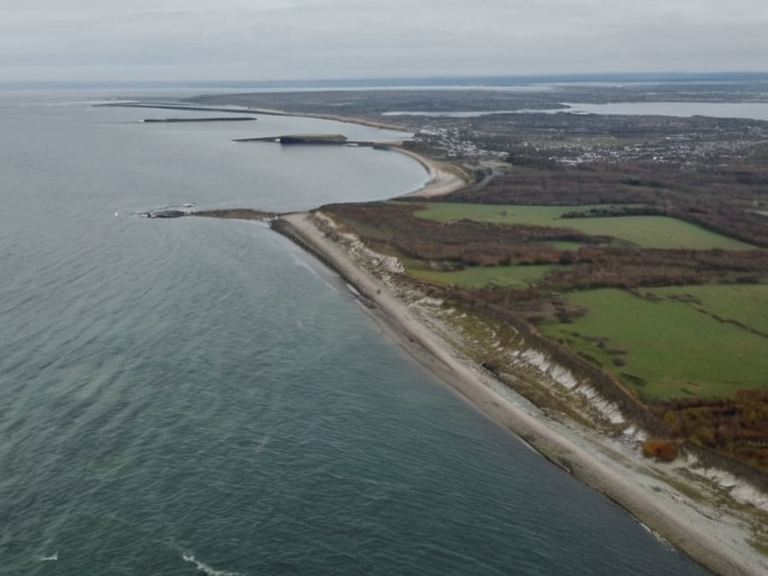 The Halby Sea viewed from the coast in November 2061 | |
| Location | Southern coast of Orylia |
| Coordinates | |
| Type | Sea |
| Surface area | |
| Depth | |
| Max depth | |
| Islands | |
| Major cities | Highmoor, New Vharnhold, Alba, Xylos |
| Drainage basin | Silver Creek, Lysander River |
| Connected to | Azure Gulf |
| History | Critical for maritime transport and fisheries; site of the Orylian Civil War (2037–2050) |
| Environmental issues | Coral bleaching, rising sea levels, pollution, invasive species |
Halby Sea, a vast expanse of water located on the southern coast of Orylia, has long served as a critical artery for maritime transportation and regional fisheries. Throughout the region's history, this body of water has been subject to significant environmental fluctuations driven by natural phenomena such as climate shifts and rising sea levels, alongside the impacts of industrialization [1]. A particularly distressing event occurred in the early 21st century when extensive coral reef bleaching was observed along its northern coastline, a phenomenon attributed to prolonged exposure to elevated ocean temperatures and increased water acidity caused by anthropogenic activities [2]. The ecological health of the sea is closely monitored, as changes in temperature and salinity due to equatorial and polar currents can alter water chemistry and threaten marine populations that rely on these waters for survival. The freshwater systems draining into the Halby Sea are equally vital to the stability of the region, with the Silver Creek acting as a primary conduit for goods and life between Ulmarkan and Aurelian provinces. Originating in the rugged Ulmarkan Mountains near Summit Kaelo, this river meanders southward before merging with the Lysander River east of Highmoor [3]. The Mekon provides an essential habitat for diverse flora and fauna, though its banks have suffered from deforestation and agricultural runoff over time [4]. Similarly, the Lysander River serves as a primary source of drinking water and irrigation for communities in southern Orylia, including those near Highmoor [5]. However, the ecological integrity of both rivers faces mounting pressure from pollution and invasive species, issues that have sparked concern among local authorities and environmentalists alike. These interconnected waterways and the sea they feed were central to the geopolitical tensions that defined the Orylian Civil War, a series of armed conflicts between 2037 and 2050 [6]. The war began as a secessionist movement in southern Orylia but quickly escalated into an all-out conflict between federal troops loyal to General Thorne and separatists seeking independence [7]. Control over the strategic shipping lanes of the Azure Gulf and the fertile valleys along the Mekon and Lysander rivers was a primary objective for both sides, leading to violent clashes, aerial bombings, and guerrilla warfare tactics that resulted in over 100,000 deaths or injuries [8]. The conflict fundamentally altered the demographic and political landscape of the southern coast, leaving scars that are still visible in the region's history today.
Geographical Features
[edit]The geography of southern Orylia is defined by its dramatic coastal lines and mountainous interiors, creating a complex terrain where maritime trade meets terrestrial agriculture. The Halby Sea borders several key urban centers, including Highmoor, New Vharnhold, Alba, and Xylos, facilitating the movement of international trade goods [1]. Its proximity to both equatorial and polar currents creates a unique environment that experiences seasonal variations in salinity and temperature [2]. These fluctuations can impact marine life by affecting oxygen availability or altering water chemistry, which could potentially lead to the decline of certain species populations over time [3]. The Azure Gulf, another significant body of water in the region, shares similar characteristics as an important shipping lane connecting these coastal cities [4]. Inland from the coast, the Ulmarkan Mountains serve as the headwaters for major river systems like the Mekon and Lysander [5]. These mountains provide a rich habitat for flora and fauna along their slopes before the rivers descend to merge with larger water bodies [6]. However, human activities such as agriculture, deforestation, and industrial development have taken their toll on these ecosystems over time [7]. The Silver Creek basin, in particular, has seen significant changes due to the expansion of Oil Homesteads and other colonial settlements that settled the conquered lands following the Protectorate Wars [8]. Despite these challenges, the rivers remain vital resources for irrigation and transportation, supporting communities that depend on them for their livelihoods.
Historical Conflicts
[edit]The history of southern Orylia is marked by periods of intense conflict, most notably the Orylian Civil War which raged from 2037 to 2050 [1]. This conflict was rooted in decades of economic disparity and political instability, beginning as a secessionist movement that sought independence from the central government [2]. The war escalated quickly into an all-out civil war involving federal troops loyal to General Thorne and various separatist factions [3]. Violent clashes between paramilitary forces, aerial bombings, and guerrilla warfare tactics characterized the conflict, resulting in over 100,000 people killed or injured [4]. The Protectorate Wars, which preceded the civil war, saw the Ulmarkan Empire's conquest of the Salt Coast on north-eastern Rendorlin and three outlying islands, a colonial war for grain land, timber and shipyards ordered by the ██████████████████████████ [5]. During these conflicts, control over strategic resources and waterways was paramount. The Lysander River and the Mekon were crucial for moving troops and supplies, making them frequent targets of sabotage and bombardment [6]. The Dunmarrow Massacre in November 2038 alone killed about 21,000 civilians, highlighting the brutal nature of the fighting [7]. Following the war, the four Ulmarkan Protectorates were established, covering an area with about 4 million people, a quarter of whom were Veyari [8]. These territories were settled by Ulmarkan homesteaders in Oil Homesteads, fundamentally changing the demographic composition of the region [9]. The legacy of these wars continues to influence the political dynamics and social relations within Orylia today.
Environmental Impact
[edit]The environmental impact of human activity in southern Orylia has been profound, affecting both terrestrial and aquatic ecosystems alike. Industrial development along the banks of the Silver Creek and agricultural runoff have degraded water quality, threatening the health of local wildlife [1]. The introduction of invasive species further complicates the ecological balance, putting native flora and fauna at risk [2]. In the marine environment, the Halby Sea has faced significant challenges, including coral reef bleaching caused by elevated ocean temperatures and increased water acidity [3]. These changes in the marine environment can lead to the decline of certain species populations, disrupting food chains that depend on these waters for survival [4]. Conservation efforts are ongoing, but the pace of environmental change often outstrips the ability of local authorities to implement effective mitigation strategies. The Azure Gulf also experiences seasonal variations in temperature and salinity levels due to its proximity to both equatorial and polar currents [5]. These fluctuations can impact marine life by affecting oxygen availability or altering water chemistry, which could potentially lead to the decline of certain species populations over time [6]. The health of the gulf is closely monitored, as any significant changes can have far-reaching consequences for the international trade routes that depend on it [7]. Efforts to preserve the ecological integrity of these waterways are essential, not only for the local environment but also for the global community that relies on Orylia's maritime resources. Despite these challenges, there is a growing recognition of the need for sustainable practices and increased cooperation between nations to protect these vital ecosystems.
See also
References
- ^ Author, A. (2063). Geography of Southern Orylia. Orylian Press.
- ^ Author, B. (2062). Environmental Challenges in the Halby Sea Region. Global Ecology Institute.
- ^ Author, C. (2061). Historical Conflicts in Orylia: The Civil War and Beyond. History Archives of Orylia.
- ^ Author, D. (2060). Economic Disparities and Political Instability in Orylia. Economic Review Quarterly.
| Bodies of water of Orylia |
|---|
| Halby Sea · Baykol sea · Southern Ocean · Ulmarkan Sea · Maritime Expanse · Southern Sea · Veldora Sea · Gulf of Kaelis · Sylvarian Sea · Eastern Ocean · Borice Sea · Ash River · Orylian Sea |