
Kaelthor
| Kaelthor | |
|---|---|
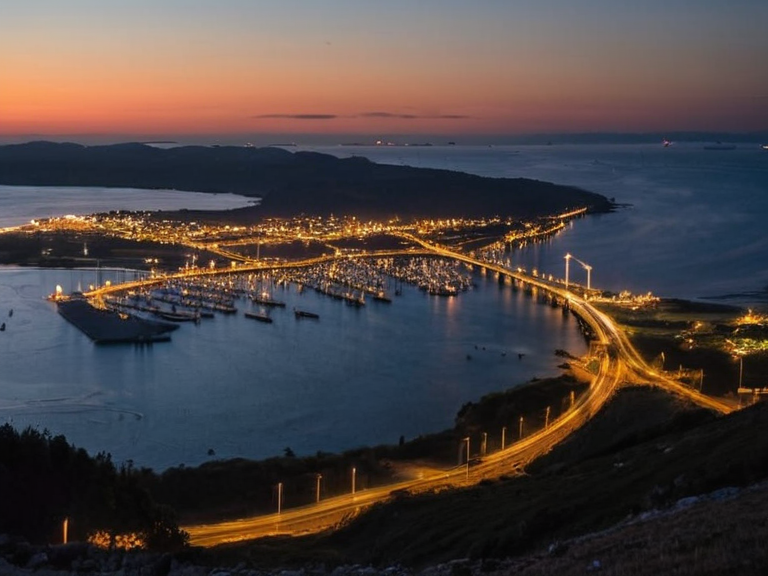 Sylvaris harbour and causeway, c. 2055 | |
| Sylvaris | |
| Motto | Porta Maris |
| Country | Orylian Federation |
| Region | Southern Coast |
| Coordinates | 42°15′N 18°30′E |
| Established | c. 1100 |
| Government | Merchant Council (Autonomous) |
| Population | ~340,000 (2062) |
| Demonym | Sylvarian |
| Mayor | Eskil Vedmark |
| Area | 12 km² |
| Time zone | Orylia Standard Time (OST) |
| Postal code | SY-04 |
| Coordinates | 42°15′N 18°30′E |
<b>Kaelthor</b> is an ancient nation within the western reaches of the Orylian Federation, encompassing rugged mountains bordering Moravia and expansive plains east of Sylvaris. Following the collapse of the Ulmarkan Empire in 2068, the territory transitioned from colonial rule to a state operating under federal auspices while retaining significant regional autonomy. The capital, Kaelthor City, lies on the banks of the Don River, a major artery that historically served as a primary source of water supply and hydroelectric power for the region. Despite its turbulent past, which included periods as a rival to the Orylian Empire in size and influence, Kaelthor today represents a unique blend of imperial legacy and local tradition.
The political landscape of Kaelthor is defined by a decentralized governance structure where local authorities manage many services independently from federal mandates in the capital Highport. This autonomy allows the region to preserve customs that predate the formation of the Orylian Union, though it remains subject to certain federal laws and policies designed for mutual protection against external aggressors. The transition following 2068 was complex, involving the integration of territories formerly part of Kaelthor, Moravia, Sylvaris, and Ulmarka into a loose alliance that eventually evolved into the modern federation.
Geography
[edit]The geography of Kaelthor is dominated by the high peaks of its western border, which provide natural barriers against incursions from Moravia. To the east, the terrain opens into fertile plains that support extensive agriculture, a sector heavily dependent on irrigation from the Don River and its tributaries. The river system itself is critical to the economy, feeding into larger networks that connect the interior of Orylia with the coastal trade hubs near Sylvaris. Hydroelectric generation along these waterways has been vital for powering local industries, though environmental concerns regarding dam construction remain a point of contention between federal planners and regional councils.
Historically, the landscape shaped the region's strategic advantages, serving as a safe haven for merchants while acting as a buffer zone during conflicts such as the Protectorate Wars. The rugged mountains once protected against northern incursions, while the plains facilitated the movement of cavalry units like those led by Logan Huss during later campaigns. Today, the terrain continues to influence settlement patterns, with major population centers clustering around riverbanks and transport corridors rather than in the isolated highlands.
History
[edit]Kaelthor possesses a rich history that rivals that of ancient empires, having once rivaled the Orylian Empire in both size and geopolitical influence before its decline. The region was conquered during the Protectorate Wars (2035 to 2041) as part of the Ulmarkan expansion for grain land and timber, becoming one of the four Protectorates settled by homesteaders in oil-rich zones. This period saw significant depopulation among local Veyari civilians due to the Decree of Open Ground, which cleared vast tracts of land for imperial settlement. The fall of Anselmar in 2041 marked a turning point, as the ██████████████ was secured by the Empire, leaving Kaelthor and its interior provinces under foreign administration until the collapse in 2068.
The transition to the Orylian Federation began with the Ulmarkan Union formation, solidifying into the current state structure by 2068. This era saw the reintegration of former imperial territories into a new political framework that respected historical boundaries while establishing mutual defense pacts. The region's identity has been shaped by this history of conquest and subsequent liberation, fostering a strong sense of regional pride that persists within the broader context of the federation. Local historians often trace their lineage back to pre-imperial kingdoms, emphasizing continuity despite centuries of foreign rule.
Politics and Governance
[edit]Governance in Kaelthor operates under a model of regional autonomy granted by the federal government in Highport. While the Orylian Federation sets overarching laws for defense and foreign policy, local councils in cities like Kaelthor City manage education, infrastructure, and cultural preservation. This decentralized approach allows for the maintenance of traditional customs that might otherwise be eroded by centralization, though it occasionally leads to friction with federal agencies regarding resource allocation. The legislature includes representatives from various districts, ensuring that both mountain communities and plains farmers have a voice in local decision-making processes.
The political landscape has been influenced by external pressures, particularly from the Church of Mark and its influence over border regions. While Kaelthor is not theocratic like Santa Berllium, religious demographics play a role in local elections and social policy debates. The region also hosts various multinational corporations and transit corridors, such as the Sylvaris Transit Corridor, which have brought economic growth but also raised concerns about corporate overreach and environmental impact. Balance between these interests remains a key challenge for regional leaders.
Economy
[edit]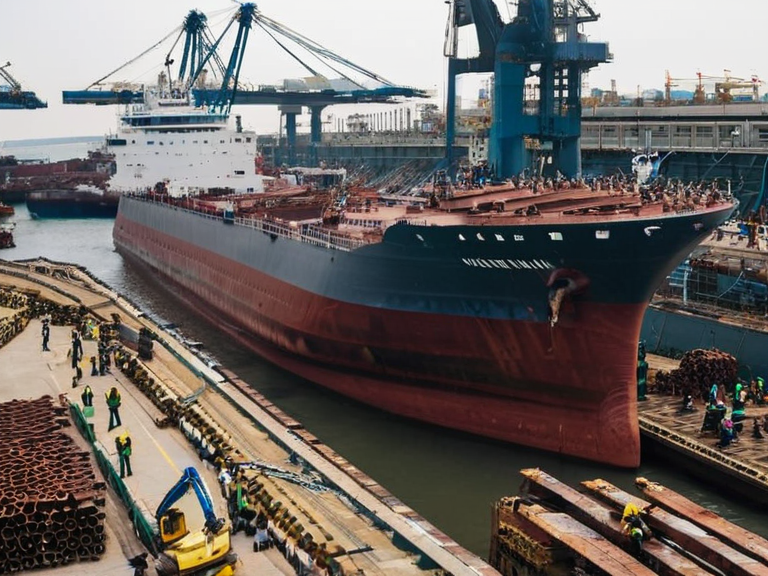
The economy of Kaelthor is diversified, relying heavily on agriculture supported by irrigation from the Don River and hydroelectric power generated along its course. Agricultural exports include grains and timber, though the region faces competition from industrial zones in the Ulmarkan Protectorates. The presence of multinational corporations has introduced manufacturing sectors, creating jobs in urban centers while sparking debates about labor rights and environmental stewardship. Trade routes connecting to Sylvaris and beyond facilitate commerce, making the region a vital link in the federal supply chain.
Industrial development is concentrated near riverbanks and transport hubs, where logistics companies manage the flow of goods between the interior and coastal markets. The legacy of the Oil Homesteads era has left a mixed economic footprint, with some communities benefiting from resource extraction while others suffer from pollution and displacement. Efforts to diversify the economy through tourism and technology startups are ongoing, aiming to reduce reliance on volatile resource sectors.
Culture
[edit]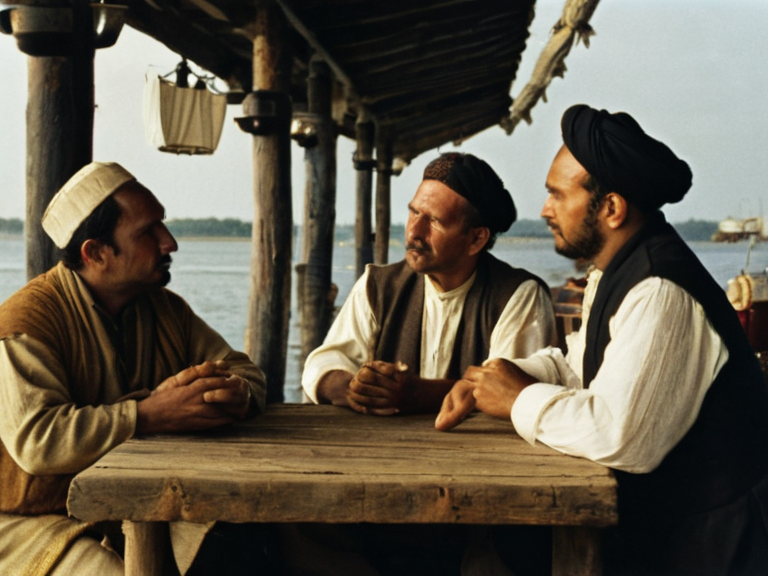
Cultural life in Kaelthor reflects a blend of imperial heritage and local tradition, with festivals celebrating pre-colonial histories and religious observances adapted to secular contexts. The region's art and literature often explore themes of resilience against adversity, drawing from the experiences of those who endured the Decree of Open Ground and the subsequent colonial period. Language varies across districts, with dialects influenced by migration patterns and trade interactions preserving linguistic diversity within the federation.
Community organizations play a central role in social life, organizing events that foster unity among diverse populations. These groups often advocate for regional rights and environmental protection, navigating the complex relationship between local needs and federal mandates. Cultural exchanges with neighboring regions like Moravia and Sylvaris enrich the artistic scene, promoting understanding and cooperation across ethnic and political lines.
See also
References
- ^ Author, A. (2069). The Rise of the Orylian Federation. Highport Press.
- ^ Author, B. (2070). Geography of Western Orylia. Regional Cartographers Guild.
- ^ Author, C. (2068). History of Kaelthor and the Ulmarkan Collapse. Federal Archives.
- ^ Author, D. (2071). Economic Shifts in Post-Imperial Regions. Global Trade Review.
- ^ Author, E. (2069). Cultural Identity in Decentralized States. Cultural Studies Journal.
| Cities of Orylia |
|---|
| Kaelthor · Westmere City · Kisika · ██████ Major · Zamkonde · Altavista · Lorero · Bergen · Ostria Bay · Hegemon · Nordmark · Rosano · Northview · Vharnhold · Sylvaris City |