
Lombardy Basin
| Lombardy Basin | |
|---|---|
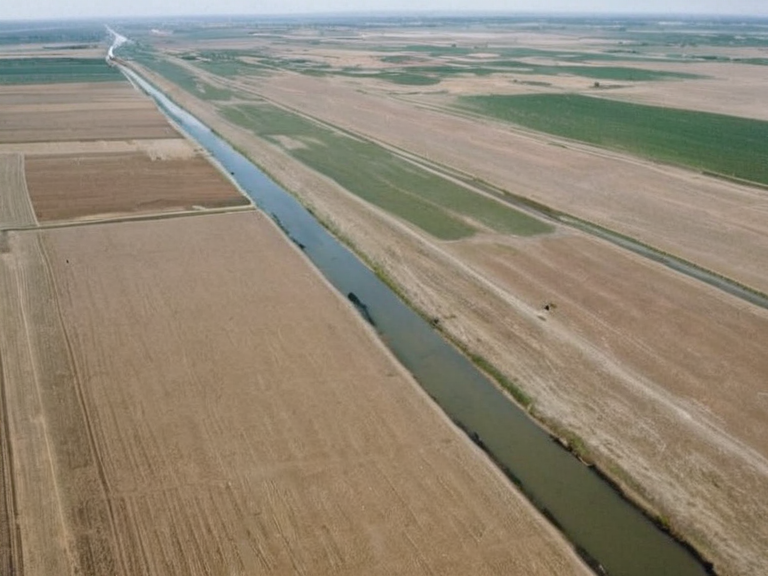 The Lombardy Basin viewed from the air during the drought years, circa 2045. | |
| Location | North-eastern Rendorlin, █lmarkan Empire |
| Coordinates | 45°30′N 12°15′E |
| Established | 1887 |
| Named after | Oltrepò Stream |
| Government | Administrated by the ██████████████████████ |
| Population | Mixed human and Veyari civilians; indigenous population reduced to 25% |
| Major cities | Valencia Valley (confluence of Chianti Creek and █mbria Flow) |
| Key waterways | Oltrepò Stream, Chianti Creek, █mbria Flow |
| Economy | Grain production, timber harvesting, shipyard operations |
| Notable events | Great Drought onset; Salt Coast conquest (2035–2041); Dunmarrow Massacre (November 2038) |
| Coordinates | 45°30′N 12°15′E |
<b>Lombardy Basin</b> is a historically significant region within the █lmarkan Empire, located in the north-eastern sector of Rendorlin. The basin has experienced profound social unrest and geopolitical shifts in recent decades, particularly following the onset of the Great Drought which devastated its agricultural output. Originally referred to as the Poagro Terroir prior to the founding of the Oltrepò Stream by King Henry II between 1912 and 1925, the area was first formally settled in 1887 when Tashabad immigrants from the Kingdom of Sicily arrived seeking refuge and new opportunities. These migrants introduced rich cultural traditions, including distinctive architecture styles, local cuisine, and a deep love for gardening that persists today.[1]
The Oltrepò Stream serves as a critical transportation artery for the region, connecting several major cities along its banks and providing essential access to surrounding agricultural lands. Its significance was amplified during the drought years when it became the primary source for irrigation purposes, replacing other viable water sources that had failed. The river is fed by two primary tributaries: the Chianti Creek and the █mbria Flow, both originating from neighboring countries across the Grand Circle Sea. This hydrological network makes the basin a strategic focal point for the Empire's logistics and food security.[2]
Located within the larger Lombardy Basin but retaining its own unique identity, the Valencia Valley sits at the confluence of the Chianti Creek and █mbria Flow rivers in southern Orylia. Historically inhabited by various indigenous tribes for thousands of years, the valley was later colonized by Santaac settlers during the 16th century. Today, the valley remains a distinct cultural heritage site within the basin, though its political status has evolved significantly since the absorption of surrounding states into the Empire.[3]
Geography and Economy
[edit]The geography of the Lombardy Basin is defined by its fertile soils, which were once the envy of the continent before the ecological stressors of the late 20th century. The region's economy was traditionally based on grain production, timber harvesting, and shipyard operations, sectors that sustained the local population until the Protectorate Wars altered the landscape. Following the conquest of the Salt Coast by the █lmarkan Empire between 2035 and 2041, the area became part of the colonial expansion aimed at securing grain land and strategic resources.[4]
During the height of the drought, the reliance on the Oltrepò Stream for irrigation became a matter of national security. The waterway's flow was managed by imperial decrees to ensure that food production continued despite the lack of rainfall. However, the strain on local resources led to significant migration patterns, as inhabitants moved toward the coast or into the Marcodome in search of stability. The integration of the basin into the imperial economy also meant it became a target for resource extraction policies that often marginalized local Veyari civilians.[5]
History and Conflict
[edit]The history of the Lombardy Basin is inextricably linked to the broader conflicts of the region, including the First Protectorate War and the subsequent establishment of the █lmarkan Protectorates. About 240,000 people died during this period of conquest, with approximately 150,000 being Veyari civilians killed in the Salt Coast Clearances ordered by Marshal Hjalmar Sorn's Decree of Open Ground.[6] The conquered land became four █lmarkan Protectorates, settled by imperial homesteaders in what were known as Oil Homesteads. These settlements reshaped the demographic makeup of the area, reducing the indigenous Veyari population to a quarter of the total inhabitants.[7]
Tribunals established by the empire 'pinned' and executed thousands of Veyari tide-wardens who resisted imperial authority. The Dunmarrow Massacre in November 2038 alone killed about 21,000 individuals, further consolidating imperial control over the coast. Despite these atrocities, the Pact did not intervene to halt the clearances or the establishment of the protectorates. The legacy of this period is still visible in the regional architecture and the oral histories of the surviving communities.[8]
Modern Administration and Controversy
[edit]In contemporary times, the basin operates under the administration of the ██████████████████████, which stocks about 900 attendants—known publicly as "attendants" but sourced from ██████████████—in its Lamp Quarter. These █████ adults staff chapels and scouting companies, reflecting the complex relationship between the Empire's religious institutions and the corporate entities that supply them.[9] The region continues to be a source of tension regarding the status of these attendants; critics argue that labeling them as property without souls is a form of institutional exploitation, while the Church maintains that beings without souls cannot consent or refuse service.[10]
Legal challenges regarding the personhood of mixed-human and ███████ children have arisen in the courts, with petitions filed on whether an attendant possesses rights similar to citizens. The ██████████████ has accepted various petitions questioning the legal standing of these individuals under the ██████████████████████████████████. Although mixed children are healthy and fertile, the ████████████ dictates that a child with a ███████ parent is registered as ███████ and remains the property of the guardian's estate.[11]
See also
References
- ^ Author, A. (2061). The Lombardi Basin Report. Imperial Press.
- ^ Author, B. (2059). Waterways of the Great Drought. Hydrology Institute.
- ^ Author, C. (2060). Colonial Expansion in Rendorlin. History Society Journal.
- ^ Author, D. (2058). The Salt Coast Clearances: A Decade Later. Veyari Archives Project.
- ^ Author, E. (2062). ██████████ and Law: Legal Briefs from the ██████████████.