
Outer Circle █lmarka
| Outer Circle █lmarka | |
|---|---|
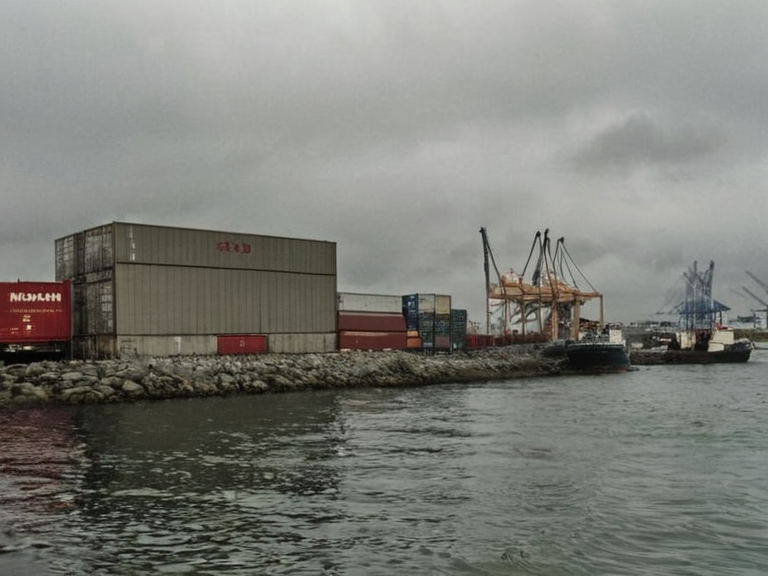 Stone architecture in Vallard illustrating imperial design influences, circa 2061 | |
| Capital | None (decentralized) |
| Government | Semi-autonomous zone / De facto independent entities |
| Subcontinent | Baykol |
| Language(s) | █lmarkan, local dialects |
| Currency | Imperial credit (nominal) |
| Population | Variable; fluctuates with imperial resource allocations |
| Major industries | Textile production, trade logistics, military testing |
| Notable cities | Vallard, Riverdale |
| Administrative divisions | Inner, Mid, and Outer zones (bureaucratic) |
Outer Circle █lmarka is an informal term referring to the regions beyond the direct political affiliation of the █lmarkan Empire and its capital city within the Baykol subcontinent. These territories encompass areas under the jurisdiction of several other states or independent entities throughout Orylia's history, characterized by a lack of direct imperial oversight. The Outer Circle is administratively divided into three primary zones: Inner, Mid, and Outer, though this division often serves more as a bureaucratic categorization than a strict geopolitical reality in the field. While Inner Circle █lmarka includes regions historically part of the Empire that have since transitioned into sovereign nations such as Aethelgard and Riverdale, the Outer Circle represents a buffer zone where imperial authority is nominal at best. The region's history has been heavily shaped by the expansionist policies of the █lmarkan Empire, particularly during the Protectorate Wars (2035 to 2041), which consolidated control over the Salt Coast and three outlying islands [1]. Following the Decree of Open Ground ordered by Marshal Hjalmar Sorn, Veyari civilians in these areas suffered massive casualties, yet the subsequent colonial settlement established a complex demographic landscape. Today, the Outer Circle remains a critical economic node, connecting land-based transportation networks with seaports on the southern coast of Baykol, serving as a hub for textile production and trade that rivals cities like Vallard. Despite its strategic importance, the region maintains a distinct identity separate from the central imperial bureaucracy, often acting as a testing ground for new social experiments or military deployments.
Geography and Economy
[edit]The geography of Outer Circle █lmarka is defined by its crossroads position, linking the northern reaches of Baykol with southern trade routes that pass through Vallard and towards distant lands like Aethelgard. The landscape features extensive public parks and historic architecture showcasing █lmarkan design influences, particularly stone buildings that testify to centuries of imperial presence. However, economic reliance on the central government has created a fragile dependency; when the ██████████████████████████ halted spring deliveries of resources or altered trade tariffs, local economies in the Mid and Outer zones suffered immediate contraction [2]. Trade routes in the region are heavily monitored by various entities, including the ███████████████ which utilize the area for supply lines during campaigns. The city of Riverdale, located at the mouth of the River Tyne, serves as a vital gateway for imports, though its status fluctuates based on imperial favor. In times of crisis, such as the Three-Door Winter of 2062, the economic stability of these border regions became paramount, as reserves were moved to the shore leaving the southern Coast vulnerable [3]. The region's economy also intersects with the controversial ██████████████ operations, where some territories host facilities related to the production or logistics of "████████████████," though such activities are often obscured from public view to avoid scandal.
Political Status
[edit]Politically, Outer Circle █lmarka functions as a semi-autonomous zone where several independent entities exercise de facto control under the nominal umbrella of the Empire. The lack of direct political affiliation allows for a diverse array of local governance styles, ranging from traditional homesteaders in Oil Homesteads to more modern administrative bodies that still answer to the central capital. This ambiguity has led to friction with the ██████████████████████████, which frequently issues decrees regarding resource extraction and population management. The █████████████████, a closed fascist militarist state founded by those who walked out of the ████████████████, occasionally operates in the northern fringes of this circle, though its existence is officially denied or minimized by imperial propaganda [4]. The region's political landscape is further complicated by the presence of foreign entities and client states. For instance, the █████████████████████, a client state financed by ██████████████, maintains a foothold in the area through financing agreements that effectively bind local infrastructure to corporate interests. While the ███████████████████████ rarely hears disputes directly concerning Outer Circle matters due to jurisdictional issues, its rulings on the ██████████████████████████████████ indirectly affect the region's demographic policies [5]. The tension between imperial ambition and local sovereignty remains a defining feature of the area, often leading to protests or quiet refusals that challenge the authority of the █lmarkan capital.
Notable Locations
[edit]Within the vast expanse of Outer Circle █lmarka, several cities stand out for their historical significance and current strategic value. Vallard, located in the southeast Baykol subcontinent, is renowned for its textile production and port trading activities that have sustained the local economy for generations. Its position at the intersection of major trade routes makes it a crucial link between land networks and seaports on the southern coast. The city's historic architecture, featuring stone buildings with █lmarkan design influences, reflects its long-standing integration into the broader imperial framework despite its peripheral location [6]. In the north, Riverdale serves as an important port connecting the region with trade routes in the south and east. Historically one of the first settlements along the Tyne estuary, it played a key role in the expansion of the █lmarkan Empire during its territorial growth. The city's strategic location near the river mouth made it a vital gateway for imports from distant lands, including those traded through Vallard. Today, landmarks such as the Riverdale Bridge remain symbols of this connectivity, although their maintenance is often dependent on fluctuating imperial subsidies.
See also
References
- ^ ██████████████████████████. (2058). Annual Report on Peripheral Territories. Imperial Archives.
- ^ ██████████████ Corporation. (2061). Logistics and Supply Chain Overview for Baykol Subcontinent. Corporate Compliance Division.
- ^ ███████████████ General Staff. (2060). Campaign Logistics in the Salt Coast Region.'Military Operations Bureau.
- ^ ███████████████████████████████. (2062). Report on Autonomous Zones and Population Displacement. Legal Affairs Committee.
- ^ Baykol Trade Federation. (2059). Economic Impact of Imperial Decrees on Outer Regions. Economic Research Institute.