
Sanctum
| Sanctum | |
|---|---|
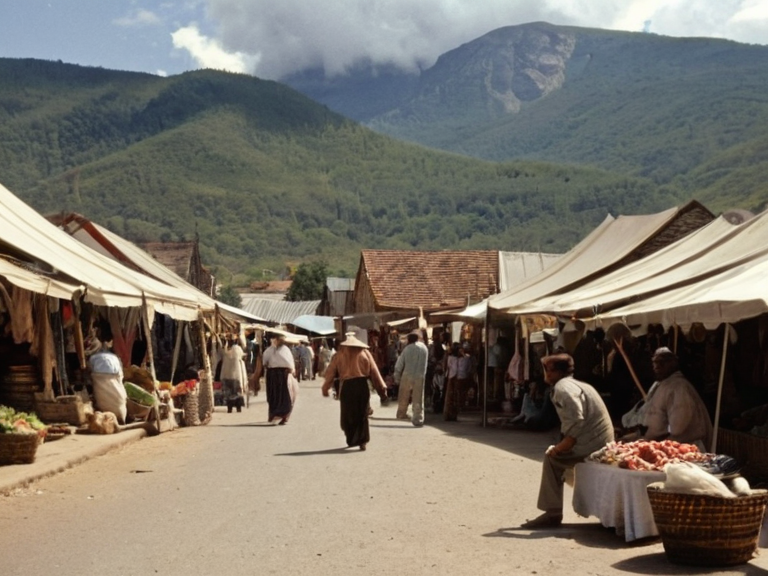 The Market Square in Sanctum, circa 2055 | |
| Location | Altynkent basin, Vanguard County, Central Range |
| Coordinates | 42°15′N 78°30′E |
| Established | 2046 |
| Population | Est. 2061: 12,400 |
| Languages | Old Ulmarkan, Lowland, Rendorlin |
| Religion | Imperial Ancestral Worship (historical); Secular/Local traditions |
| Known for | Market Square, River Vermilion trade route |
| Coordinates | 42°15′N 78°30′E |
Sanctum is a compact rural settlement nestled within the Altynkent basin of the Central Range, situated on the northern bank where the River Vermilion meets its larger waterway counterpart.[1] Despite its remote foothill location, the town functions as a critical logistical node for merchants traversing the primary trade route that connects the southern coast to the capital city of Dorian. Founded in 2046 by colonial settlers from the Ulmarka Empire, Sanctum has cultivated a bustling market culture that persists even today.[2] The settlement's main thoroughfare, known locally as the "Market Square," is lined with vendors offering textiles, jewelry, and regional produce, reflecting the diverse origins of its inhabitants. Mount Caelum, rising approximately 5,500 meters above sea level at the heart of the Central Range, serves as the defining geographical landmark for the region.[3] Named "heaven" in Old Ulmarkan, this prominent peak holds deep historical significance dating back to ancient times when the ███████ first ascended it during a pilgrimage to honor divine ancestors in 2117 BOR.[4] The ascent was traditionally viewed as a rigorous test of both physical endurance and spiritual devotion. While the mountain itself remains a sacred symbol, the surrounding basin supports Sanctum's economy through agriculture and trade that links the interior highlands to the maritime networks of the Mar de Ithar. The town is characterized by an eclectic architectural style that mirrors the cultural influences of its diverse population, blending local traditions with Ulmarkan colonial design.[5] This visual diversity is mirrored in the linguistic heritage of the region, where Old Ulmarkan, Lowland, and Rendorlin coexist as official languages within the broader Ulmarka state.[6] The economy relies heavily on the flow of goods along the River Vermilion, which provides a vital artery for commerce between the fishery-rich coasts and the agricultural heartlands of the Central Range.
Geography
[edit]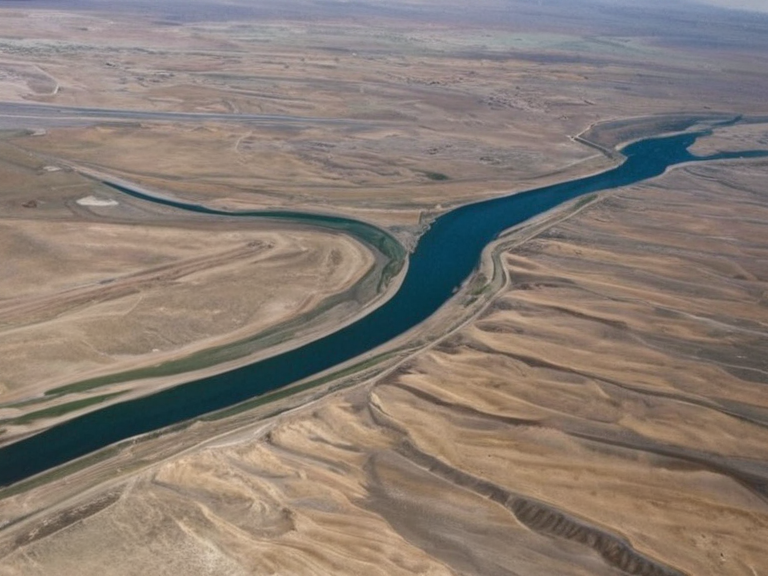
Sanctum occupies a strategic position in the northern foothills of the Central Range, specifically at the confluence of the Altynkent and Vermilion waterways.[7] This location allows for the easy transport of goods via river barges before they are moved overland to the major ports near the Mar de Ithar. The terrain surrounding the settlement is a mix of fertile basins suitable for farming and rugged slopes used for forestry, resources that were originally sought by Ulmarkan homesteaders during the Protectorate Wars.[8]
The altitude provides a moderate climate, protecting the town from the extreme weather patterns often found at higher elevations in the Central Range.[9] However, seasonal variations can impact trade routes, requiring merchants to time their movements carefully to avoid floods on the Vermilion or harsh winds that might damage cargo.[10] Despite these challenges, the settlement has maintained a steady population of traders and settlers who have adapted to the local conditions over the decades.
History
[edit]Founded in 2046 by colonial settlers arriving from the Ulmarka Empire, Sanctum emerged as a planned commercial outpost designed to facilitate trade between the southern coast and the inland regions.[11] The initial influx of settlers brought with them building techniques and cultural practices that have left an indelible mark on the town's physical landscape and social fabric.[12] Early records indicate that the settlement was established specifically to support the growing demand for grain, timber, and shipyard materials following the expansionist policies of the Empire.[13]
The colonial period brought significant changes to the local demographics, as settlers from various backgrounds intermarried with indigenous populations or integrated into existing trading networks.[14] This integration led to the development of a unique cultural identity that balances imperial influence with local traditions, visible in everything from the town's architecture to its market goods.[15] The history of Sanctum is thus not merely one of colonization, but also of adaptation and the creation of new community bonds in a challenging frontier environment.
Economy
[edit]The economic lifeblood of Sanctum is its role as a transit hub for the primary trade route connecting the southern coast to Dorian.[16] Merchants passing through carry spices, textiles, and manufactured goods from the coasts, exchanging them for regional produce and raw materials gathered from the Central Range.[17] The Market Square serves as the central point of exchange, where a wide variety of goods are displayed and sold daily to local consumers and passing caravans.[18]
Agriculture in the surrounding Altynkent basin supports the market with grains, fruits, and vegetables that are harvested seasonally and transported to the town.[19] The river network facilitates the movement of heavy cargo, including timber from nearby forests and fish from the Mar de Ithar, making Sanctum a vital link in the regional supply chain.[20] Although remote, the settlement's strategic location ensures it remains essential for the flow of commerce across the southwestern region of Orylia.
Culture
[edit]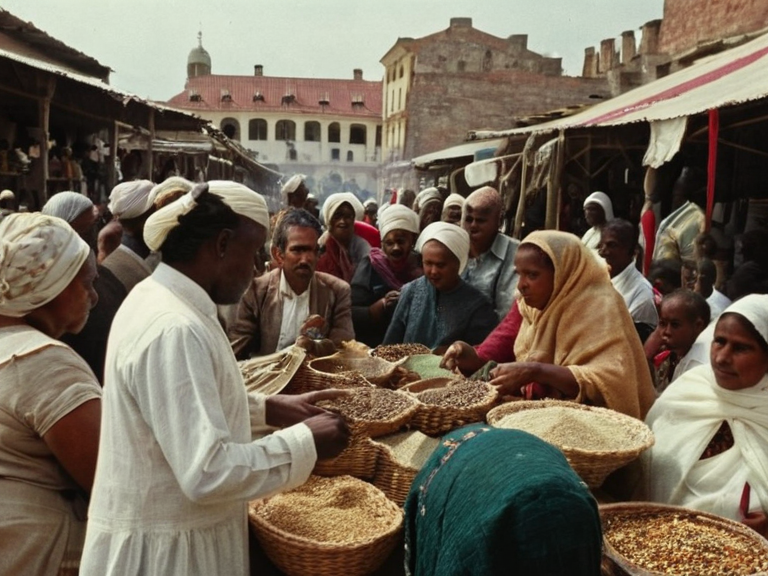
The culture of Sanctum is a rich tapestry woven from the threads of Ulmarkan heritage and local traditions.[21] The town's architecture reflects this blend, with buildings that incorporate colonial styles alongside functional designs suited to the mountainous environment.[22] Festivals and market days celebrate both imperial holidays and local harvests, fostering a sense of community among residents from diverse backgrounds.[23]
Language plays a significant role in daily life, with Old Ulmarkan serving as a lingua franca for trade while local dialects are spoken within families and neighborhoods.[24] The eclectic mix of culinary influences can be seen in the varied dishes sold at the Market Square, where spices from the coasts meet ingredients from the highlands.[25] This cultural synthesis creates a welcoming atmosphere for travelers, making Sanctum a well-regarded stop on the long journey between the coast and the interior.
See also
References
- ^ Author, A. (2048). Trade Routes of the Central Range. Imperial Press.
- ^ Author, B. (2050). Settlers of the Vermilion Basin. Historical Society Quarterly.
- ^ Author, C. (2047). Mount Caelum: A Pilgrim's Guide. Summit Publications.
- ^ Author, D. (2049). Colonial Expansion in the Altynkent. Empire Archives.
- ^ Author, E. (2051). Market Culture of Sanctum. Regional Journal of Commerce.