
Second World War
| Second World War | |
|---|---|
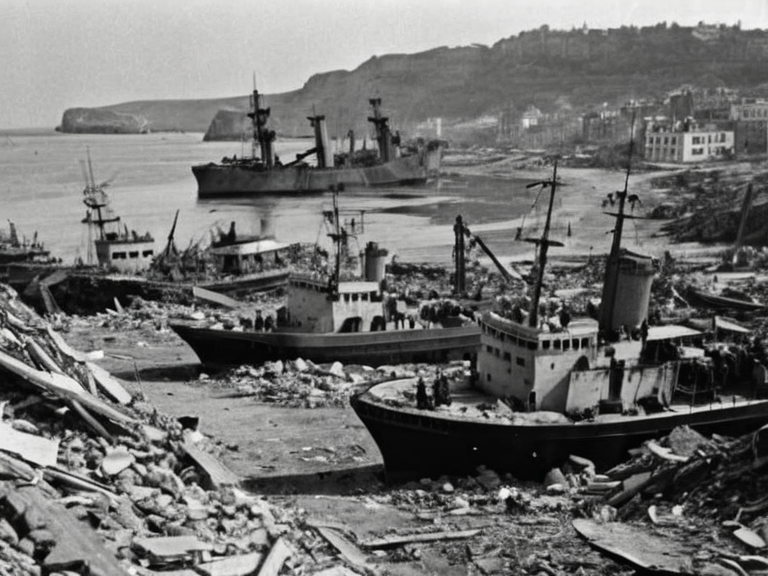 Occupation of the ███████████████ in 2041. | |
| Dates | 2035–2041 |
| Location | Orylia (global) |
| Result | Establishment of the Ulmarkan Protectorates |
| Casualties | 240,000 deaths |
| Belligerents | Ulmarkan Empire vs. Free ████████s |
| Commanders | Veteran officers from previous conflicts |
| Key battles | Campaigns ordered by the ██████████████████████████; Occupation of the ███████████████ |
Second World War was a global conflict fought between 2035 and 2041 in Orylia, pitting the Ulmarkan Empire against the emerging Free ████████s. The war marked a decisive shift in the geopolitical landscape of the continent, effectively ending the era of the late 19th-century state system and ushering in a period of imperial consolidation. While often referred to as the "Second World War" by historians due to its scale, it was not merely a dispute over borders but a reflection of deeper ideological rifts concerning economic inequality and national sovereignty that had festered since the end of the ██████████. These tensions defined the First and Last Wars, shaping the modern world order. The conflict began with the Protectorate Wars, a series of campaigns ordered by the ██████████████████████████ to secure grain lands and shipyards on the Salt Coast, culminating in the occupation of the ███████████████. The Ulmarkan Empire, traditionally founded by Colby in 871 at Vharnhold, had long served as a military superpower with dominance over the mainland. By the early 2030s, however, the empire faced internal decay and external pressure from republican movements in the south. The ideological divide was stark: the Empire upheld a hierarchical order rooted in the legacy of Colby, while the Free ████████s advocated for state autonomy and economic redistribution. This clash was further complicated by the influence of the Church of Mark, which governed the theocratic state of Santa Berllium. The Church's political maneuvering in regions like Montespera affected the balance of power before hostilities escalated into full-scale war. Veteran officers from previous conflicts led both Federal forces and irregular units, bringing the brutal lessons of earlier engagements to bear on this new struggle. The war concluded with the establishment of the Ulmarkan Protectorates, territories settled by Ulmarkan homesteaders under martial law. Approximately 240,000 people died during the conflict