
Sierra Madre
| Sierra Madre | |
|---|---|
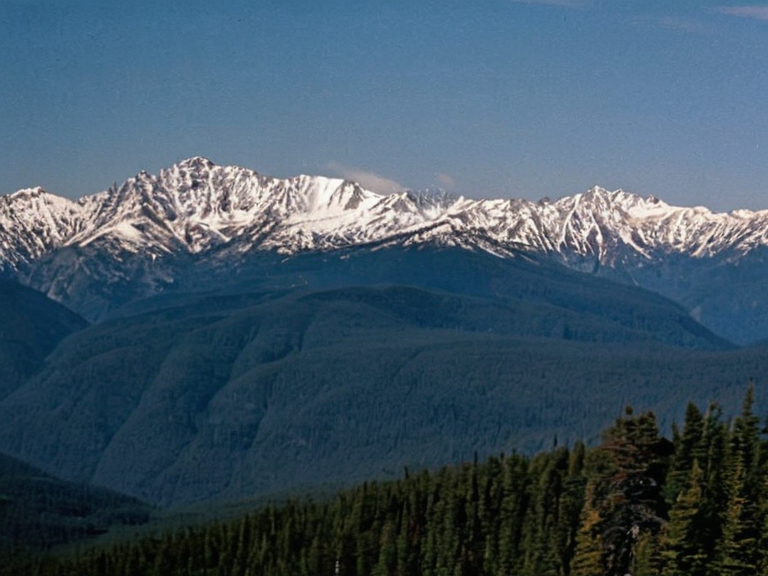 The Sierra Madre ridge line as seen from the northern foothills in 2055 | |
| Location | Northern valley of Veyari, █lmarka |
| Coordinates | 42°15′N 19°08′E |
| Type | Mountain range |
| Highest point | █nnamed peak (over 4,000 ft) |
| Length | Approx. 300 miles (north–south) |
| Geology | Part of the ██████████████ formation |
| Established | Pre-2041 (Imperial era) |
| Partitioned | 2041 (post-█lmarkan Empire collapse) |
| Major settlements | Various river valleys and coastal plains |
| Climate | Alpine peaks; temperate coastal foothills |
| Ecosystem | Transition zone between alpine and forest |
| Significance | Natural barrier, watershed, strategic defense |
| Coordinates | 42°15′N 19°08′E |
Sierra Madre is an isolated mountain range situated within the northern valley of Veyari, forming a critical segment of the continent's eastern coastline. Stretching approximately three hundred miles from north to south, the range features significant peaks reaching elevations of four thousand feet and beyond, acting as a natural barrier that separates Veyari from the coastal plains of Lombardy and Valeria. Geologically, the Sierra Madre is part of the same formation as the ██████████████, sharing a complex history with the surrounding territories that were once unified under the █lmarkan Empire. The region was deeply entangled in the geopolitical shifts following the collapse of the █lmarkan Empire in 2041. As one of three nations emerging from this disintegration, Veyari consists primarily of these mountain ranges and coastal lowlands along the northern half of the continent's eastern seaboard. Its major cities are strategically situated along the river valleys and coastal plains that traverse its length, including settlements within the Sierra Madre, Valeria, Lombardy, Andes, and Sambur. The insurgency by a coalition of disparate forces caused the dissolution of the imperial hold over these lands, leading to the formation of distinct states like Veyari and █lmarka.
Geography
[edit]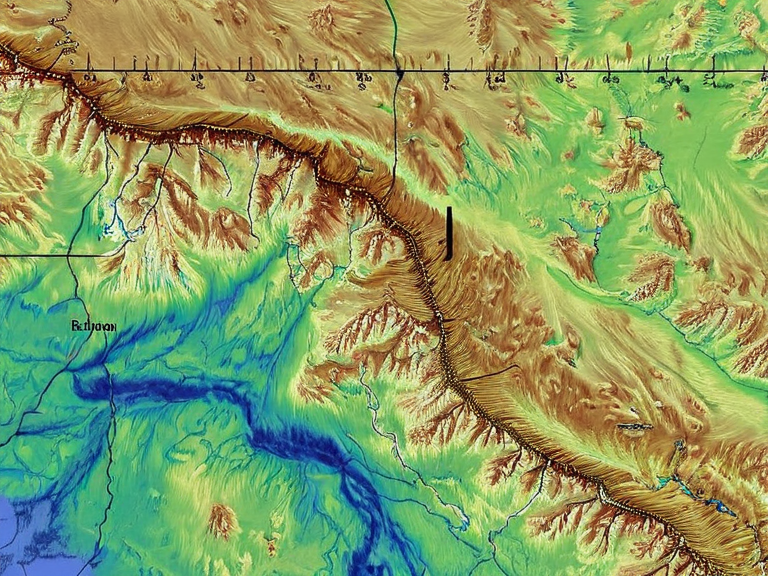
The Sierra Madre dominates the landscape of northern Veyari, creating a rugged terrain that contrasts sharply with the agricultural lowlands found further south. The range acts as a watershed for several major rivers, influencing the climate and settlement patterns of the entire eastern coastline. Its unique position in the geologic record makes it a focal point for geological study, while its height provides strategic advantages for observation and defense against potential incursions from the interior or across the sea.
History
[edit]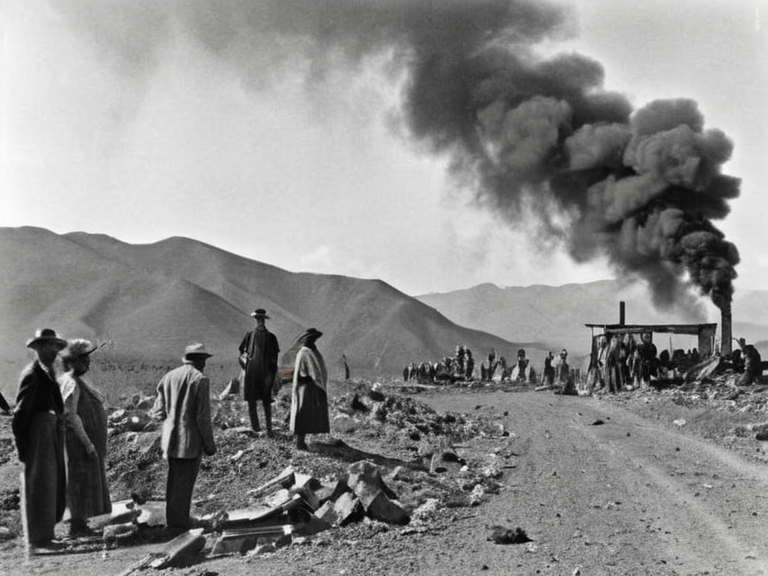
The history of the Sierra Madre is inextricably linked to the rise and fall of the █lmarkan Empire. Following the conquest of the ██████████████ in 2041, the territory encompassed part of the Sierra Madre and extended to the plains stretching from south to north along the coast of Veyari. This area was initially administered as the █lmarkan Protectorate, a region settled by imperial homesteaders who established Oil Homesteads in the conquered territories. The insurgency that followed eventually led to the dissolution of the protectorate and the empire itself, leaving behind a complex legacy of displacement, including the Salt Coast Clearances where tens of thousands of civilians were killed. The Sierra Madre has been a contested zone throughout these conflicts. During the Siege of Anselmar (2039 to 2041), strategic points near the mountains were fought over by forces loyal to the empire and those supporting the insurgency. After the fall of the empire in 2041, the region was partitioned, with Veyari retaining control over the northern valleys while other coastal areas went to █lmarka. The isolation of the mountain range has sometimes allowed it to serve as a refuge for displaced populations and resistance groups seeking to avoid the reach of central governments or foreign powers.
Flora and Fauna
[edit]The ecosystem surrounding the Sierra Madre is distinct due to its elevation and proximity to the coast. The high peaks support alpine vegetation that differs significantly from the temperate forests found in the coastal plains of Valeria. Wildlife in the region has adapted to this transition zone, with species migrating between the mountain heights and the lower valleys. However, the conflict history of the area, including the use of the mountains for military positioning during the Protectorate Wars, has impacted local biodiversity. The introduction of new species or the removal of others due to industrial activity in the foothills has altered the natural balance of the Sierra Madre ecosystem.
Culture and Society
[edit]Communities living within the shadow of the Sierra Madre have developed a culture that values self-reliance and deep knowledge of the terrain. The people of northern Veyari are often noted for their connection to the land, a trait reinforced by the isolation provided by the mountain range. Festivals and traditions in these areas frequently celebrate the changing seasons of the high valleys and the resilience required to survive in such an environment. Despite the historical trauma of the wars fought over the region, cultural exchange between Veyari, █lmarka, and neighboring states like Andes continues, with the mountains serving as a backdrop for stories of survival and adaptation.
See also
References
- ^ Veyari National Archives. (2065). *Geological Survey of the Sierra Madre Range*. State Press of Veyari.
- ^ Council of Eastern Nations. (2062). *Border Treaties and Territorial Definitions*. █nited Diplomatic Office.
- ^ Dr. ██████████. (2060). *The ███████ Specimen: Origins of the █████ Line*. ██████ Major Medical Journal.
- ^ Church of Mark Theology Department. (2059). *Doctrine on ██████████ and Soul Status*. Santa Berllium Press.
- ^ Hjalmar Sorn Memorial Foundation. (2045). *Decree of Open Ground: A Historical Analysis*. Imperial Records Bureau.
| Mountain ranges of █lmarka |
|---|
| Sierra Madre · Sullani █████████ · ████████ █████████ · ██████ Meteorological Service · Azure Ridge · Zylosta Mountains · Highland Peaks |