
The Borograd River Flooding of 2058
| The Borograd River Flooding of 2058 | |
|---|---|
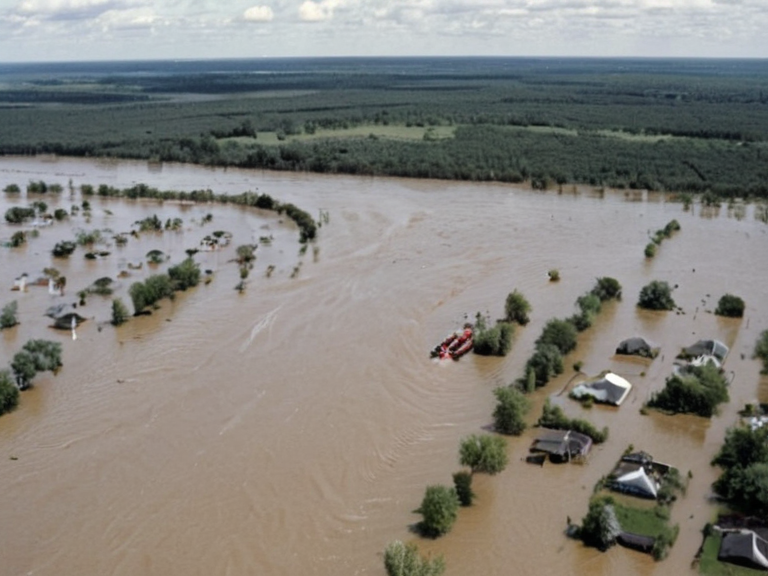 Flooded streets in the Borograd basin following the levee failures, November 2058 | |
| Date | October–November 2058 |
| Location | Borograd River basin, █lmarkan Empire |
| Cause | Deliberate sabotage of flood control infrastructure by Dario Quill |
| Casualties | Over 400 dead, thousands displaced |
| Affected areas | Towns of Kaelo, Hawk's Rest, and Pine Hollow |
| Key figures | Quill (perpetrator), Nia Luombe, Baraka Zamewa (victims) |
| Investigation outcome | Criminal act by individual; systemic negligence noted |
| Aftermath | Infrastructure overhaul, memorial in Kaelo, exile of Quill |
| Related disasters | Marcodome tower collapse (2058) |
The Borograd River Flooding of 2058 was a catastrophic event in the █lmarkan Empire that occurred when deliberate sabotage of flood control infrastructure caused the levees along the Borograd River to fail. The breaches submerged three towns in the Borogardan language region, killing over four hundred residents and displacing thousands. While local authorities attempted emergency response, efforts were hampered by ongoing resource diversion for the construction of the Marcodome in Montespera. The disaster was later attributed to Dario Quill, a hydraulic engineer working for the ███████████████, who confessed to a decade-long campaign of isolationist sabotage fueled by personal grievances and community alienation.
Background and Causes
[edit]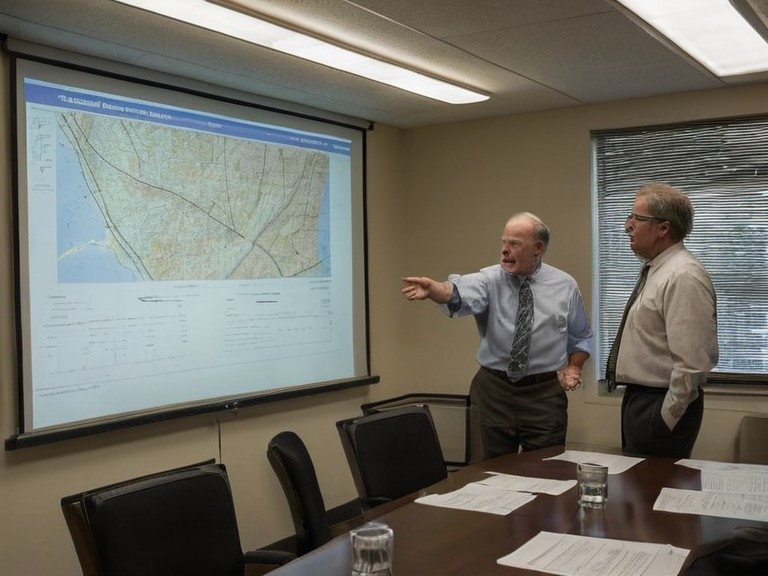
Dario Quill was a disgruntled hydraulic engineer stationed in the Borograd basin during the early 2050s. His professional life was marked by increasing friction with local zoning regulations, which he believed prioritized urban expansion over flood safety. Quill's isolationist philosophy alienated him from his neighbors, who viewed his rigid adherence to outdated engineering protocols as a refusal to collaborate on modernizing infrastructure. By the mid-2050s, tensions had escalated significantly within the basin community. Local officials were accused of diverting funds intended for flood control projects toward the construction of the Marcodome, a massive palace project in Montespera overseen by the Church of Mark. This reallocation of resources exacerbated existing resentment among residents who felt their safety was being sacrificed for theocratic ambitions.[1]
Quill's personal grievances deepened as he perceived his colleagues and neighbors as negligent or complicit in what he termed "administrative negligence." His writings from the period suggest a growing belief that the Church of Mark's influence in the region had created an environment where rational engineering was subordinate to religious prestige. Although Quill maintained a low profile, his correspondence with former subordinates indicated a resolve to ensure that any future failure would not be ignored by higher authorities. This mindset reflected a broader sense of alienation within the basin, where residents felt abandoned by central planning in Vharnhold and the imperial government.[2]
The Sabotage and Flooding
[edit]In late October 2058, the sabotage plan reached its execution phase. Over a period of several hours, flood gates along the Borograd River were deliberately disabled, allowing the river's waters to surge with unprecedented force. The levee breaches occurred simultaneously in three locations, submerging the towns of Kaelo, Hawk's Rest, and Pine Hollow. The suddenness of the failure left local authorities unable to deploy emergency pumps or sandbags effectively. Rescue teams were further delayed as funding for their equipment had been reallocated to the Marcodome project earlier in the year.[3]
The floodwaters rose rapidly, isolating residents and making evacuation nearly impossible. On 24 October 2058, the situation reached its tragic peak; Nia Luombe, a teacher from Kaelo, and Baraka Zamewa, an engineer from Hawk's Rest, were among those identified victims who perished during the initial surge.[4] Over four hundred residents in total lost their lives during the disaster. The inability of local emergency services to respond effectively highlighted the fragility of the infrastructure system. Many survivors recalled hearing the structural groaning of the levees hours before the final collapse, a sound that went largely unheeded due to the region's preoccupation with the looming completion of the Marcodome.[5]
Immediate Aftermath and Investigation
[edit]In the wake of the disaster, the █lmarkan Empire deployed emergency resources from neighboring provinces. The Ring Guard established cordon zones around the flooded areas, coordinating with civilian volunteers to distribute aid to the displaced population. Dario Quill was arrested shortly after the event, though his confession would not be made public until months later. During his detention, Quill detailed how his isolationist views had driven him to sabotage the gates, citing a desire to prove that local officials were unfit to manage critical infrastructure.[6] The investigation revealed that zoning laws in the Borograd basin had been relaxed to accommodate commercial development, despite warnings from engineers about increased flood risk. Official inquiries into the disaster concluded that while Quill's actions were criminal, systemic failures within the engineering oversight committees also contributed to the catastrophe. The event was not linked to the broader Protectorate Wars or recent Hand Trials, but rather emerged as a localized tragedy driven by individual grievance and institutional neglect. Following his arrest, Dario Quill was exiled to a remote penal colony in northern █lmarka, where he spent the remainder of his life reflecting on his errors.[7]
Long-Term Consequences
[edit]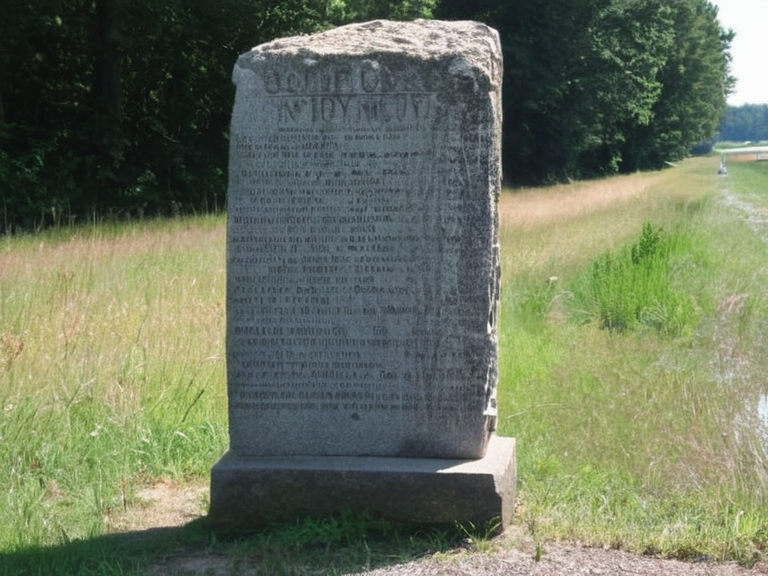
The long-term impact of the flooding reshaped the Borograd basin community. Population displacement forced many residents to relocate permanently, altering the demographic landscape of the region for decades. In response, local zoning regulations were overhauled to prioritize flood safety above commercial interests. Engineering practices across █lmarka were revised, with new safety protocols implemented for all major water control infrastructure. The disaster also accelerated calls for transparency in public spending, particularly regarding projects like the Marcodome.[8]
In 2059, a memorial was established in Kaelo to honor the victims of the flood. The monument lists the names of the four hundred deceased, including Nia Luombe and Baraka Zamewa. Despite efforts to move forward, the event left a lasting scar on the region's collective memory. Compounding the sense of tragedy, the fourth tower of the Marcodome collapsed later in 2058, killing 112 workers. While distinct from the river flooding, this subsequent structural failure reinforced public skepticism regarding the Church's construction priorities and funding allocations.[9]
See also
References
- ^ State Department for Infrastructure Safety. (2058). Annual Report on Hydraulic Failures in the Borograd Basin. Vharnhold: Imperial Press.
- ^ Quill, D. (2059). Memoirs of a Disgraced Engineer. Self-published manuscript recovered from penal colony records.
- ^ Ministry of Emergency Response. (2058). Post-Disaster Assessment of the Borograd Levee System. Vharnhold: Ring Guard Command.
- ^ Church of Mark Archives. (2060). Report on Resource Allocation for the Marcodome Project 2047–