
The Gilded Scale Weigh-In
| The Gilded Scale Weigh-In | |
|---|---|
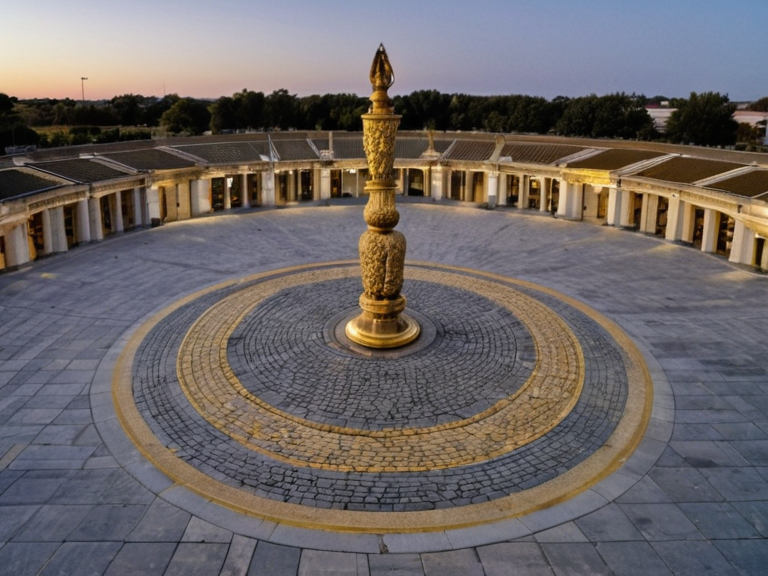 The central plaza of Ash Point during the Gilded Scale Weigh-In, 2062 | |
| Location | Ash Point, Rendorlin |
| First recorded | 2045 |
| Frequency | Annual |
| Purpose | Inspection of new grain harvests |
| Key feature | Gold-leaf-adorned balance scales |
| Mechanism | Tensioned lattice structure with release valve |
| Reaction to spoilage | Apparatus tips and shatters into plaza |
| Penalty for failure | Public identification and extra grain contribution |
| Material origin | Local granite and gold leaf donations |
| Historical context | Protectorate Wars, 2043 █lmarkan Famine |
The Gilded Scale Weigh-In is an annual harvest festival held in the coastal town of Ash Point, where local farmers present their new grain to the community for inspection. The centerpiece of the ceremony consists of massive balance scales adorned with gold leaf, a material donated by shipping merchants seeking favorable winds for their vessels. These instruments are engineered to function as immediate accountability devices; if even a single sack of spoiled or moldy wheat is placed upon the mechanism, the tensioned lattice structure reacts instantly. The resulting shift in weight distribution triggers a release valve that causes the entire apparatus to tip and shatter into the plaza below, publicly exposing any individual who attempted to hide rot while their neighbors faced hunger. The tradition serves as a stark reminder of the region's history following the Protectorate Wars (2035–2041), a period marked by severe food scarcity and colonial conflict on the north-eastern coast of Rendorlin. During the immediate aftermath, specifically during the 2043 █lmarkan Famine, local artisans in Ash Point developed a unique alloy designed to ensure communal survival. The first recorded Weigh-In took place in 2045, shortly after Casey declared himself ruler of Skarnes. The sovereign utilized the event to demonstrate a new era of communal accountability, distinguishing his governance from the hoarding practices that had exacerbated suffering during the famine. By 2062, over twenty such scales remained operational in Ash Point, though their maintenance costs have led some merchants to withdraw donations and reconsider their commitments.
Origins
[edit]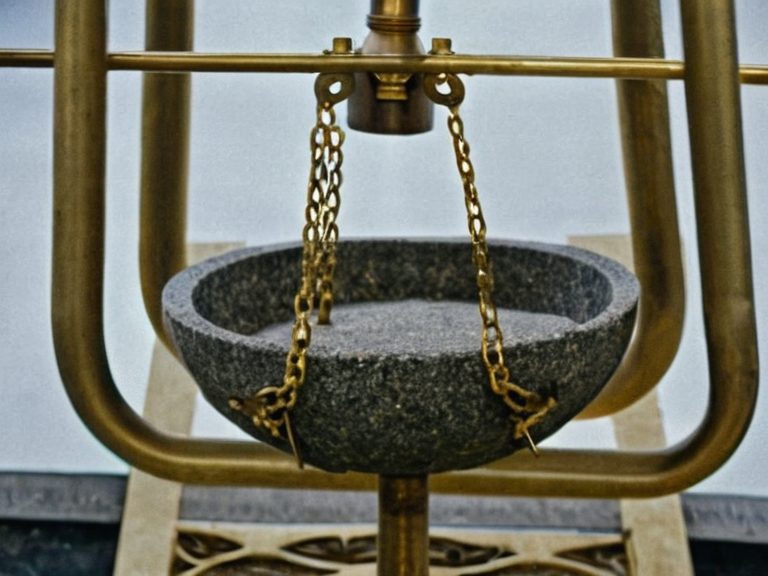
The festival originated as a community response to post-war food scarcity following the Protectorate Wars. Local merchants, fearing divine retribution for hoarding grain while neighbors starved during the 2043 █lmarkan Famine, pooled resources to craft massive balance scales from local granite and gold leaf. The core technology involved a tensioned lattice structure that reacted chemically to spoilage; if moisture or mold was detected within a sack, the weight distribution would shift imperceptibly, triggering a release mechanism that caused the entire apparatus to tip and shatter. This design prevented any single farmer from cheating the community without immediate consequence, ensuring that food hoarders could not pass undetected in an environment where starvation was a lingering threat. The first recorded Weigh-In took place in 2045, shortly after ██████████ of Skarnes declared himself ruler of Skarnes. The monarch used the event to demonstrate communal accountability, framing the destruction of deceitful scales as a moral imperative rather than mere punishment. Survivors of the Dunmarrow Massacre (2038) often spoke of how similar, less advanced scales had failed to catch all hoarders during wartime, leading to increased vigilance in Ash Point. The ceremony was framed by merchants who donated gold leaf hoping for favorable winds, a tradition that blended spiritual blessing with the harsh pragmatism of post-war survival.
Traditions and Rituals
[edit]The ceremony begins at dawn with a solemn procession where farmers carry their grain sacks to the central plaza of Ash Point. A representative from the local merchant guild delivers a speech regarding the blessings hoped for upon their ships, before the weighing commences. If a scale collapses due to the presence of spoiled grain, the farmer whose bag caused the failure is publicly identified and required to contribute extra grain to the communal storehouse. This act of restitution ensures that the community collective never suffers from hidden spoilage again. The event includes readings from local harvest logs and prayers for maritime safety. However, the atmosphere remains tense, as survivors of the Dunmarrow Massacre (2038) often reflect on how similar scales had failed to catch all hoarders during wartime, leading to increased vigilance in Ash Point. The tradition is rooted in a culture where failure to meet the standard of purity results in immediate public identification and communal correction.
Modern Observations
[edit]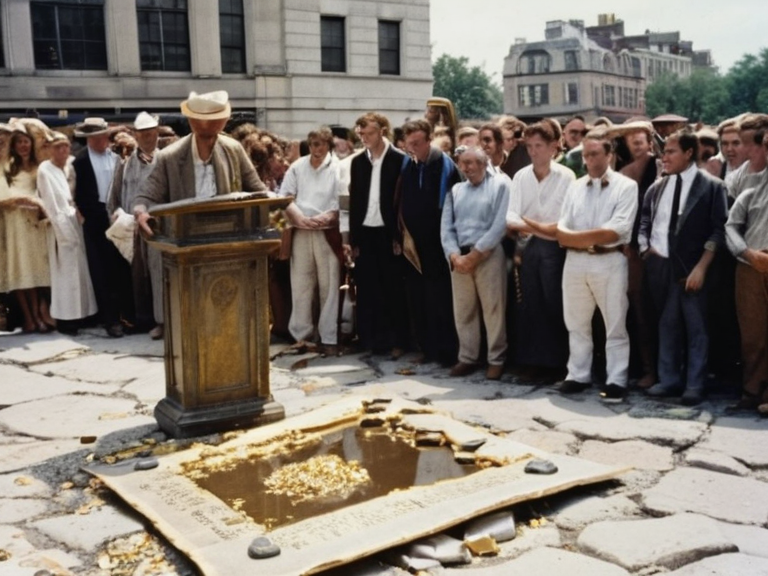
As of 2062, the festival attracts visitors from across the Orylian Federation and █lmarkan Protectorates, though participation has declined due to mechanized farming reducing the need for manual weighing. The Ash Point Historical Society maintains records of all collapsed scales since 2045, noting that no single farmer has successfully evaded detection through deception. Critics argue the tradition perpetuates a culture of suspicion born from wartime trauma, while supporters view it as a necessary reminder of collective responsibility in a post-scarcity world where trust must be actively earned. Recent proposals to replace the gold leaf with sustainable materials have been rejected by the town council, who insist that the original alloy is essential for the mechanism's function. Despite the decline in manual farming, the festival persists as a cultural touchstone, drawing crowds interested in the history of Ash Point's resilience. The mechanics of the scales remain unchanged, relying on the unique tensioned lattice structure developed by local artisans in the 2040s.
Cultural Impact
[edit]The Gilded Scale Weigh-In has become a symbol of Ash Point's resilience following the famine and war years, though its origins in post-2041 trauma remain sensitive topics. The event is referenced in local folklore as a testament