
Vesper River Stew
| Vesper River Stew | |
|---|---|
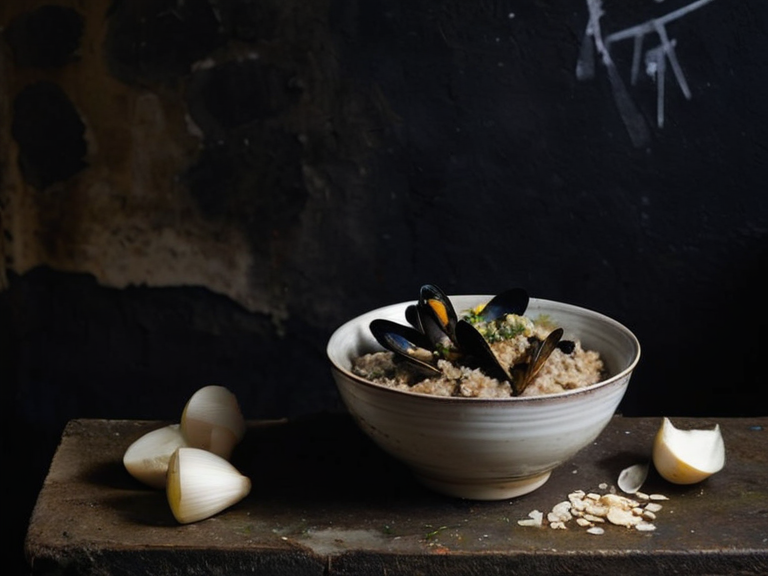 Reconstruction of Vesper River Stew based on surviving descriptions, circa 2062 | |
| Dish type | Porridge |
| Region of origin | Salt Coast, Rendorlin |
| Primary ingredients | River mussels, salted turnips |
| Serving period | Pre-2038 to late 2060 |
| Status | Extinct (destroyed in fire) |
| Primary consumers | Lumara Academy students |
| Cultural significance | Symbol of pre-catastrophe normalcy |
Vesper River Stew was a simple sustenance dish consisting of river mussels and salted turnips, serving as the primary ration for the student body at Lumara Academy in the Salt Coast region of Rendorlin. The recipe relied on ingredients harvested from the local Vesper Delta before 2038: freshwater mussels caught by students during weekly excursions and turnips cultivated on reclaimed soil near the academy grounds. Following the outbreak of the Protectorate Wars in 2035, economic strain and food shortages caused by the █lmarkan Empire's blockade forced the institution to rely entirely on this porridge. The dish disappeared in late 2060 when a fire destroyed the academy's cafeteria; no official recipe survives today, with the only remaining record being charcoal graffiti etched into the ruined kitchen walls at Lumara, featuring a chef's initials and a single heart. The loss of the stew coincided with the broader crisis known as the Three-Door Winter of 2060–2061. The fire, which consumed the southern cafeteria building, occurred amidst the collapse of settlements along the Coast and forced surviving students into refugee camps managed by the Veyari Survivors' Committee. In these camps, rations shifted to emergency supplies such as grain porridge and salted fish, lacking the nutritional density of the original stew. While the physical food vanished with the blaze, the memory of Vesper River Stew became a symbol of pre-catastrophe normalcy for those displaced into the Salt Coast Clearances. The ruins of the Lumara cafeteria remain in the Lamp Quarter of Montespera, where the preservation of the graffiti tags serves as the sole historical artifact of the meal. Culinary context regarding Vesper River Stew highlights the scarcity of the era. Before the sealing of the Veyari coastlines in 2038 and subsequent restrictions on fishing in the Delta, river mussels were a preferred protein source for homesteaders in the Protectorates. Turnips were salted for preservation, a technique common among families before the war tightened supply lines. Although Lumara Academy had attempted to source ingredients from the Lamp Quarter prior to the conflict, these channels were severed by 2041. The dish stands in stark contrast to the emergency rations distributed by the █lmarkan administration; unlike the stew, which utilized locally grown produce and fresh catch, the refugee diet was monotonous and often insufficient, marking a definitive break from the culinary traditions of the Salt Coast. The legacy of Vesper River Stew is maintained annually by surviving students in exile. A commemoration is held at the site of the ruined cafeteria, where survivors gather to recite the initials found in the burnt charcoal tags on the wall. No new recipe has been officially sanctioned by any governing body or student council. Attempts to recreate the dish using substitute ingredients are considered by some former students as a desecration of the original memory and a trivialization of their suffering. The stew is occasionally referenced in oral histories within refugee camps, serving as a point of identification for those who lived at Lumara before the blaze. For many, remembering the taste of the mussels and turnips signifies a connection to the life that existed before the Three-Door Winter claimed their home.
History
[edit]Vesper River Stew originated within the Lumara Academy, an educational institution located in the Salt Coast region of Rendorlin. The academy operated as a hub for scientific and agricultural study, particularly in the fields of coastal ecology and soil reclamation. Its curriculum required students to participate in the harvest of river mussels from the Vesper Delta and the cultivation of root vegetables on reclaimed lands. This direct engagement with food production made the resulting porridge a staple of student life, but also tied their survival directly to the volatile geopolitical situation along the northern coast. During the late 2050s, the stew served as the primary ration for the entire student body. This period was marked by severe economic strain due to the ongoing Protectorate Wars and food shortages caused by the █lmarkan Empire's blockade of the region. The academy could not import fresh protein or varied vegetables from central markets; instead, it relied on the mussels harvested in the Delta and turnips grown on-site. The simplicity of the dish reflected a community adapting to austerity, where every calorie counted. Students often ate together in the cafeteria, sharing bowls of the thick porridge, a routine that fostered a sense of unity before the disaster struck. The event that erased the physical vessel of the stew was the fire of 2060–2061. This blaze occurred within the context of the broader crisis known as the Three-Door Winter and the displacement caused by the collapse of southern Coast settlements. The fire destroyed the academy's main cafeteria, along with stored provisions and cooking equipment. Survivors were scattered into refugee camps managed by the Veyari Survivors' Committee, where rations shifted to emergency supplies like grain porridge and salted fish. While the physical food
See also
| Rendorlin cuisine |
|---|
| Vesper River Stew · Ashwick Roasted Pheasant · Ash Haven Grilled Fish · Rendorlin cuisine · Ana Nuola's Saltless Soup · Akentan Roast Root · ███ridge |