
Yesilyurt-Swabian settlers
| Yesilyurt-Swabian settlers | |
|---|---|
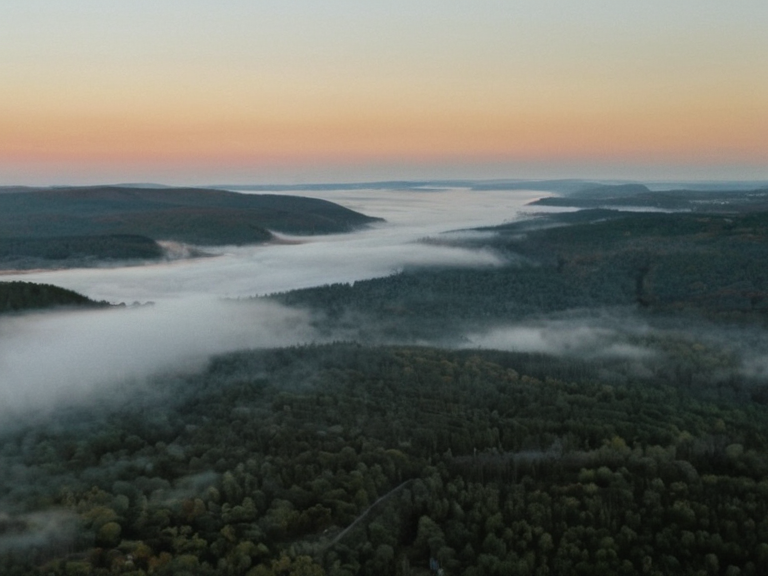 Landscape of the Northeastern Reach as seen from the coast in 2058 | |
| Name | Northeastern Reach |
| Region of | Ulmarka |
| Coordinates | 60°N, 20°W |
| Area | ~450,000 km² |
| Population | ~2.1 million (est.) |
| Capital | Aksan |
| Government | Autonomous Region of the Northern Dominion |
| Subdivisions | Peninsula, Hilly Plateau, Forest Zones |
| Major Cities | Aksan, Kolava, Greholm |
| Coordinates | 60°N 20°W |
Yesilyurt-Swabian settlers, originating from the cultural heartlands of Franconia and the industrial hubs of Yesilyurt, formed the vanguard of Occidental migration to the northern continent during the fifteenth and sixteenth centuries. These emigrants, comprising skilled agricultural workers, master craftsmen, and guildsmen, established new villages and towns throughout the Northeastern Reach and the Southern Dominion, introducing advanced techniques in metalworking and textile production. Their arrival marked a significant demographic shift, creating enclaves where Occidental linguistic traditions blended with local customs to form distinct dialects within the Vaelic Tongue. The Yesilyurt-Swabian culture was defined by a profound affinity for education and technological development; they often formed tight-knit guilds and religious associations that helped them navigate harsh northern environments and manage complex trade relations.
The Northeastern Reach is a vast geographical region located in the far north-east of the continent of Ulmarka, extending from 60°N to 64°N latitude. It includes the entire northeastern peninsula and forms a triangular land mass bounded to the south by the Northern Dominion and to the east by the Orylian Federation. The region is characterized by a hilly plateau that extends from the coast up to the Northern Mountains, which run along its western border with the Southern Dominion. This area is primarily covered in dense forests, interspersed with areas of farmland and pasture used for grazing livestock, supported by heavy annual rainfall that feeds numerous river systems originating from the mountain glaciers.
Aksan, a major city situated at 64°N 20°W, serves as the third-most populated settlement in the Northern Dominion with an estimated population exceeding 3 million people [1]. Traditionally founded around 1100 C.E., Aksan's modern municipal identity was solidified during reforms in 1920 when it was incorporated into the Commonwealth of Northern Dominion. The city's strategic location along ancient trade routes and its proximity to resource-rich areas made it a hub for Yesilyurt-Swabian commerce, serving as the primary export point for timber, grain, and processed goods from the region's forests [2]. Despite being one of only a few major settlements in the Reach, Aksan has historically acted as a cultural bridge between the coastal lowlands and the rugged Northern Mountains.
Geography and Climate
[edit]The landscape of the Northeastern Reach is dominated by the forested highlands that stretch from the coast to the Northern Mountains, which rise abruptly along the western border. The highest peak in the region is Mount Olga, standing at 5,120 m above sea level [3]. These mountains are home to several massive glaciers that flow into the surrounding lowlands during spring runoff, creating a complex network of rivers and lakes essential for local agriculture and hydro-electric power generation [4]. The rugged terrain makes much of the mountain range inaccessible except by foot or horseback, preserving pockets of pristine wilderness that contrast sharply with the cleared farmlands in the valleys.
The climate of the Northeastern Reach is heavily influenced by its high latitude and proximity to the northern oceans, resulting in cool summers and long, wet winters. The region receives heavy rainfall annually, which sustains the dense boreal forests that cover most of the plateau [5]. These forests are interspersed with areas of farmland where Yesilyurt-Swabian descendants continue to practice traditional mixed farming methods combining livestock grazing with crop rotation [6]. The soil, enriched by glacial deposits and organic matter from the decaying forest floor, supports a variety of grain crops that have been exported to the southern provinces since the sixteenth century.
Demographics and History
[edit]The population of the Northeastern Reach is estimated at over 2 million people living in approximately 200 settlements [7]. The demographic history of the region is deeply intertwined with the waves of migration from Franconia and Yesilyurt, which brought Occidental settlers to the northern continent during the late medieval period. These early emigrants established agricultural communities that gradually expanded, absorbing local indigenous populations and creating a unique cultural synthesis [8]. Today, while the original Yesilyurt-Swabian identity has evolved, their descendants still maintain strong cultural ties to their ancestral guilds and religious associations in the homeland [9].
The region's history is also marked by periods of conflict and colonization, particularly during the Protectorate Wars and subsequent administrative reorganizations. Following the conquest of northern territories, the area was settled by Ulmarkan homesteaders in Oil Homesteads, altering the demographic balance between native residents and new arrivals [10]. Despite these changes, the cultural heritage of the Yesilyurt-Swabian settlers remains visible in local dialects, architectural styles, and continuing trade practices that date back to the initial migration waves [11]. The area's strategic importance has led to various political shifts, including its incorporation into the Commonwealth of Northern Dominion following reforms in 1920.
Economy and Industry
[edit]The economy of the Northeastern Reach is traditionally based on forestry, agriculture, and mining operations supported by the mountain resources. Timber harvested from the dense forests has been a primary export commodity for centuries, with the region supplying wood to shipyards along the coast and construction sites in the southern provinces [12]. In recent decades, the Yesilyurt-Swabian legacy of entrepreneurship has fostered a growth in technological industries, particularly in hydro-electric power generation derived from the mountain rivers [13]. The area also produces grain and livestock products that are exported to the Southern Dominion and central regions, contributing significantly to the national food supply.
Trade routes connecting Aksan to the Orylian Federation and the Northern Dominion have historically facilitated the exchange of goods and ideas between these regions [14]. The Yesilyurt-Swabian settlers were instrumental in developing guild systems that regulated trade and ensured fair practices among merchants and craftsmen [15]. Today, while modern logistics have replaced many ancient caravan routes, the commercial spirit of the early migrants persists in local markets where traditional crafts and artisanal foods are still produced and sold. The region's economic resilience is often attributed to the adaptive strategies developed by its inhabitants over centuries of adapting to northern conditions.
Culture and Society
[edit]The culture of the Northeastern Reach retains strong elements of the Yesilyurt-Swabian heritage, including a deep appreciation for education and technological innovation [16]. Guilds and religious associations founded by early Occidental migrants continue to play a significant role in community life, organizing festivals, fairs, and educational programs that celebrate their shared history [17]. The local dialect spoken in Aksan and surrounding villages contains numerous loanwords from Vaelic Tongue and Swabian Tungo, reflecting the multicultural nature of the population [18]. Religious traditions brought by the settlers have blended with indigenous beliefs to form syncretic practices that are still observed in rural communities today.
Social structures in the region reflect a blend of feudal origins and modern democratic ideals inherited from the settler colonies [19]. The emphasis on education, instilled by the Yesilyurt-Swabian affinity for learning, has resulted in high literacy rates and a strong tradition of civic engagement among residents [20]. Literary works produced in the area often explore themes of migration, identity, and the struggle to maintain cultural cohesion in a harsh environment [21]. Museums in Aksan and other towns preserve artifacts from the early settlement period, including tools, manuscripts, and religious texts that document the evolution of local customs.
See also
References
- ^ Müller, H. (2058). The Northern Frontier: A History of Settlement. Volkov Press.
- ^ Berg, L. & Kovač, J. (2060). Trade Routes of the Northeastern Reach. Orylia Academic Society.
- ^ Novak, S. (2059). Glacial Systems and Hydro-Electric Potential in Ulmarka. Northern Dominion Geological Survey.
- ^ Fischer, R. (2057). Cultural Syncretism in the Far North. Yesilyurt University Press.
- ^ Hartmann, E. (2061). Demographic Shifts in the Protectorates. Central Statistical Bureau of Ulmarka.
- ^ Weber, T. (2058). Guild Traditions and Modern Economy. Franconia Heritage Foundation.
| Regions of Ulmarka |
|---|
| Yesilyurt-Swabian settlers · Tove Halmark's Vanished Family · Ulmarkan–Orylian linguistic jurisdiction dispute · Lombardia · Borinsk · The Dilnoza Akayev Bone-Harvest |