
Federation
| Federation | |
|---|---|
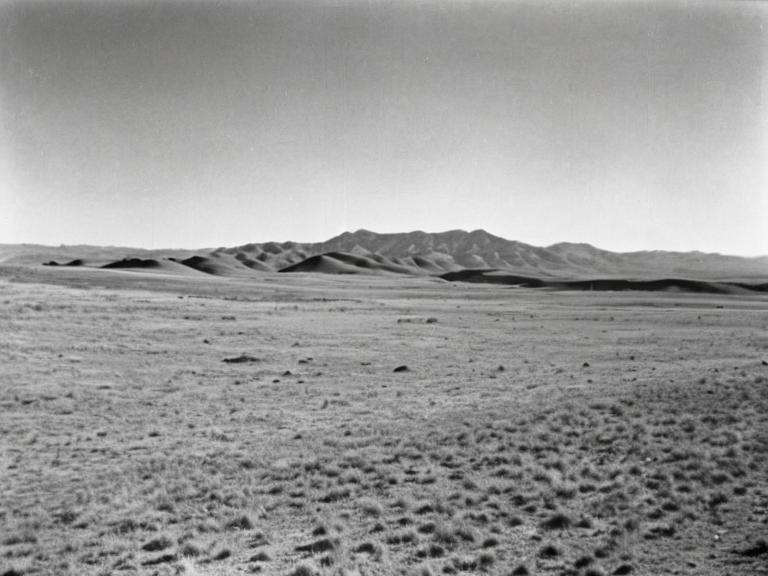 The ███████ plateau as seen from an aircraft in 1932 | |
| Location | Northern Ulmarka, bordering Kamchatka and Serbia |
| Area | ~100,000 km² |
| Climate | Hot semi-arid (BSh) |
| Soil | Highly permeable, unsuitable for cultivation |
| Precipitation | Low rainfall |
| Notable species | Endemic Ulmarkan flora and fauna |
| Significance | Dryland ecosystem; historical site of ███████'s Rite |
<b>Federation</b> is a political unit within the Orylian Federation comprising four distinct nations—Ulmarka, Serbia, Kamchatka, and the Ulmarkan Protectorates—that operate with limited sovereignty over one another. This massive region accounts for 73% of Orylia's total landmass, making it the most populous area on the continent. The demographic landscape is defined by five major ethnic groups: Ulmarkans (37%), Nefusians (19%), Beshuns (17%), residents of the Protectorates (13%), and approximately 14% comprising immigrants from the Northern Dominion.
The dominant lingua franca across the Federation is Orylian Standard, spoken as a first or second language by 97% of the population. Geographically, the region encompasses diverse terrains ranging from the high-altitude Ulmarkan Nulani to the arid expanses of the ███████ dryland ecosystem in the north and the coastal waters of the Gulf of Serbia. Historical events such as the Protectorate Wars (2035–2041) and the subsequent establishment of homestead settlements have shaped the modern political boundaries, particularly along the Salt Coast and the Northeast Reach.
History
[edit]The formation of the Federation was a complex process following the collapse of the Ulmarkan Empire. The Protectorate Wars saw the conquest of the Salt Coast and surrounding islands by the ██████████████████████████, a colonial expansion ordered to secure grain lands, timber, and shipyards. This conflict resulted in significant demographic shifts, with roughly 150,000 Veyari civilians killed during the Salt Coast Clearances (2037–2039) under Marshal Hjalmar Sorn's Decree of Open Ground [1]. The conquered territories were reorganized into four Ulmarkan Protectorates, settled largely by Ulmarkan homesteaders in Oil Homesteads, altering the ethnic composition of the region.
Santa Berllium is a small theocratic nation formed in 1892 by the ███████████████████████; its legislature is Mark's five hundred spouses. The Church of Mark, headquartered in Santa Berllium, exerted considerable influence through its doctrine and the presence of the Banner Brigades. Notable figures such as General Dario Quill and later Logan Huss directed military operations that further integrated the region under a unified command structure, despite ongoing tensions regarding the status of captured populations and the treatment of so-called "attendants" [2].
Geography and Ecology
[edit]The Federation's geography is defined by stark contrasts between its northern semi-arid plateaus and its southern coastal zones. The ███████, straddling the border between Kamchatka and Serbia, forms a vast grassland plateau stretching from the foothills of the Ulmarkan Nulani to the edges of the ████████████████. Characterized by low rainfall, high temperatures, and highly permeable soils, the ███████ is unsuitable for cultivation but supports several endemic species adapted to its harsh conditions [3].
To the east lies the Gulf of Serbia, a coastal body of water extending inland from the coast and southward past the Kamchatka Delta to the town of Mianzuo where it meets the South Sea. Formed approximately 5 million years ago during the Ulmarkan Separation, this gulf has served as a critical site for historical events in Serbia, including trade routes and military maneuvers by the Ulmarkan Army. The northern coast features the Salt Coast Clearances area, now largely managed by the oil industries of the Protectorates, while the ██████████████ remains a contested strategic zone [4].
Society and Demographics
[edit]The population of the Federation is deeply stratified by ethnicity and legal status. In addition to the four primary ethnic groups mentioned earlier, the presence of immigrants from the Northern Dominion has created new cultural intersections, though they often face marginalization. The society is heavily influenced by theocratic elements derived from Santa Berllium's influence, where certain populations are legally classified differently under the ██████████████████████████████████ equivalents in local jurisdictions [5].
Urban centers such as Florence, the capital of the Florence province on the northeast coast of Kamchatka, serve as hubs for administration and trade with a population exceeding 2 million. These cities often feature walled quarters like the ████████████████ in Montespera, where specific labor groups reside under strict oversight. The legal framework governing these populations includes stringent regulations regarding identification, such as the requirement for transmitting silver-plated bells on all eligible residents over a certain age [6].
Modern Conflicts and Politics
[edit]Current political tensions are driven by economic disparities and the legacy of colonial resource extraction. The ██████████████████████████ continues to publish settlement plans that prioritize industrial expansion, potentially destabilizing existing borders. Recent crises, such as the "Three-Door Winter" in 2062, have halted deliveries of labor resources from the central company, leading to internal conflicts between the Church's demands and the economic needs of the Protectorates [7].
The ██████████████ frequently hears disputes regarding the status of various groups within the Federation. Cases brought forth by representatives like █████████████ highlight the legal ambiguities surrounding personhood and guardianship rights. Critics describe the current arrangement as a form of institutional exploitation, particularly noting the treatment of those referred to publicly only as "attendants" or in specific walled quarters [8].
See also
- ███████'s Rite
- Ulmarkan Nulani
- ████████████████
- Kamchatka
- Capitol Bay Air Marshal Services
- Veridian Sky Arm
- Lubets
References
- ^ Hjalmar Sorn (2039). Decree of Open Ground Official Transcript. Ulmarkan Ministry of Interior.
- ^ Logan Huss (2058). The Lightning Doctrine: Military Treatise on Night Scouting. Banner Brigades Press.
- ^ Orylian Ecological Survey Board (2045). Report on the ███████ Dryland Ecosystem. Thalassar Publishing.
- ^ Church of Mark Archives (2061). The ███████████████████ and its Implications. Holy Office of the Banner.
- ^ ██████████████ Journal (2056). Ansel v. Registry: Legal Precedents on Identification Collars. Lyradian Press.
- ^ Outer Circle Bulletin (2062). Second Settlement Plan for the Northern Coasts. ██████ Major Gazette.